
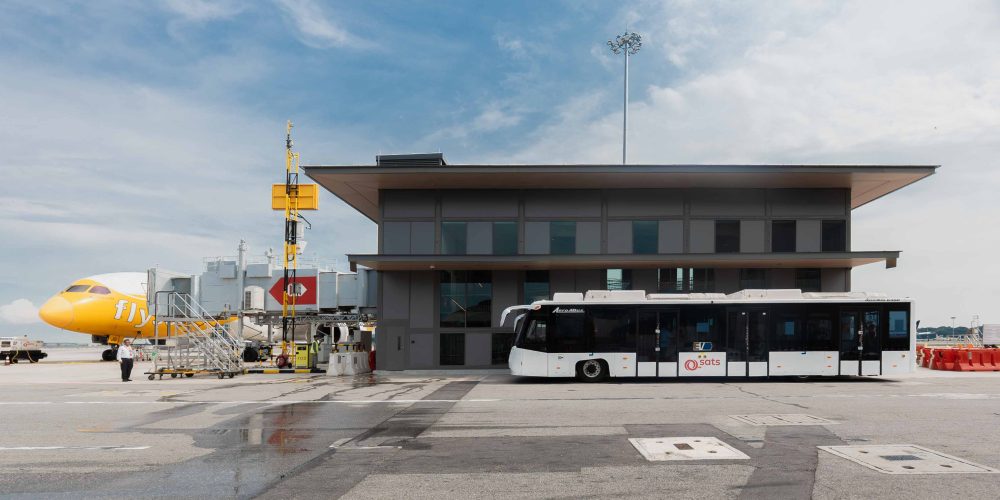

Passengers flying from Changi Airport may soon enjoy a more comfortable boarding experience, even when their aircraft is parked at a remote stand.
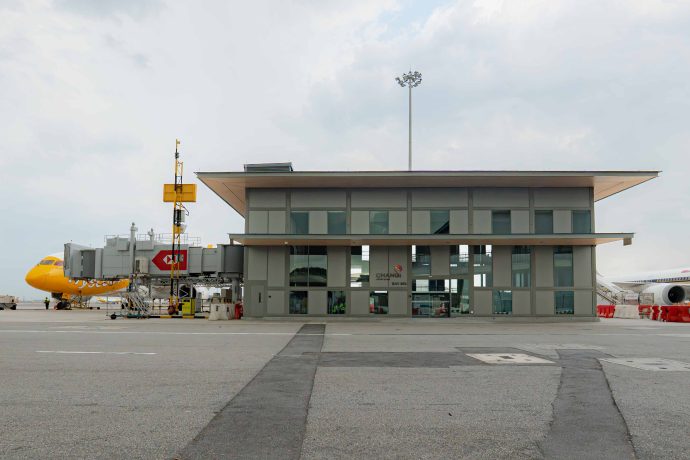
Changi Airport Group (CAG) has completed its first satellite gate, a standalone remote boarding and disembarkation facility that will begin handling selected passenger flights from August 2026. The facility is designed to make remote aircraft operations more seamless while improving comfort for both travellers and airport staff.
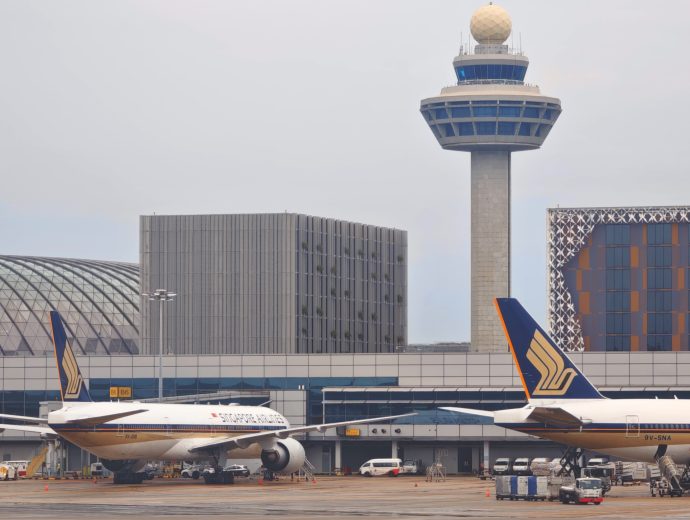
Currently, about 98% of passenger flights at Changi Airport use contact gates with aerobridges. The remaining flights operate from remote aircraft stands, where passengers are transported by bus between the terminal and the aircraft. The new satellite gate extends the convenience of aerobridges to these remote flights.
Designed for Comfort and Accessibility
The 200 square metre satellite gate, roughly the size of a tennis court, supports both narrow body and wide body aircraft.
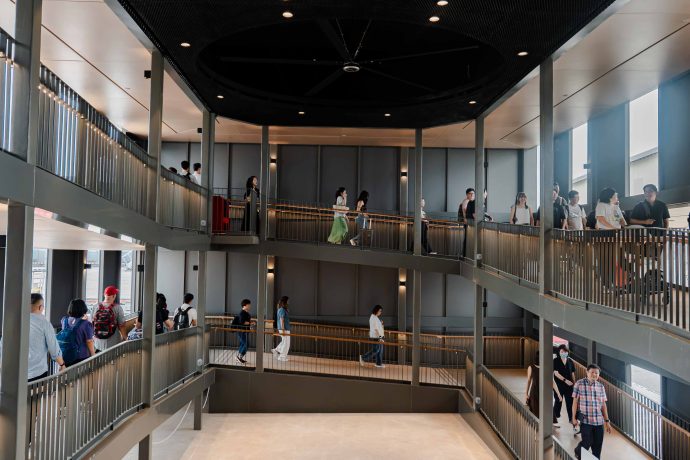
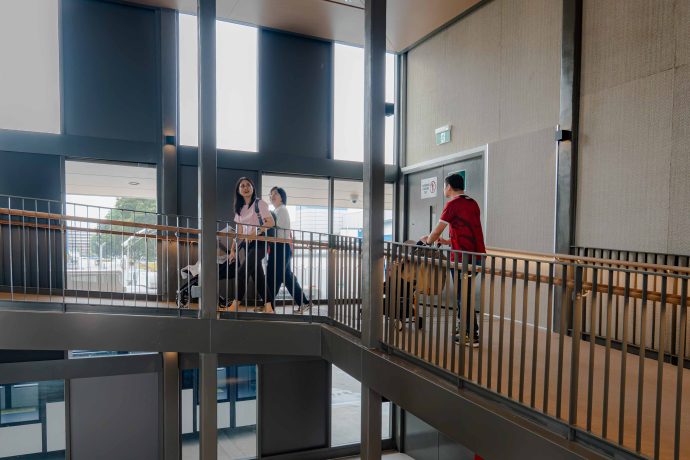
Passengers will board buses from the terminal as usual. Instead of boarding the aircraft directly from the apron, buses will stop at the air-conditioned satellite gate. Travellers then walk through the building before accessing the aircraft via one of two aerobridges.
The facility also includes a gently sloping 60 metre ramp, making it easier for wheelchair users, seniors, families with strollers, children and travellers with wheeled cabin luggage.
Passengers arriving on remote flights will follow the same sheltered route before boarding buses back to the terminal.
Built with Sustainability in Mind
The satellite gate is designed as a zero energy facility.
Rooftop solar panels generate all the electricity required to operate the building. The energy is stored in an off grid battery system, reducing reliance on the airport’s main power supply.
The building also incorporates smart technology. Air conditioning automatically activates based on flight schedules, while electrical faults are transmitted wirelessly to maintenance teams for faster response.
Supporting Changi’s Future Growth
Since May 2026, more than 500 airport staff have undergone training and operational exercises to prepare for the launch.
According to Changi Airport Group, the selected flights operating through the satellite gate in the coming weeks will allow it to evaluate the complete passenger journey, including bus transfers, aerobridge boarding, accessibility features and ground handling processes.
The experience gained will help determine whether more satellite gates should be built as passenger traffic continues to grow ahead of the opening of Terminal 5 in the mid 2030s.
Key Features
| Feature | Details |
|---|---|
| Opening | Selected flights from August 2026 |
| Purpose | Remote flight boarding and disembarkation |
| Size | 200 square metres |
| Aircraft Supported | Narrow body and wide body |
| Aerobridges | Two |
| Accessibility | 60 metre gentle ramp, wheelchair and stroller friendly |
| Passenger Comfort | Fully sheltered and air conditioned |
| Sustainability | Zero energy building powered by rooftop solar panels |
| Smart Features | Flight activated air conditioning and wireless fault monitoring |