
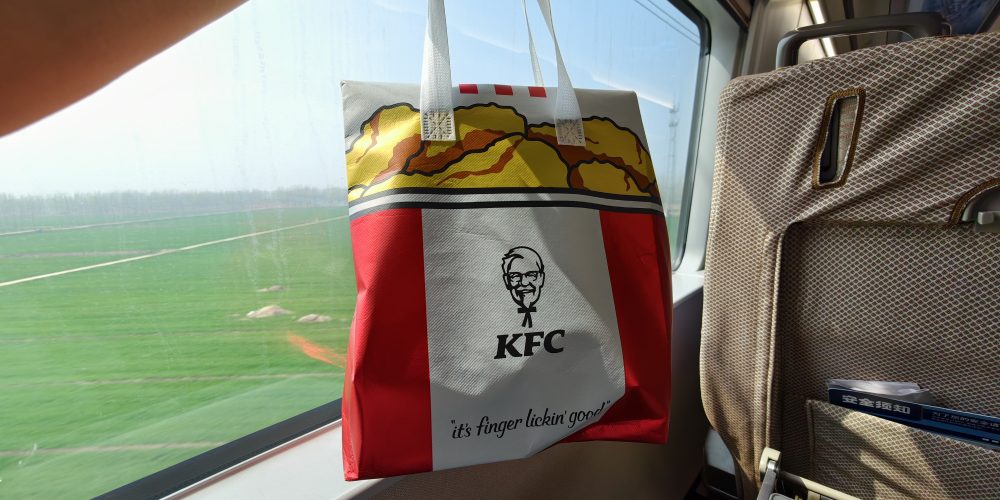


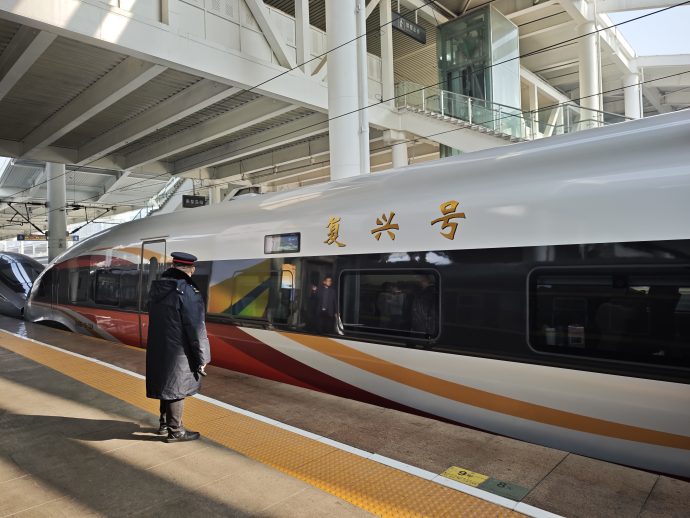
A recent Instagram Reel I posted showing food delivery onboard a China high-speed train from Shanghai to Qinghuangdao surpassed 2 million views. Many viewers outside Asia were surprised such a system already exists.
But in China, this is simply part of everyday travel. China operates the world’s second-largest high-speed rail network, covering tens of thousands of kilometres across the country. Many travellers now view the train system as a preferred alternative to domestic flights for medium-distance journeys.
Ordering Food Delivery on board high-speed rail in China
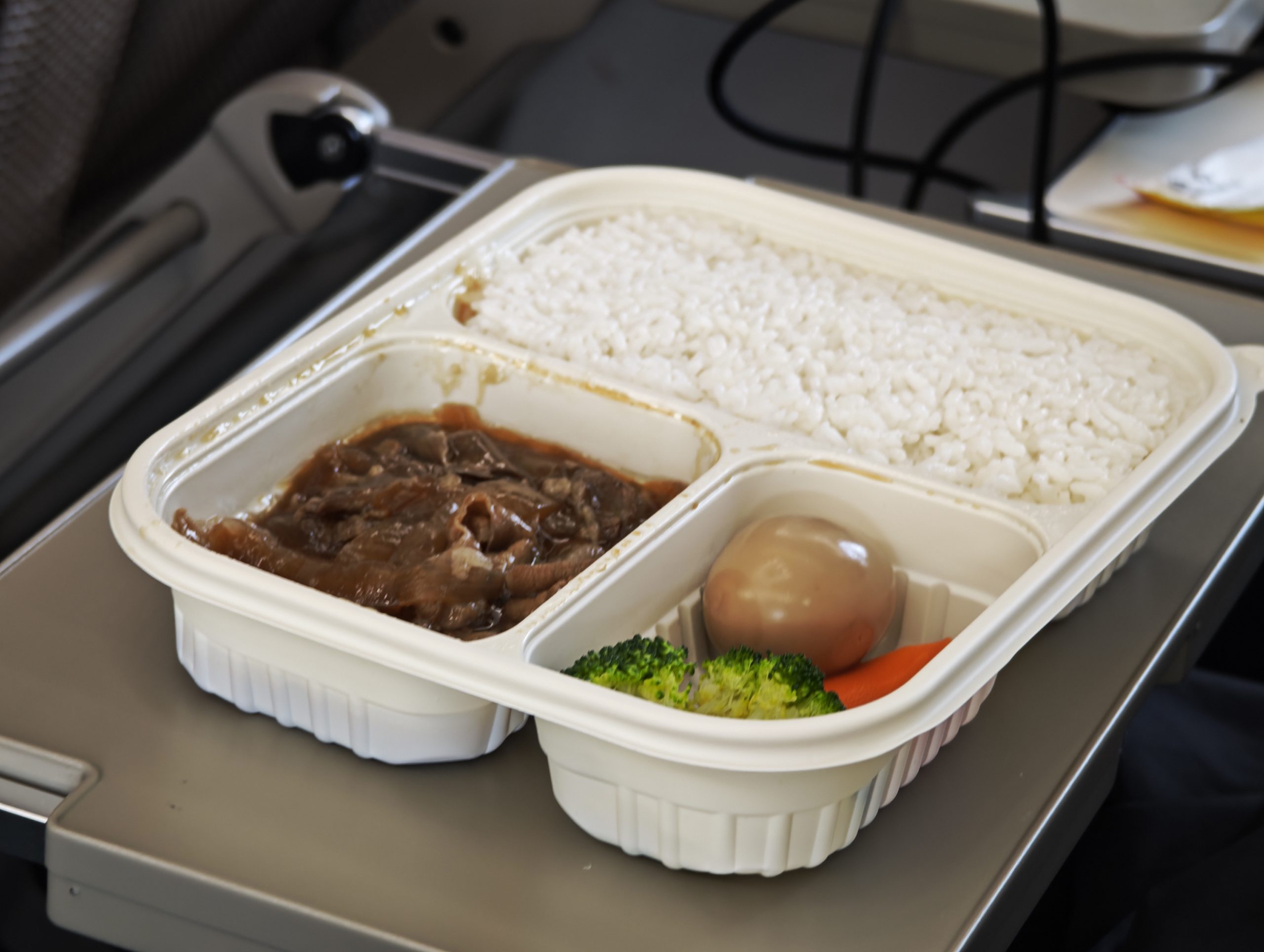
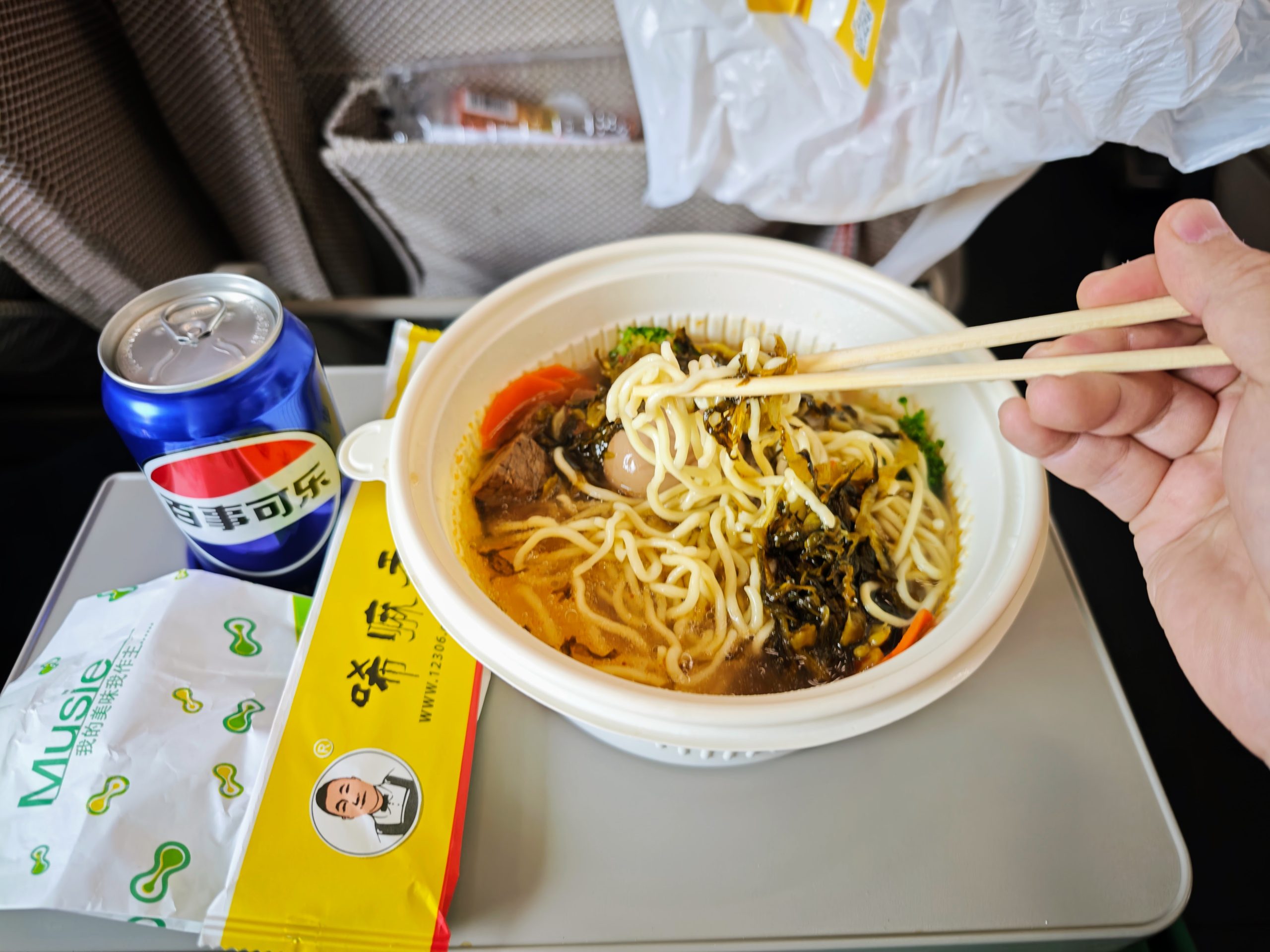
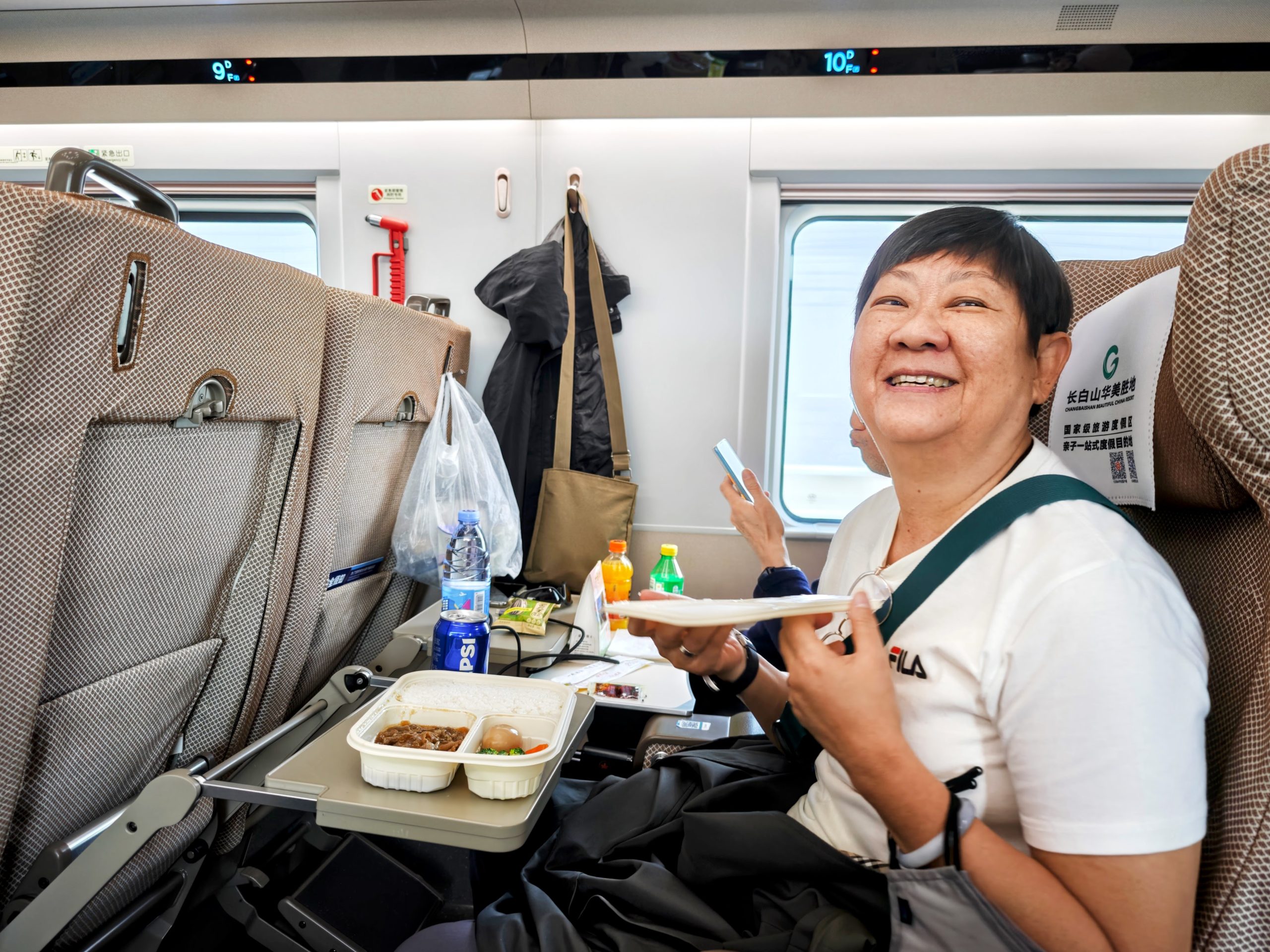
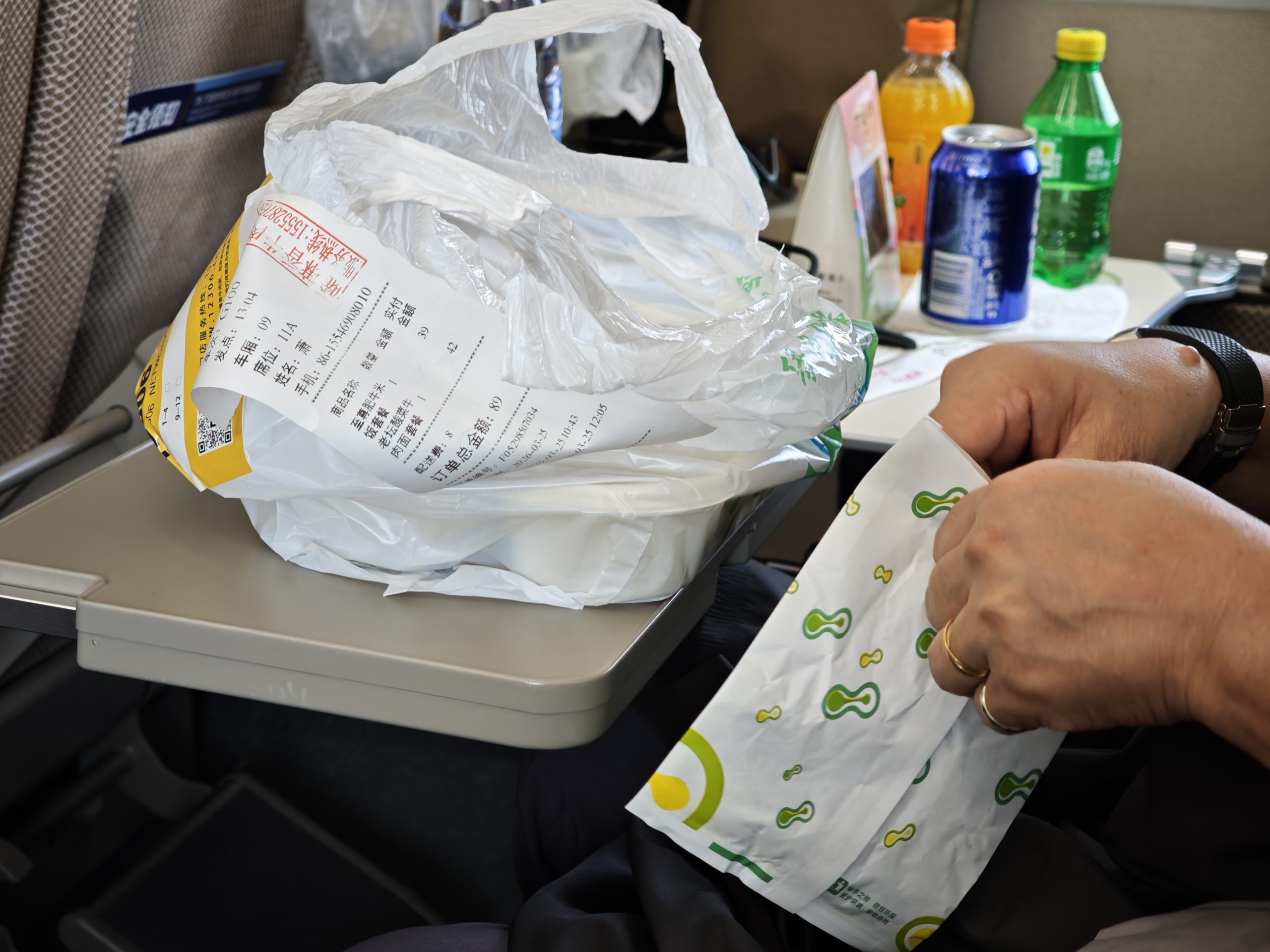
During my five-hour journey, I ordered KFC and other hot dishes directly to my seat on board the high-speed rail network. And the process took less than a few minutes.
Depending on the route and station, passengers may find local restaurant meals, rice bowls, noodles, coffee chains, snacks and fast-food brands available for delivery on board.
The onboard food delivery system is intergrated with China Railway’s ticketing and passenger ecosystem, allowing station vendors and train schedules to coordinate deliveries efficiently during short station stops.
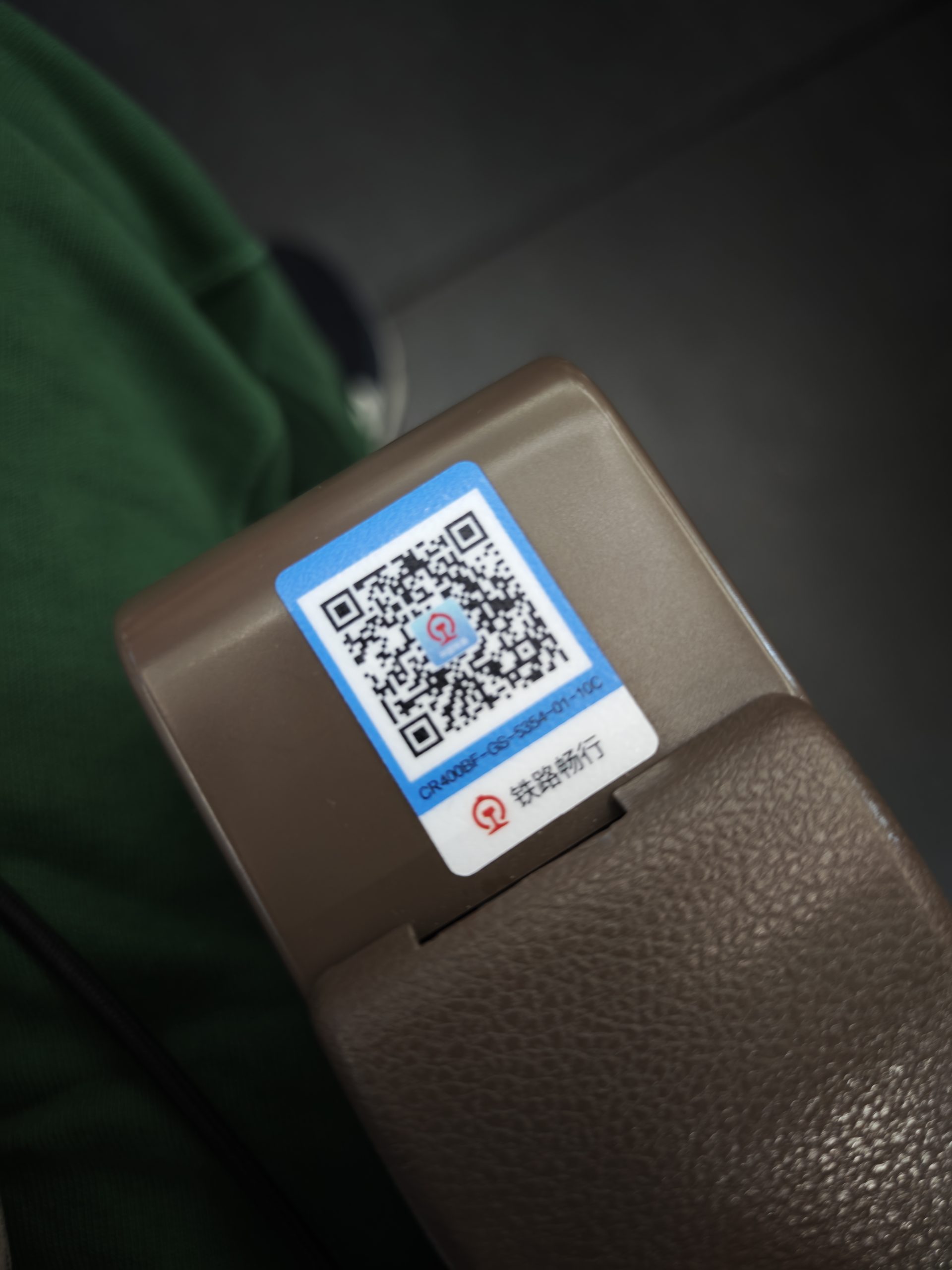
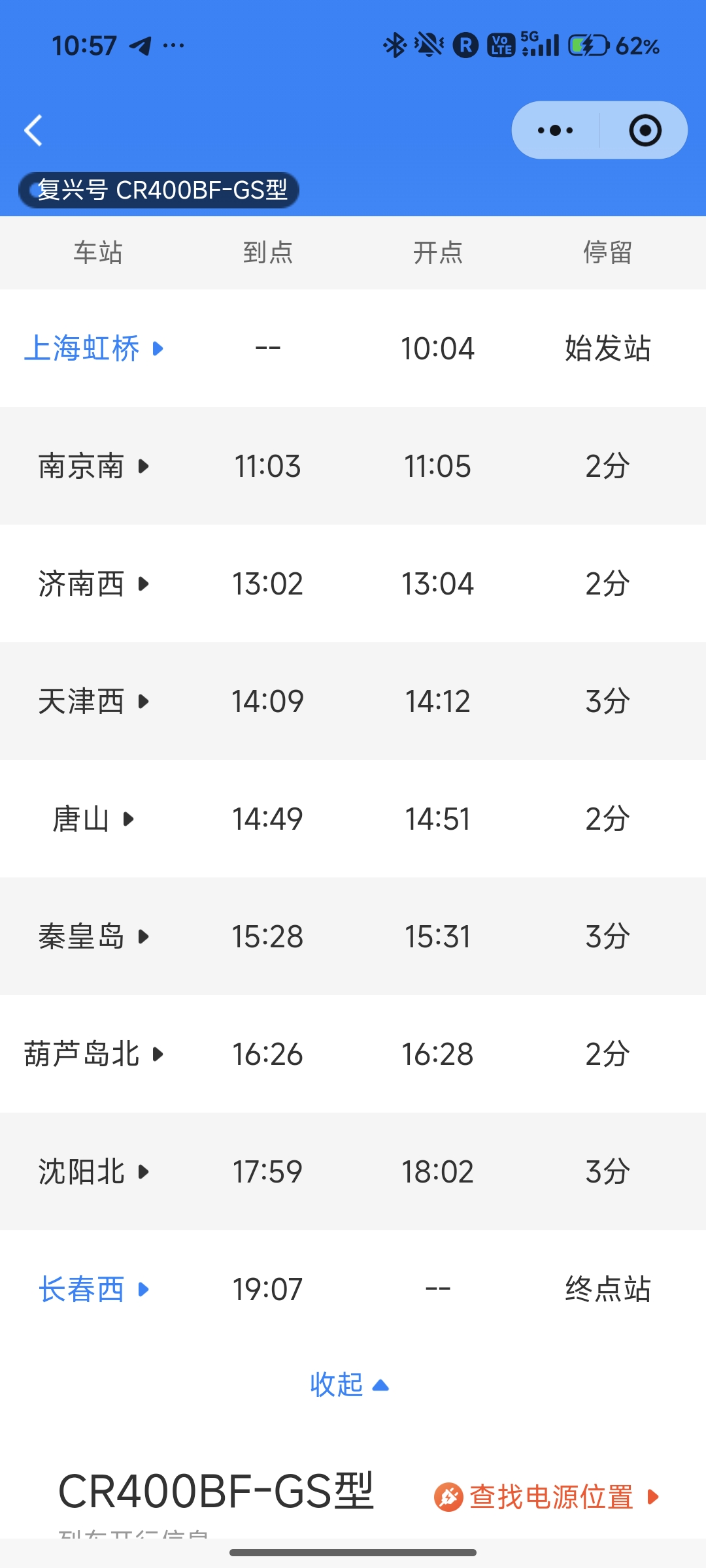
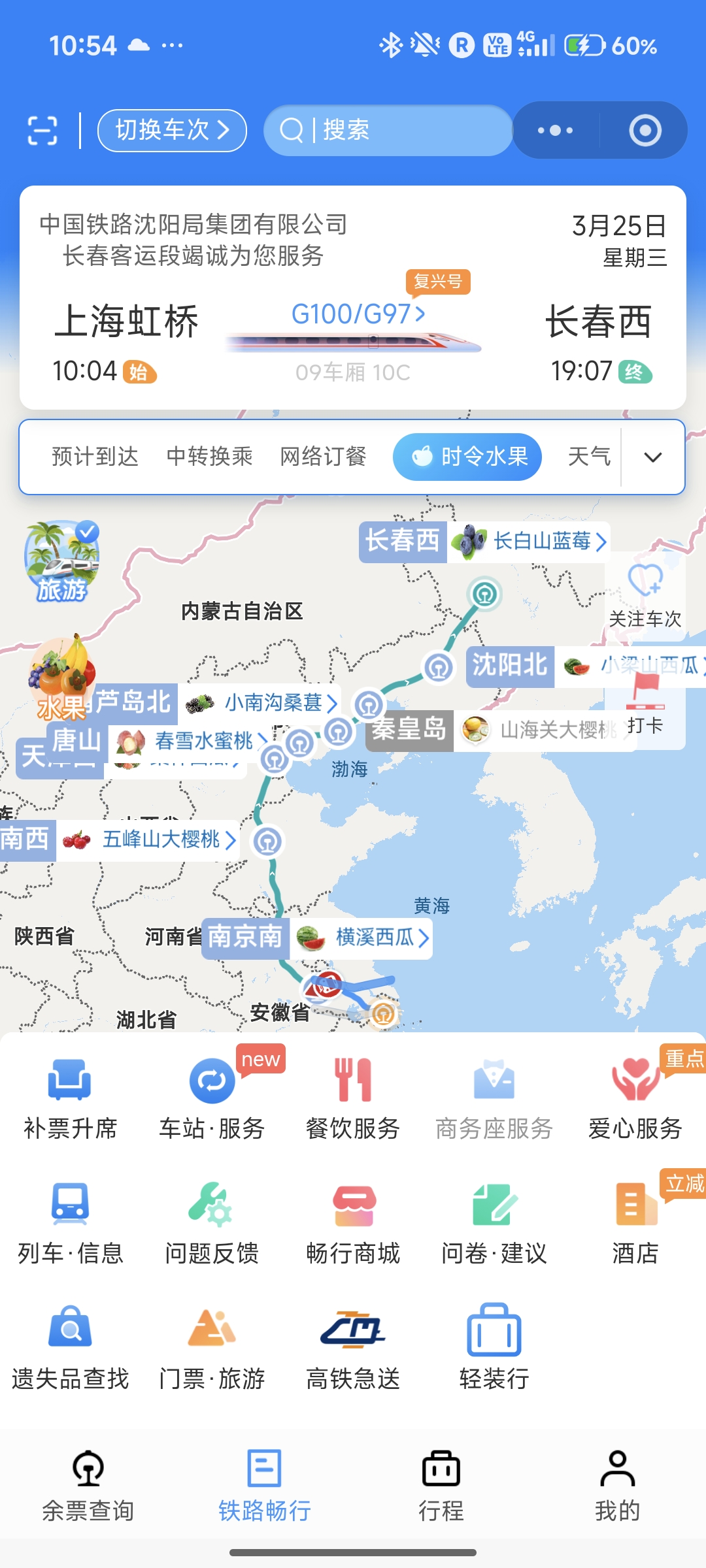
Passengers can scan the unique QR code located at their seat using WeChat or Alipay. The mini programme automatically fills in the train number and seat details. From there, passengers can browse food options available at upcoming stations, select meals from participating restaurants, place orders before the station-specific cut-off time, and pay directly within the app.
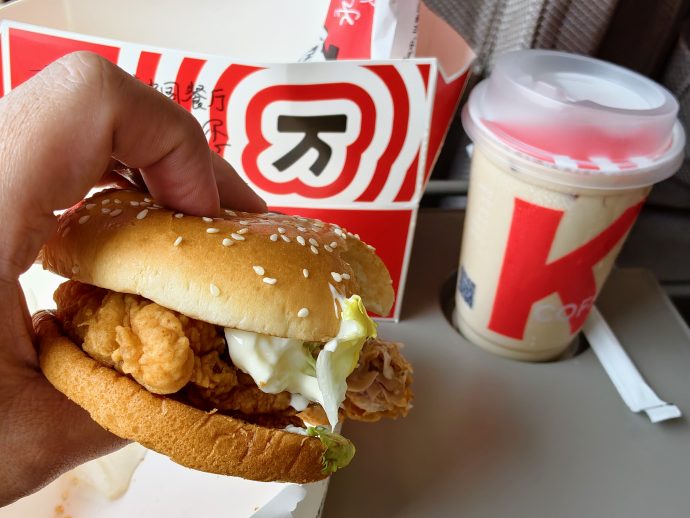
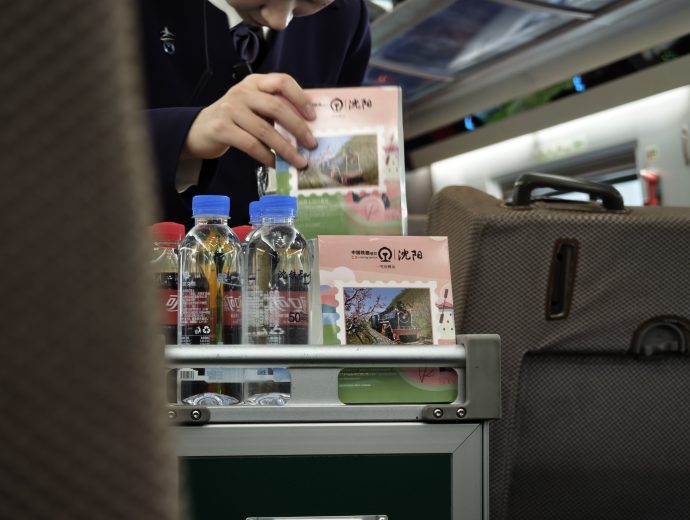
When the train arrives at the selected station, the food is loaded on board. Despite some station stops lasting only a few minutes, meals are loaded and distributed efficiently without delaying departures. After departure, the train crew distributes the order directly to the passengers at their seats. My KFC meal arrived warm and still crispy.
Tips Before Ordering Food On China High-Speed Rail
- Install WeChat or Alipay beforehand
- Some services may require a linked payment method
- Order early as certain meals sell out
- Watch the station-specific cut-off timings carefully
- Availability varies by route and station
Why The Internet Was Surprised

Many comments from viewers in Europe and North America indicated surprise at how integrated the system is. The reaction was less about fried chicken on a train and more about how seamlessly China integrates mobile payments, logistics, railway operations, and QR-based digital services into a single passenger experience.
In many countries, train food is still limited to pantry cars, vending machines, or station kiosks during transfers. China’s system removes the need for passengers to leave the train platform to buy meals.
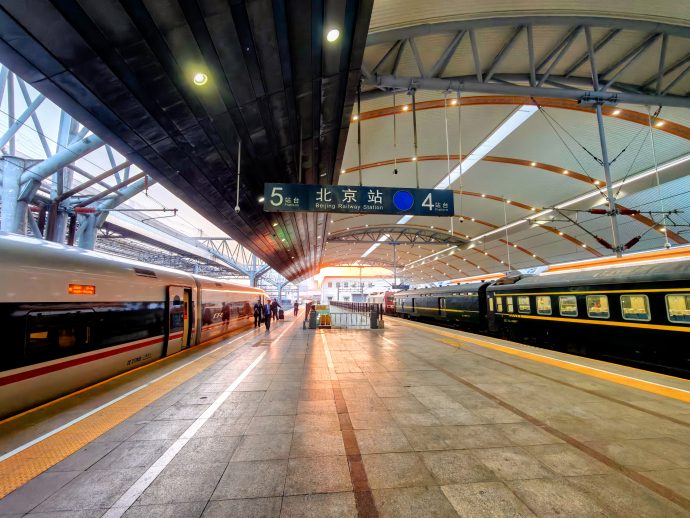
China operates one of the world’s largest high-speed rail networks, with digital services deeply integrated into daily travel. Ordering meals on board is one example of how QR codes and mobile payment ecosystems are embedded in transport infrastructure.
For first-time visitors to China, this is one of those small but memorable experiences that quickly shows how connected the country’s digital ecosystem has become.