


Buying organic vegetables is easy. Understanding what goes into growing them is another matter entirely.
I admit I rarely give much thought to the vegetables in my shopping basket. They appear neatly packed on supermarket shelves, ready to wash, cook and eat. But a recent visit to farms working with ZENXIN Organic in Cameron Highlands gave me a very different perspective on what happens before those vegetables reach Singapore.
Over two days in the cool Malaysian highlands, we walked through growing plots, met farmers and learnt about crop rotation, pests, organic certification and traceability. More importantly, I finally understood some of the reasons organic vegetables often command a higher price.
Not every seed becomes a vegetable that you eventually get to eat.
A Much Bigger Organic Network Than I Expected
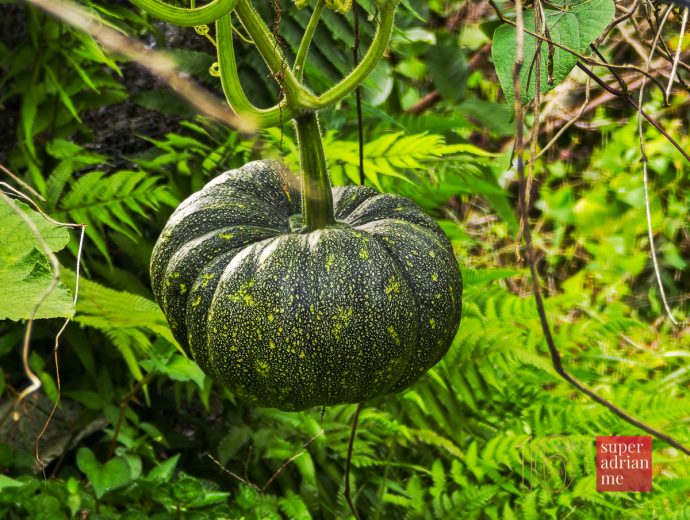
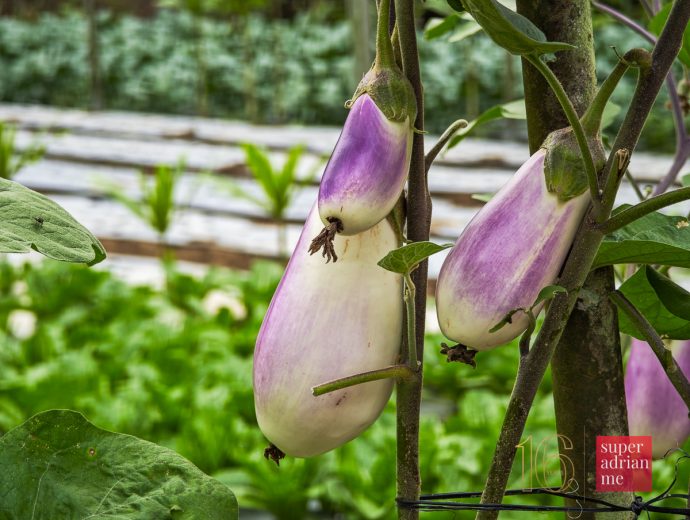
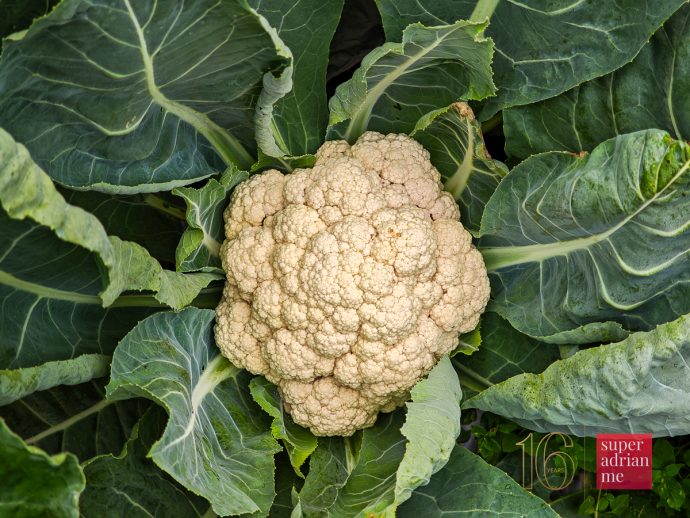
ZENXIN’s operation extends well beyond Cameron Highlands.
The company says its organic network comprises its own farms as well as around 30 certified contract growers across Malaysia. Its official materials list fully owned farms in Johor and Kelantan, while its grower network extends into other agricultural areas, including Cameron Highlands. ZENXIN says its farms, contract growers, packing facilities and organic input operations have undergone organic certification. The company’s supply chain extends considerably further afield.
During our visit, we were told that ZENXIN sources organic fruit and vegetables from around 20 to 30 countries to maintain supplies for its Singapore and Malaysian markets. Produce can arrive from Europe, Australia and the United States, among other regions.
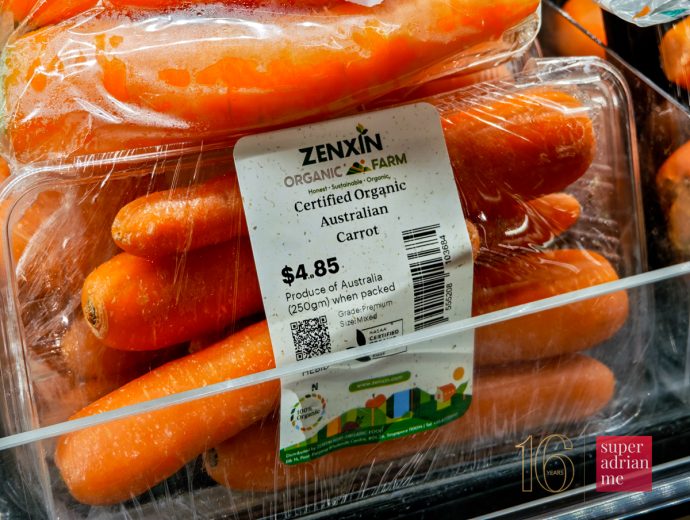
Its official website confirms that it supplements Malaysian-grown produce with certified organic imports including apples, blueberries, broccoli, celery, carrots, garlic, pumpkins, ginger and beetroot. Imported produce is sourced from certified suppliers with documentation intended to preserve the organic chain of custody.
We were told that some European shipments arrive several times a week, illustrating just how international the supply chain behind a supermarket vegetable aisle can be.
ZENXIN Goes Beyond Fresh Produce
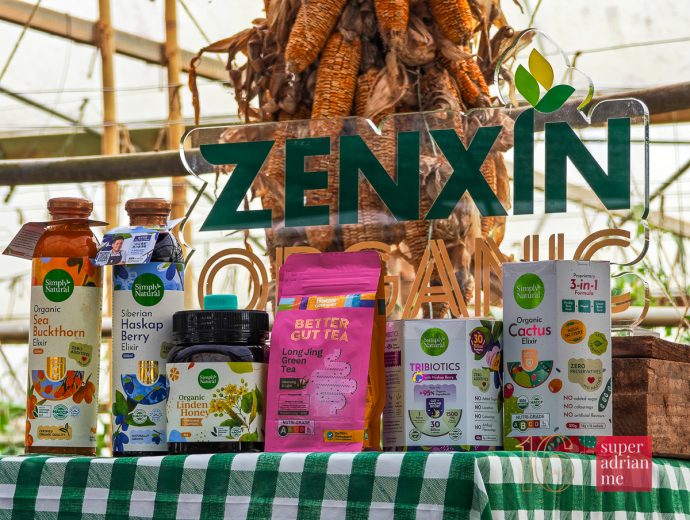
Vegetables and fruit may be what ZENXIN is best known for, but its retail range extends well beyond the fresh produce aisle. Its Singapore store carries hundreds of products across categories including beverages, grains and dried goods, cooking essentials, dairy and eggs, frozen foods, snacks and gardening products.
Its Simply Natural range is particularly extensive, with organic pantry staples such as rice, quinoa, noodles, seeds, dried fruit and teas alongside more specialised products including Sea Buckthorn Elixir, Cactus Elixir, organic ginger extract, barley grass products, fibre drinks and psyllium husk. The Sea Buckthorn Elixir caught my eye. It is made from 100% organic sea buckthorn berries using not-from-concentrate juicing and contains vitamin C and omega 3, 6, 7 and 9 fatty acids.
Seeing this broader range puts the farms into context: fresh vegetables are one part of a much larger business built around organic and health-focused food products.
Going to the Source in Cameron Highlands
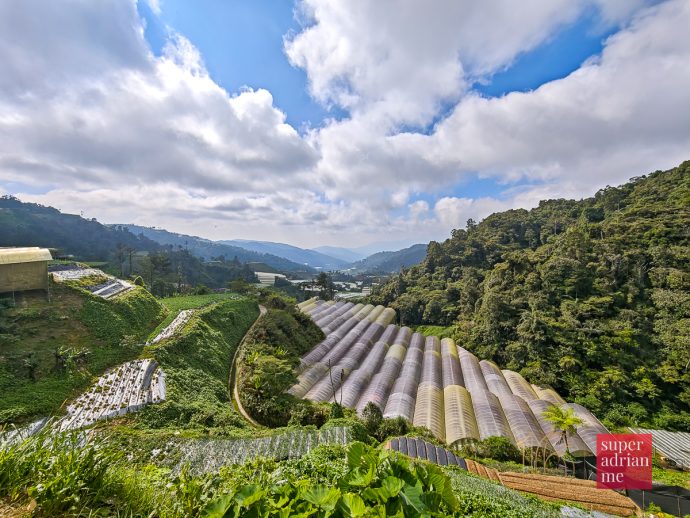
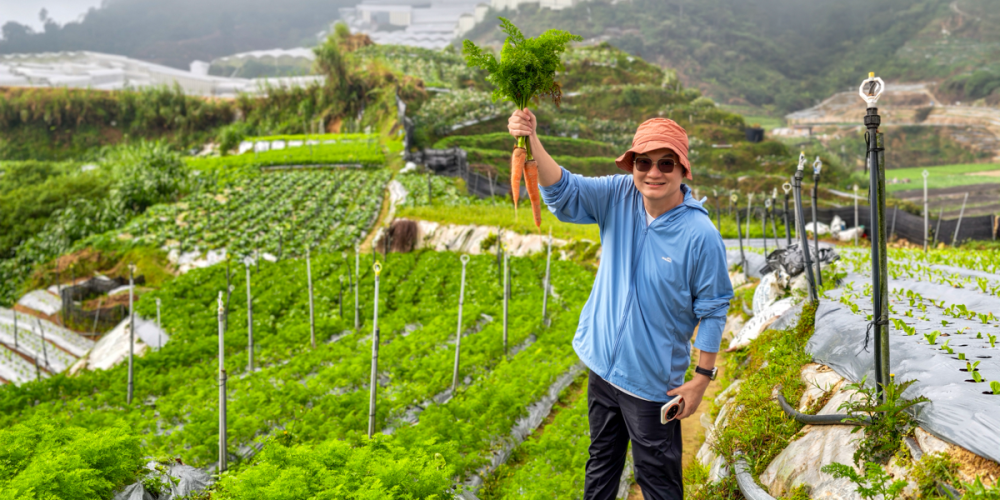
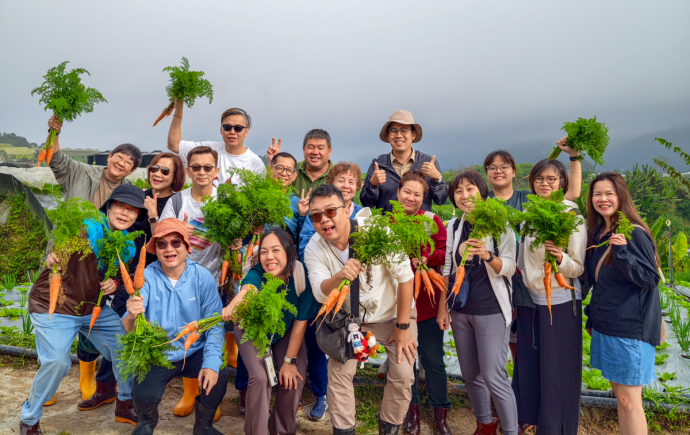
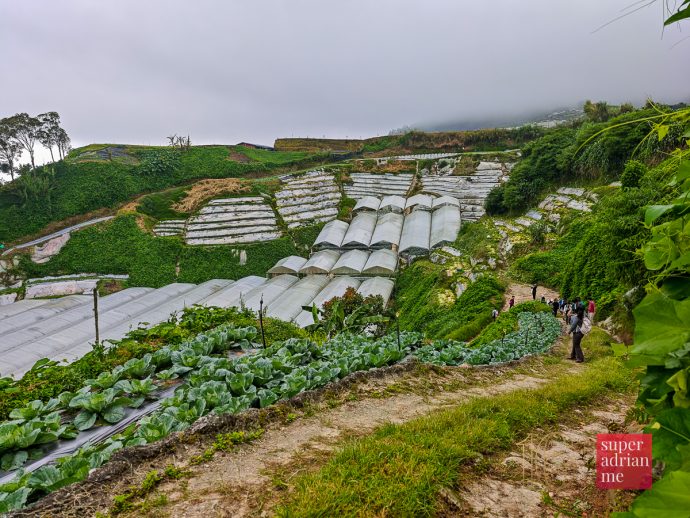
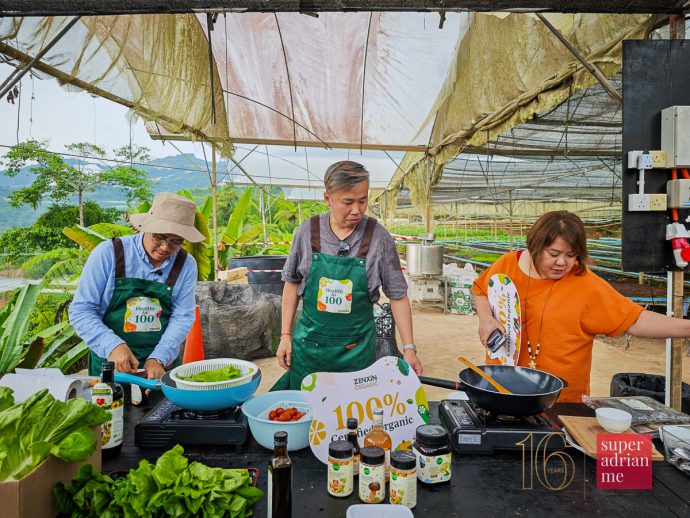
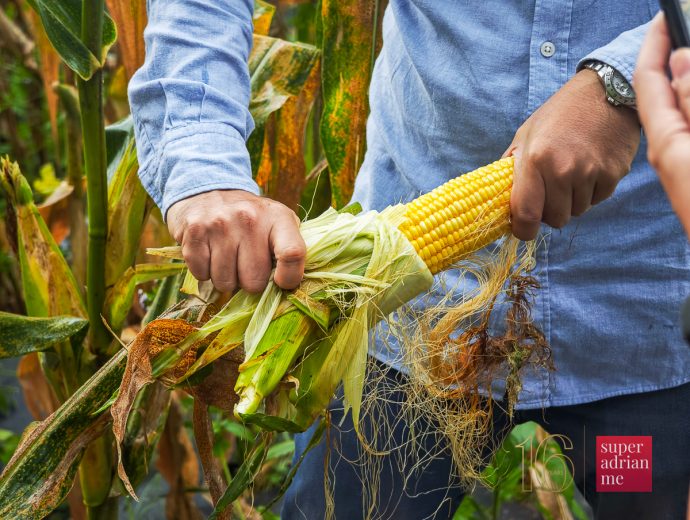
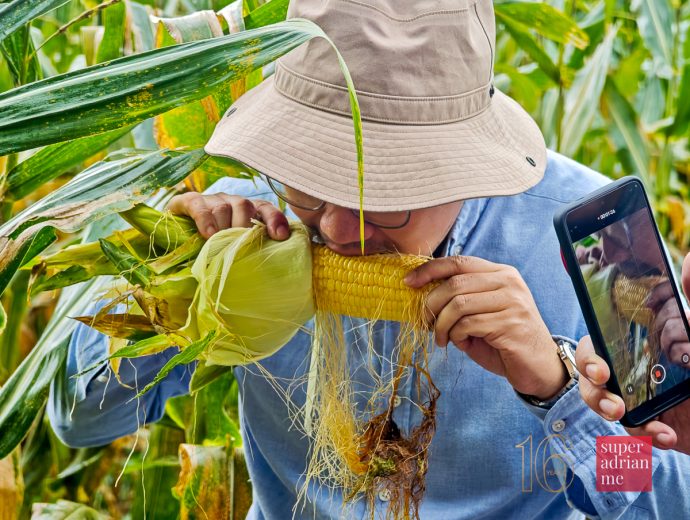
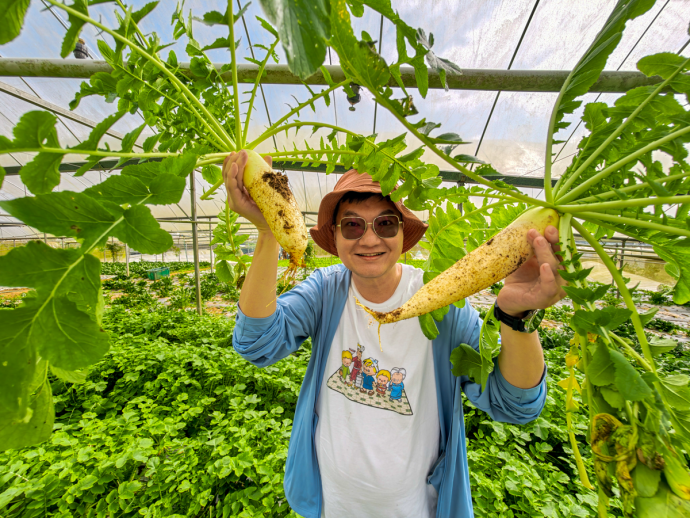
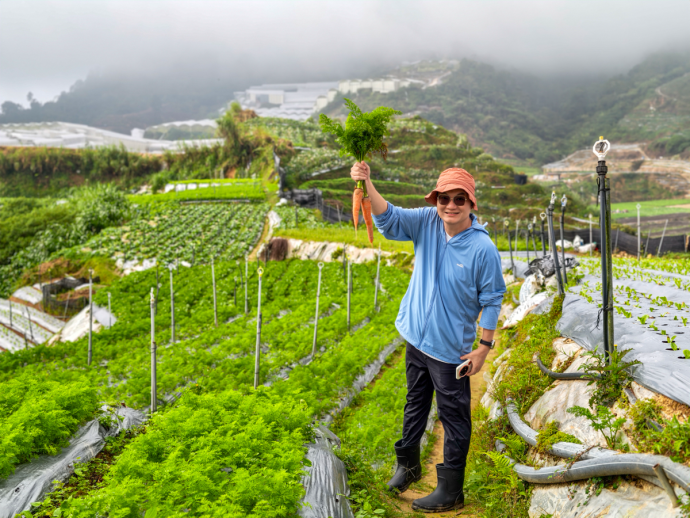
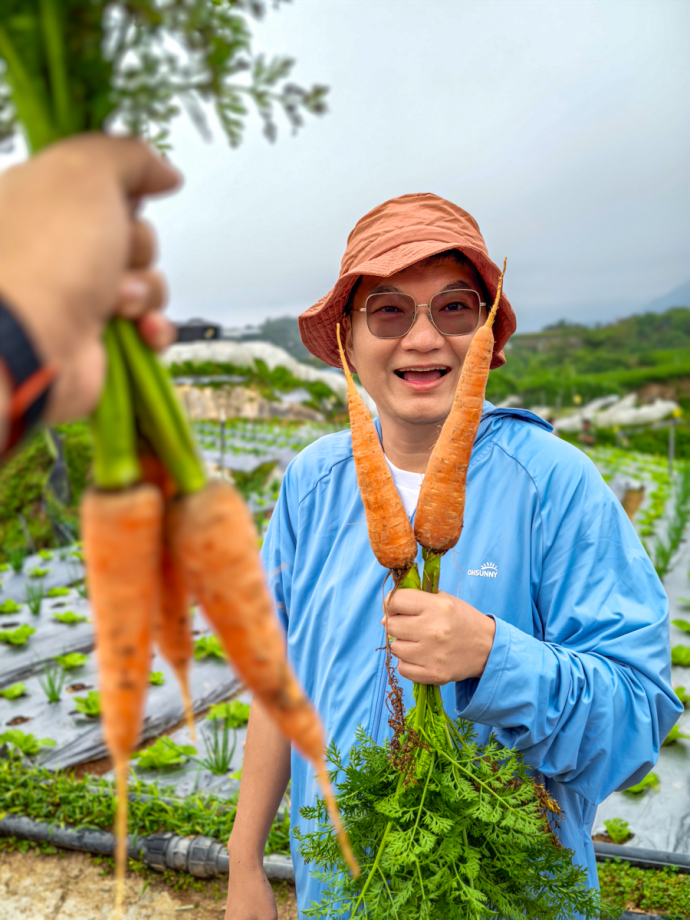
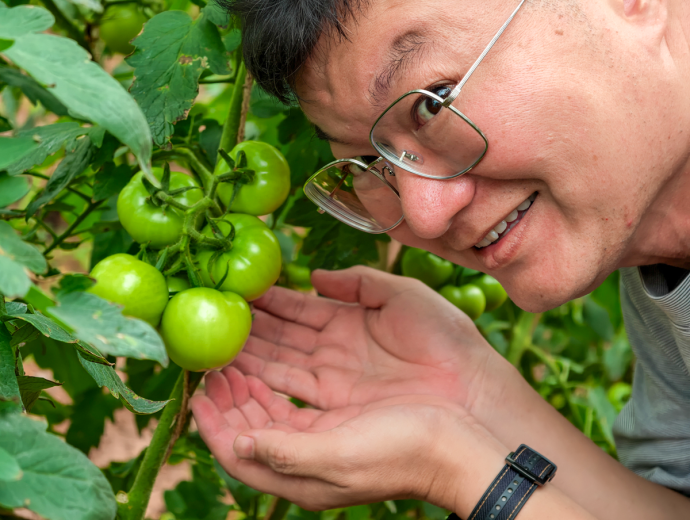
Our July trip with ZENXIN Organic and Si Chuan Dou Hua was an education tour in where our food comes from. There is something very different about seeing vegetables growing in the cool air of Cameron Highlands rather than encountering them trimmed and wrapped in plastic.
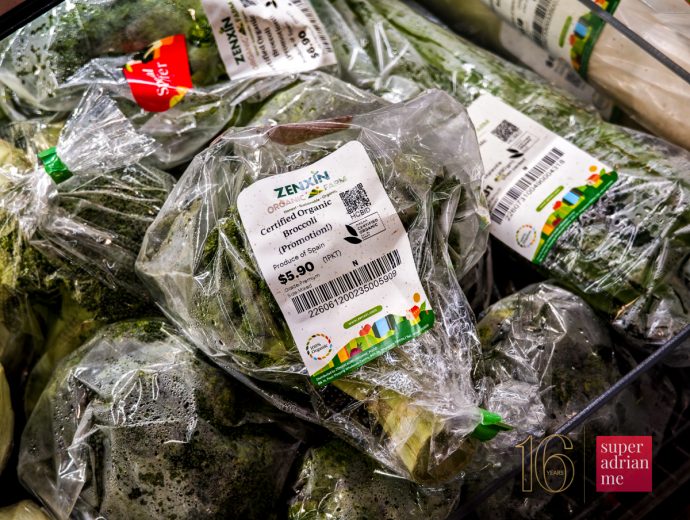
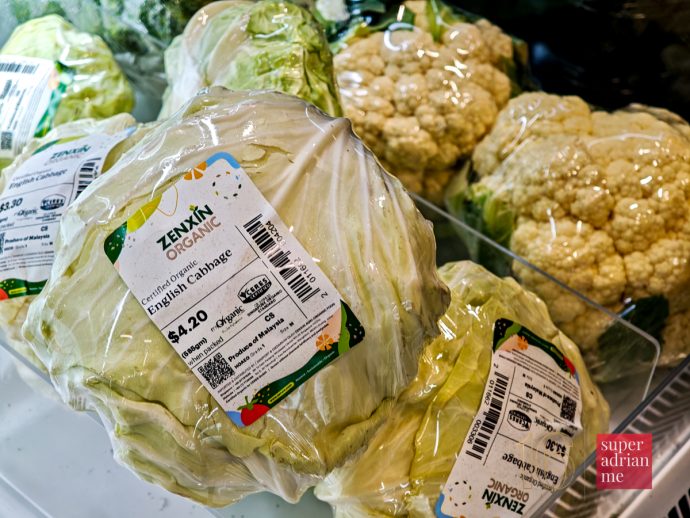
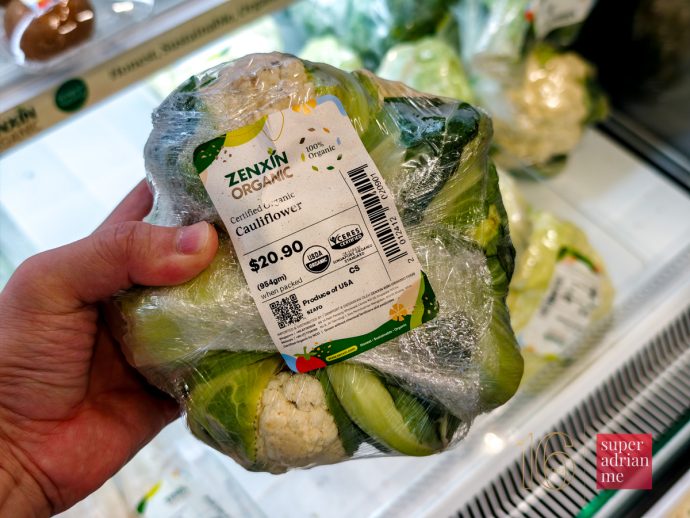
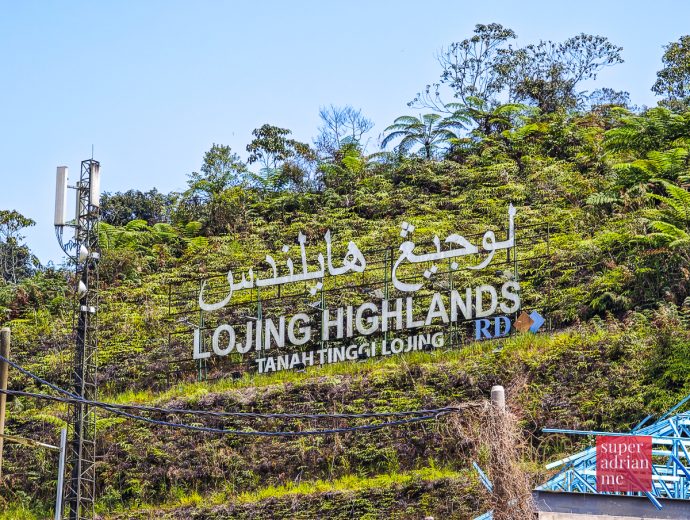
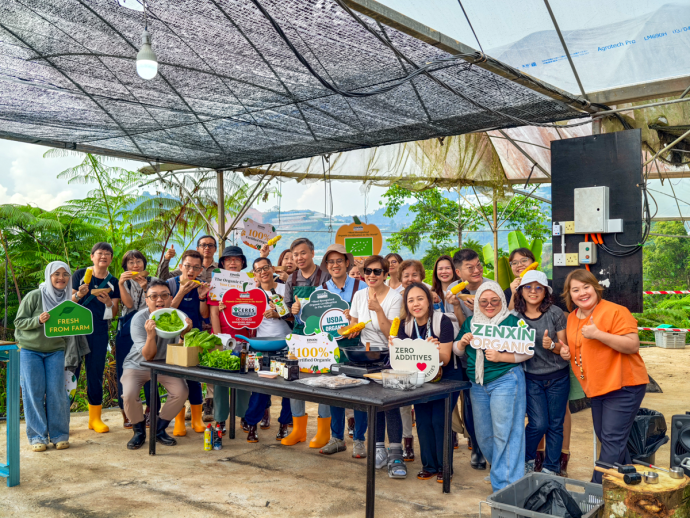
We moved between farms, saw vegetables at different stages of growth and learnt how farmers work with the conditions of each site. ZENXIN also runs farm experiences for consumers. Its July 2026 public Sister’s Organic Adventure included a two-day itinerary through Cameron Highlands and Lojing, with farm visits, hands-on activities and an organic steamboat meal.
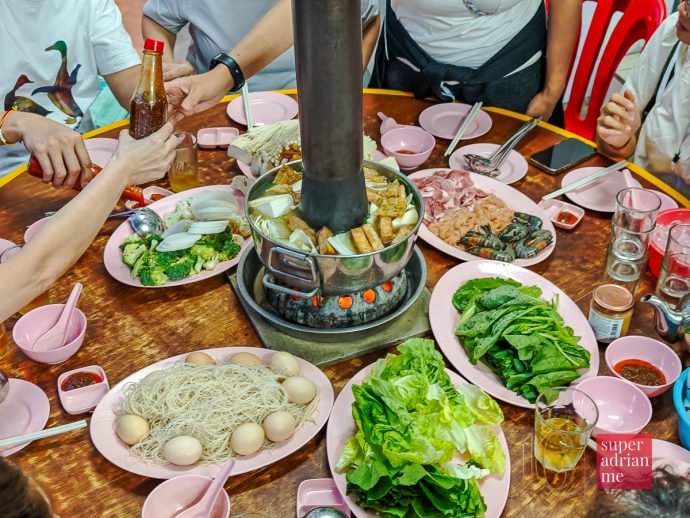
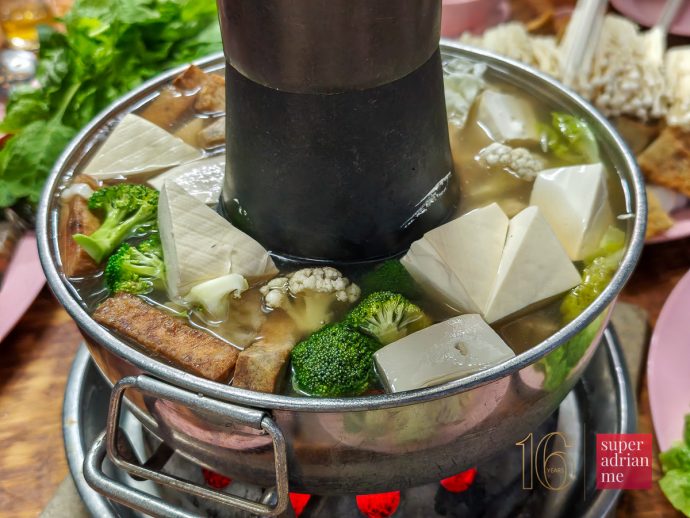
Our own day ended in Brinchang over a hearty organic steamboat, which felt particularly appropriate after spending hours seeing where many of those ingredients begin their journey. Imagine the sweetness from very fresh produce. But the biggest revelation came long before dinner.
Not Every Vegetable Makes It to Your Plate
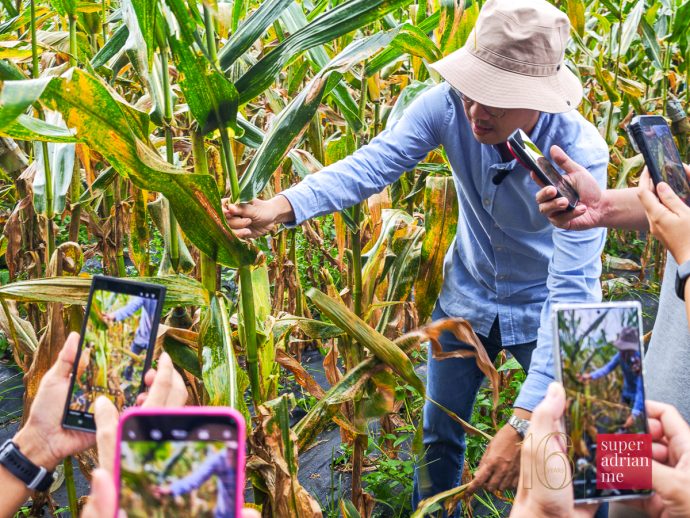
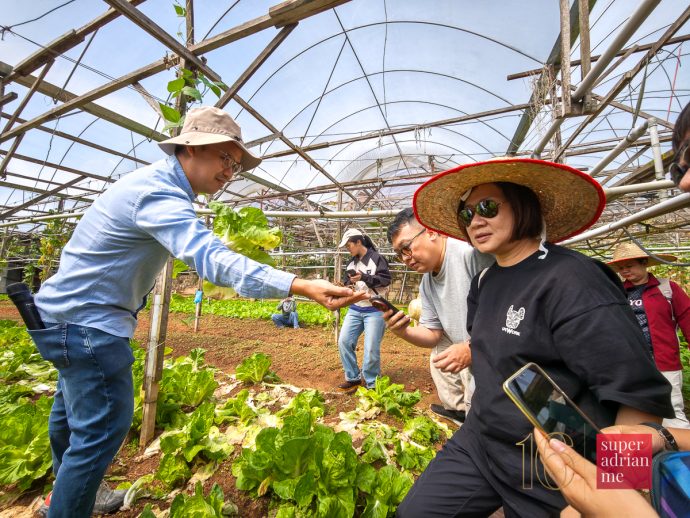
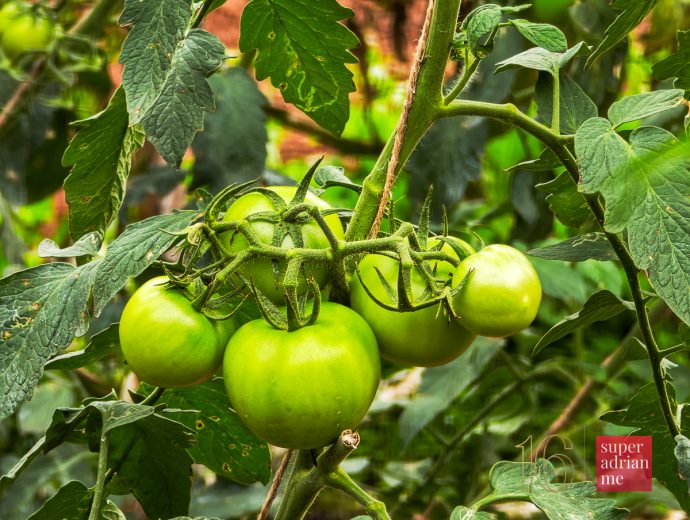
I had never really considered how long some crops can take to grow. At the farms, we learnt that certain vegetables can require months from sowing to harvest. During that time, farmers have to contend with weather, moisture, disease and hungry pests.
Organic farming does not simply mean planting a seed and leaving nature to do the rest. Certified organic production restricts the agricultural inputs growers may use, which means farmers cannot simply reach for the same arsenal of conventional synthetic pesticides and fertilisers when something goes wrong.
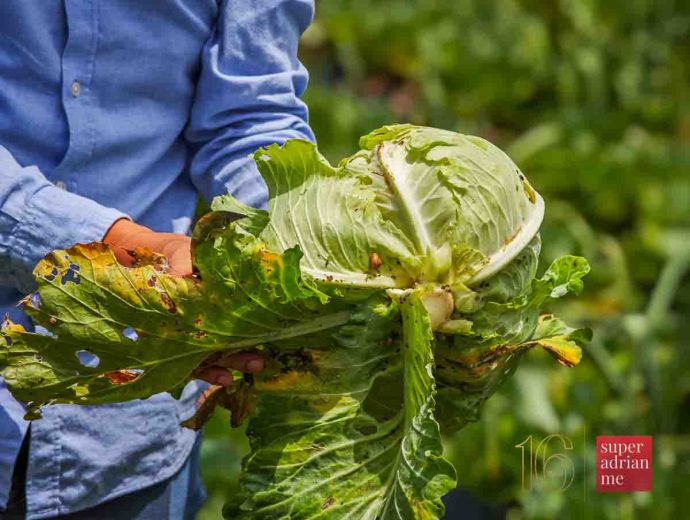
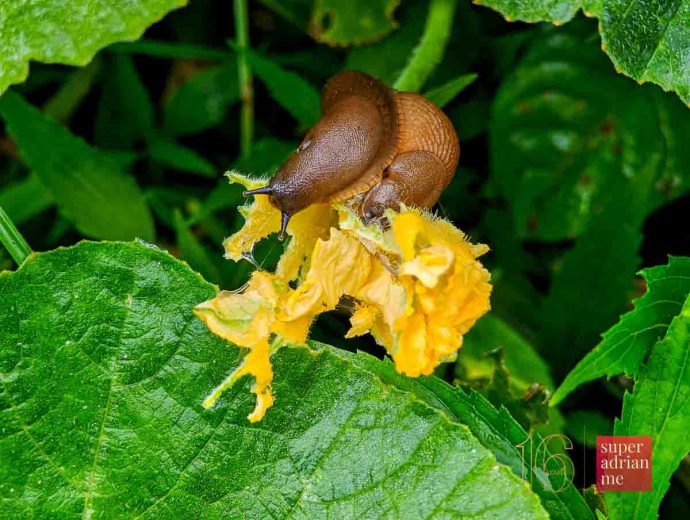
Snails provided a particularly visible example. They may be small, but give them access to rows of tender vegetables and they can make short work of a crop. That also means not everything planted is eventually good enough to sell.
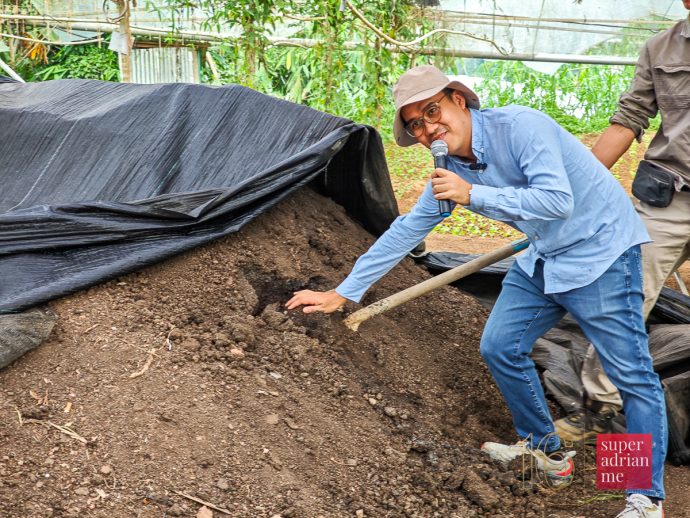
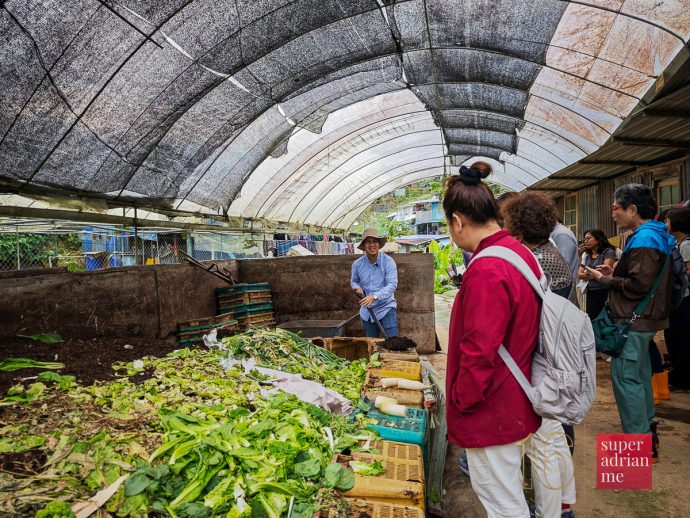
What surprised me was that rejected vegetables do not necessarily go completely to waste. Organic material can be returned to the farming cycle through composting, helping create nutrient-rich material that can subsequently be used on the fields.
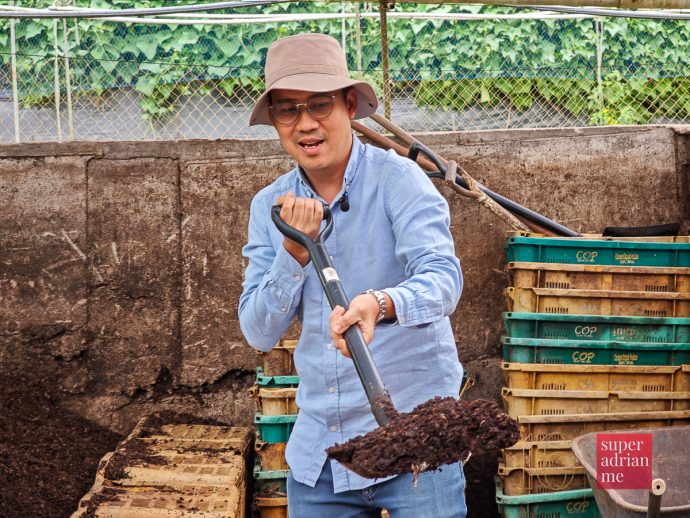
ZENXIN itself operates an organic compost and fertiliser programme as part of its wider certified supply chain. Seeing it for myself changed my perceptions of compost. I thought it was going to stink but I was invited to give it a whiff and it did not smell bad. It was also still warm.
And suddenly, paying a little more for that pristine bunch of vegetables begins to make more sense.
Growing with Cameron Highlands’ Microclimates
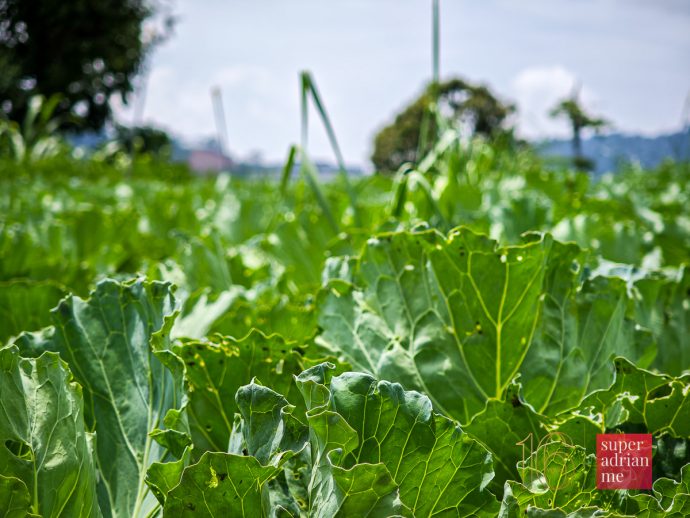
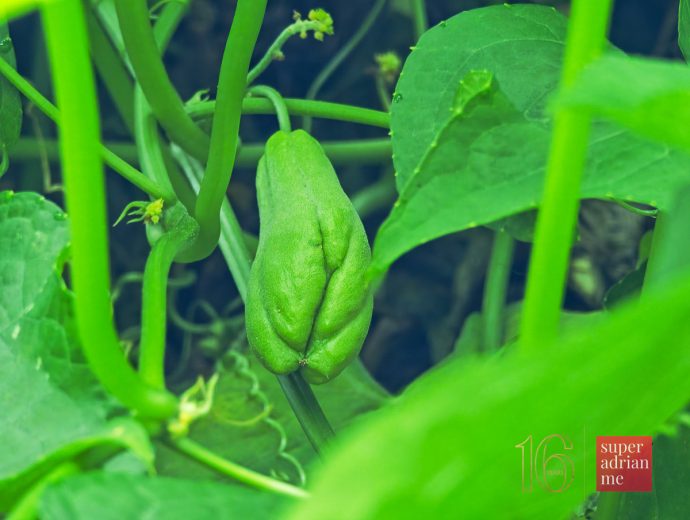
Altitude also changes what farmers can successfully grow. At one of the lower-elevation farms we visited, around 1,200 metres above sea level, we saw different varieties of beans growing in the humid highland environment. One particularly interesting flat bean came from seeds the farm had preserved and propagated itself.
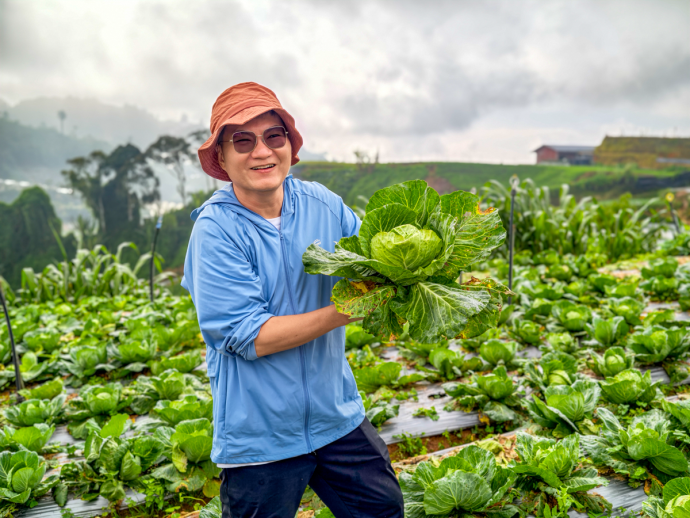
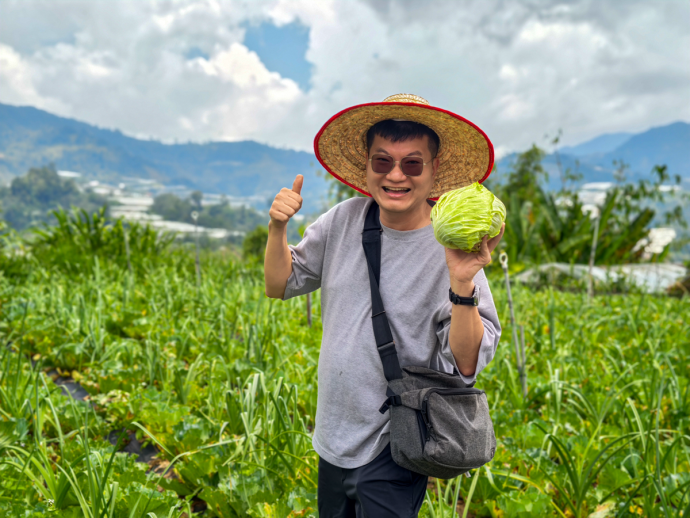
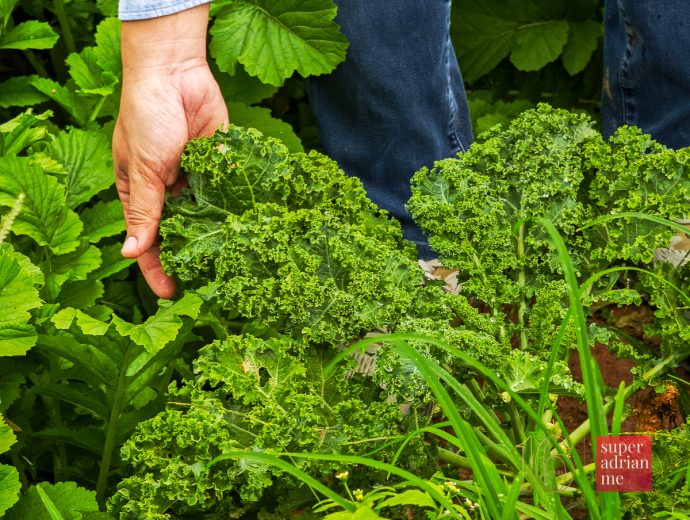
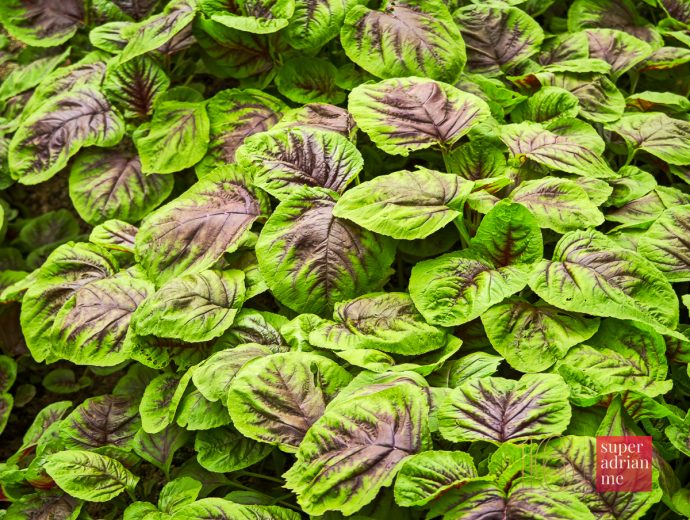
Move higher and the conditions change again, favouring different crops, including cabbages and leafy vegetables. Rather than treating every farm as interchangeable, growers have to match crops to the temperature, moisture, soil and conditions of individual plots. And moisture can be both friend and foe.
Organic Farming Is About More Than Pesticides
One of the biggest misconceptions I had before this trip was that organic farming simply meant “no pesticides”. It is considerably more complicated than that.
Organic standards govern how crops are produced and handled, and can cover everything from permitted agricultural inputs and soil management to post-harvest handling, storage and traceability. Singapore’s own SS 632 Specification for Organic Primary Produce, for example, covers production, post-harvest practices, importing, packing, storage, transport and labelling.
On the farms, we heard repeatedly about crop rotation, water management, humidity and contamination risks from neighbouring plots.
Persistent moisture can make fungal disease particularly troublesome. Conventional growers have access to treatments that may not be permitted under an organic programme, leaving certified organic farmers with a more limited range of interventions.
Keeping growing areas clean, relatively dry and well ventilated therefore becomes part of the defence.
Your Neighbour’s Farm Matters Too
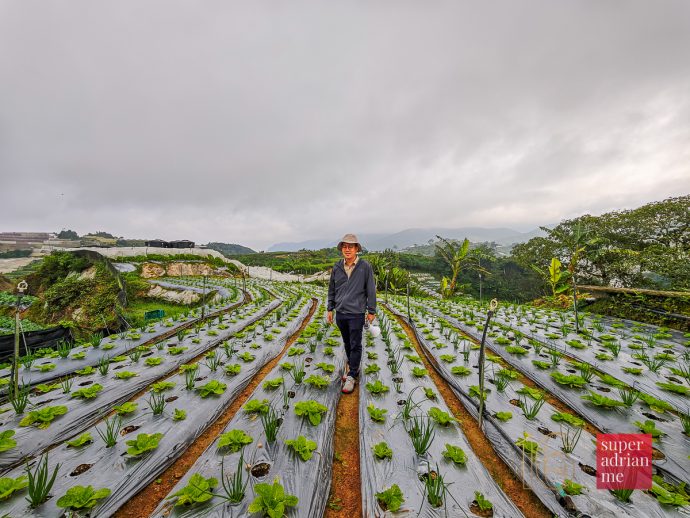
Perhaps the most interesting thing I learnt was that becoming an organic farm is not solely about what happens inside your own boundary. The surrounding environment matters too. Before land is brought into an organic programme, potential contamination risks have to be considered. If neighbouring farms practise conventional agriculture, safeguards may be necessary to reduce the risk of spray drift or contaminated runoff reaching organic plots.
At farms we visited, we saw and learnt about measures including buffer areas, physical barriers and drainage channels designed to separate organic growing areas from surrounding agricultural activity.
It illustrated an important point: a farmer can control what is put onto his own soil, but rainwater and airborne spray do not recognise property lines. That additional layer of protection requires space, infrastructure, monitoring and, inevitably, money.
Then Comes the Certification
Growing organically is one thing. Proving it is another.
ZENXIN has long worked with third-party certification. Its supply chain has been certified to NASAA organic standards, covering farms, growers and processing operations, with annual audits and routine testing forming part of its compliance programme.
During our visit, representatives also explained that one of the farming operations had pursued certification against Singapore’s organic standard through an overseas certification organisation.
Singapore’s current SS 632:2017(2025) standard covers fresh vegetables, fruits, herbs, grains and mushrooms, with traceability from farm to fork forming an important part of the framework.
We were also told that ZENXIN is working towards additional USDA Organic certification.
Every Packet Has a Story
Perhaps the most impressive part of the operation happens after the vegetables leave the ground.
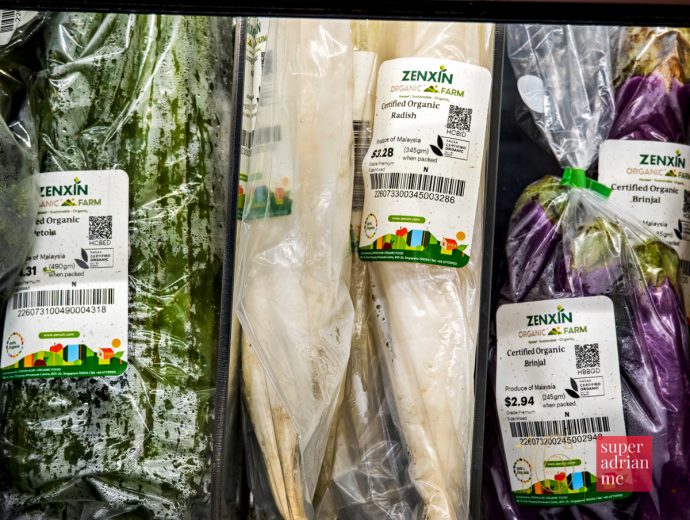
ZENXIN has developed a traceability system using QR codes and digital records to follow produce through harvesting and packing.
Farm workers record harvested batches, while information continues to be captured as produce moves through packing facilities. The objective is that if a problem emerges with a particular batch, the company can work backwards through its records to determine where it was packed and which farms or plots supplied it.
ZENXIN’s published certification information confirms that its traceability system is designed to link produce back through packing houses to farming plots and even records concerning the compost used.
That little QR code on a packet of vegetables suddenly feels far less insignificant.
From Cameron Highlands to a Singapore Restaurant
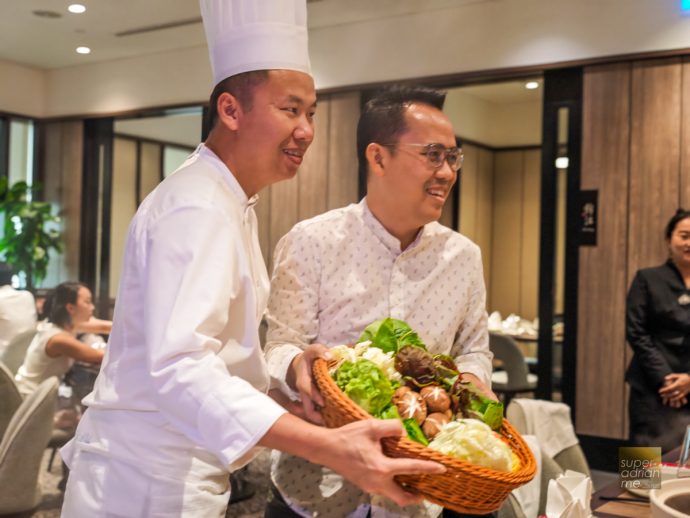
So where does Si Chuan Dou Hua fit into all this?
The restaurant has worked with ZENXIN Organic on its Parents’ Day menus, incorporating organic produce into dishes served at its Singapore restaurants.
The collaboration dates back at least to 2025, when Si Chuan Dou Hua introduced Parents’ Day menus featuring ZENXIN produce. The partnership continued in 2026, when diners could even enter a draw for a two-day organic farm trip. ZENXIN Executive Director Tai Seng Yee previously told us that fresh vegetables harvested in Cameron Highlands can reach Singapore within about 24 hours.
After walking the farms ourselves, that farm-to-table connection became much easier to appreciate.
A vegetable served in an elegant Chinese restaurant in Singapore may have been growing in the cool hills of Malaysia only a day earlier.
I’ll Look at My Vegetables Differently Now
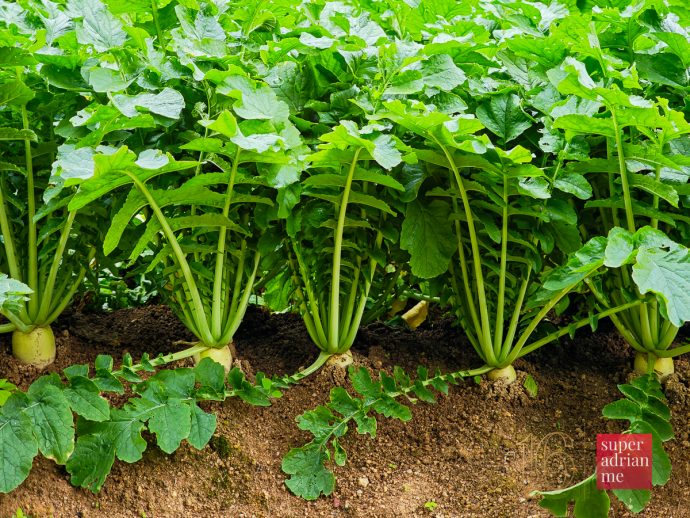
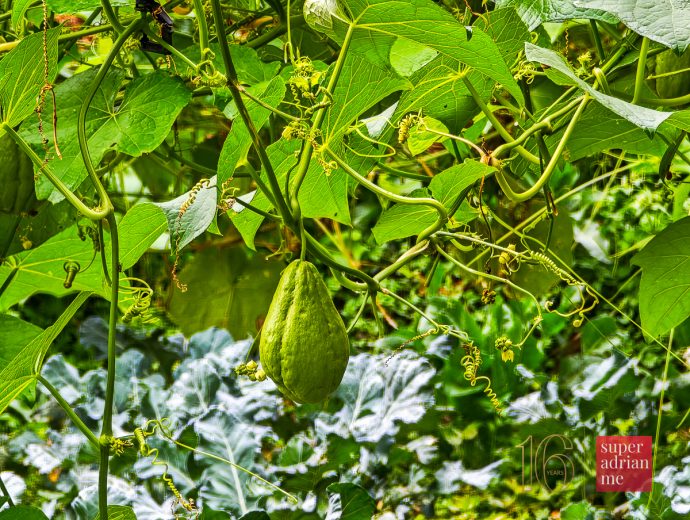
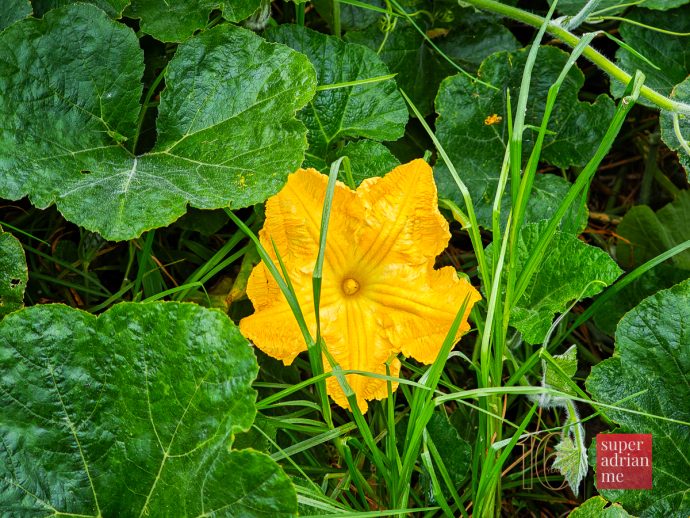
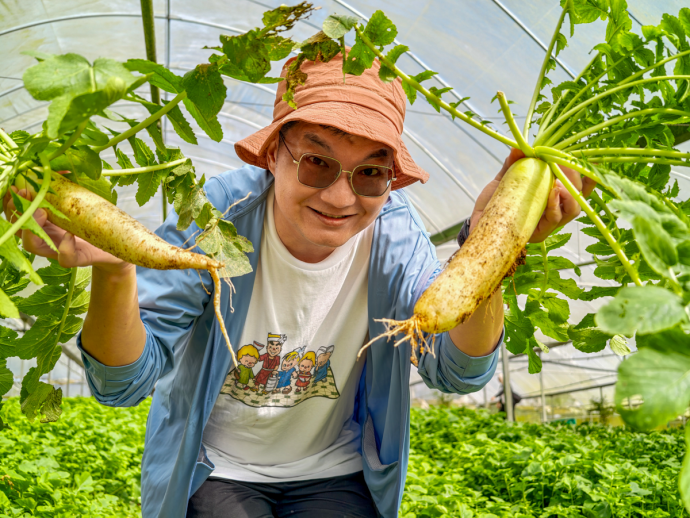
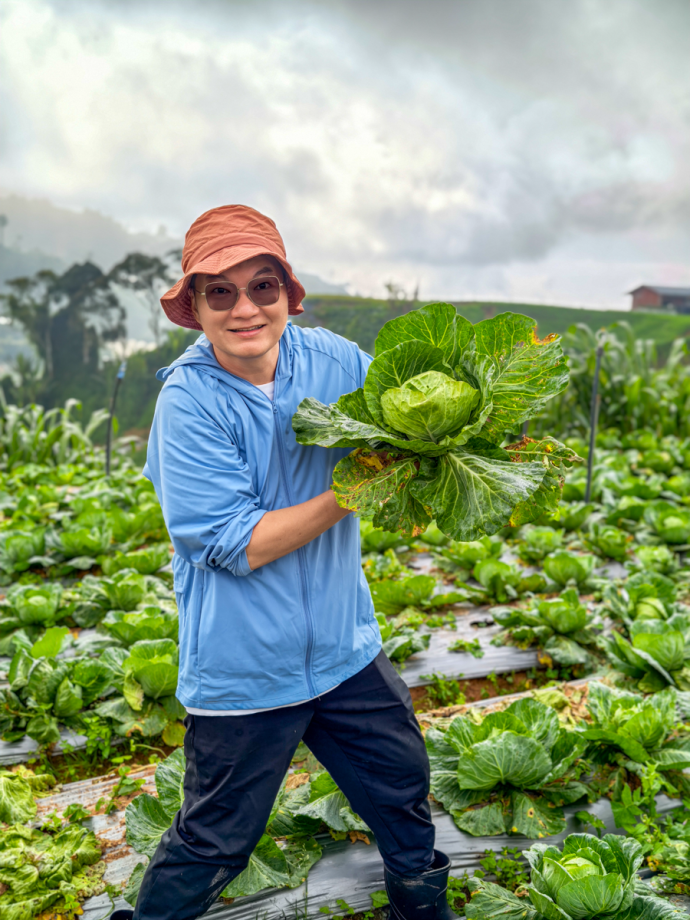
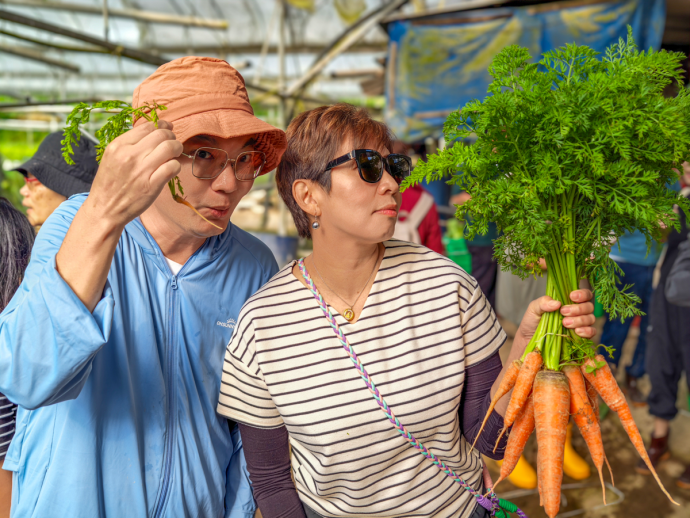
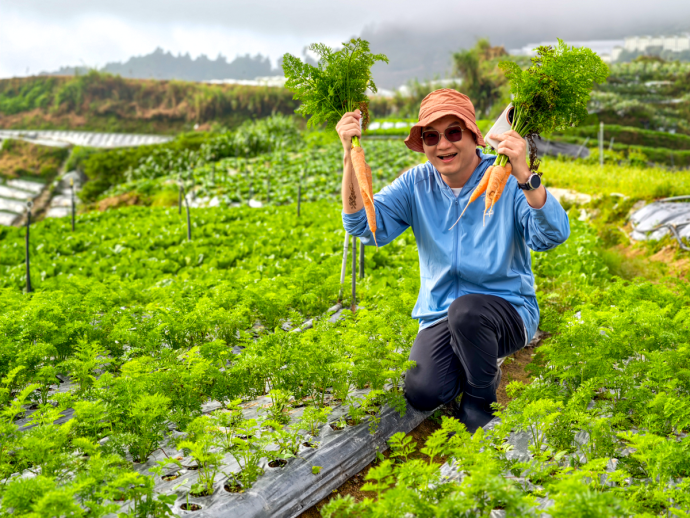
I went to Cameron Highlands expecting beautiful scenery, cool weather and some very fresh vegetables.
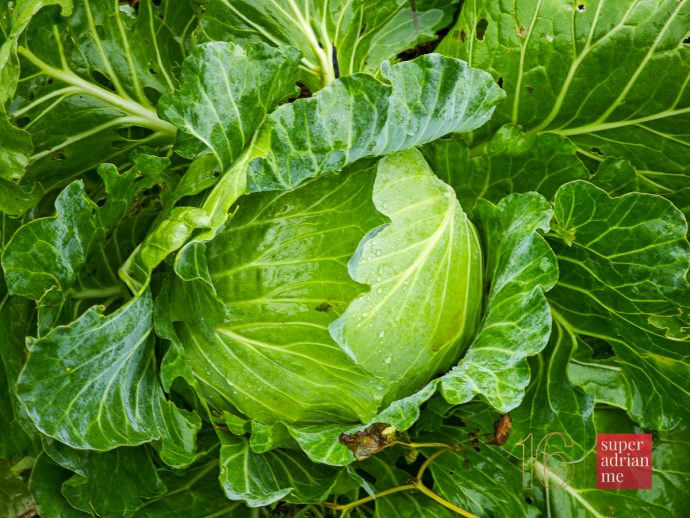
I came home thinking about snails, drainage trenches, QR codes and the months of work that can sit behind something as unremarkable as a cabbage.
Organic farming is not automatically better simply because a label says “organic”, nor does organic mean that nature does all the work. What the visit showed me was how much management goes into meeting a certified standard, from the soil and surrounding farms to harvesting, packing and traceability.
The next time I see an organic vegetable sitting beside a cheaper conventional alternative at the supermarket, I may still look at the price. But at least now I have a better idea of what I am paying for.