
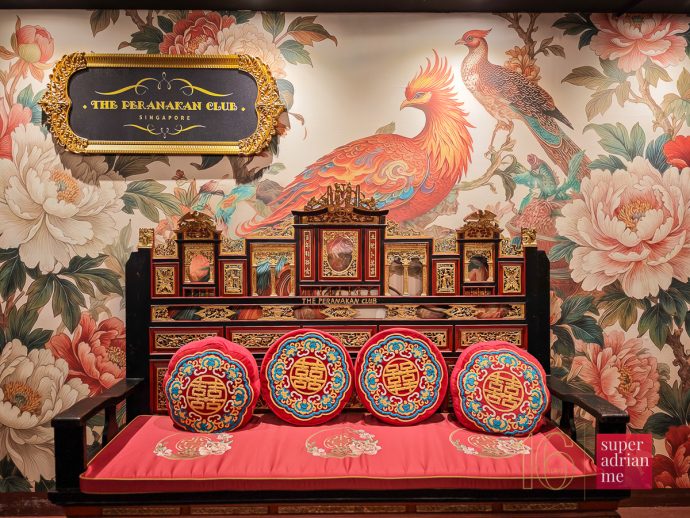
Where Singapore’s Straits Chinese Culture Comes to Dinner
At this 5,000-square-foot Orchard Road address, buah keluak shares the spotlight with brooches, folding screens, family stories and cocktails.
In one bite: The Peranakan Club is not simply a place to eat Peranakan food. It is a six-part cultural destination where heritage recipes, antiques, clothing, rituals and craft cocktails turn dinner into an introduction to Straits Chinese life.
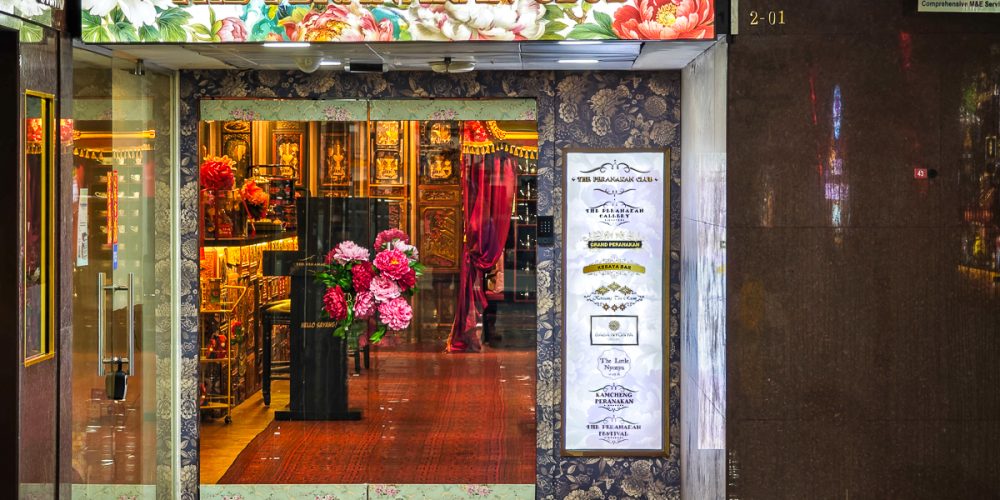
This is not dinner with decorative wallpaper
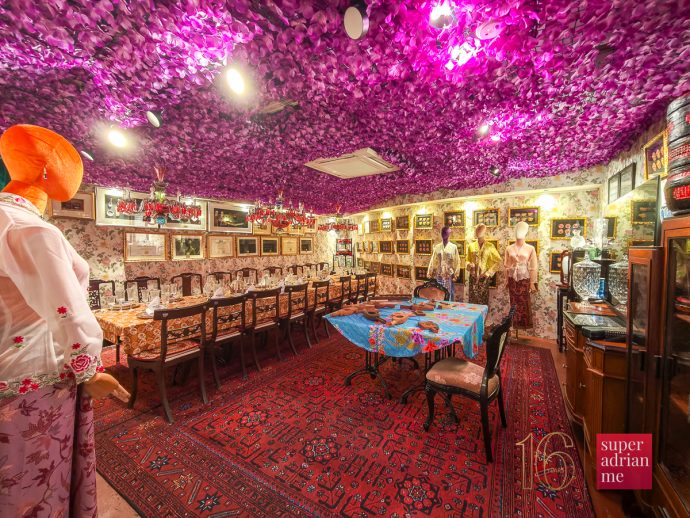
Walk into The Peranakan Club and the first course arrives before anyone hands you a menu.
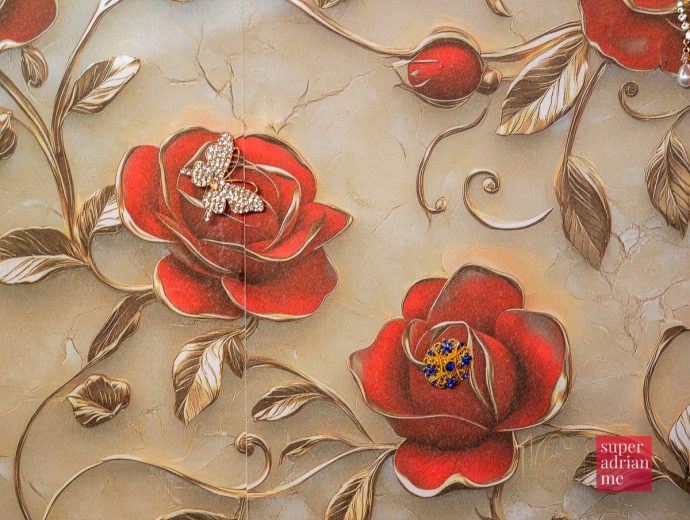
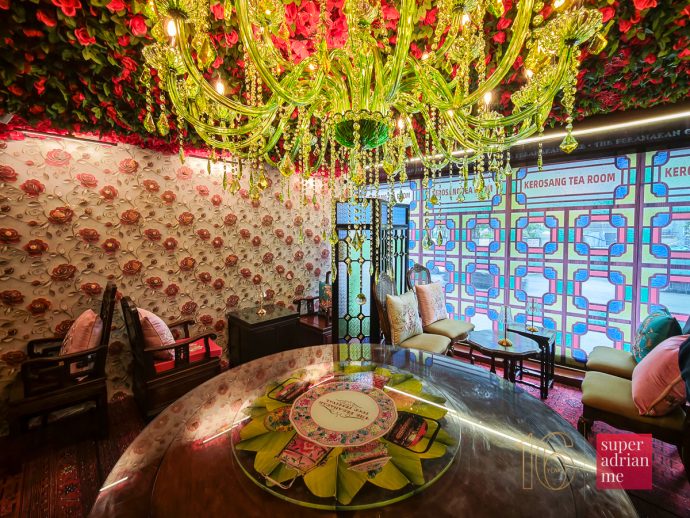
Peonies climb the wallpaper. Kerosangs – the ornate brooches traditionally used to fasten a kebaya – gleam from the walls. Vintage wooden bedframes have been given a second career at the Kebaya Bar, while carved furniture and folding screens bring the visual vocabulary of a Peranakan home into the present tense.
In other words, the room is not background but part of the story.
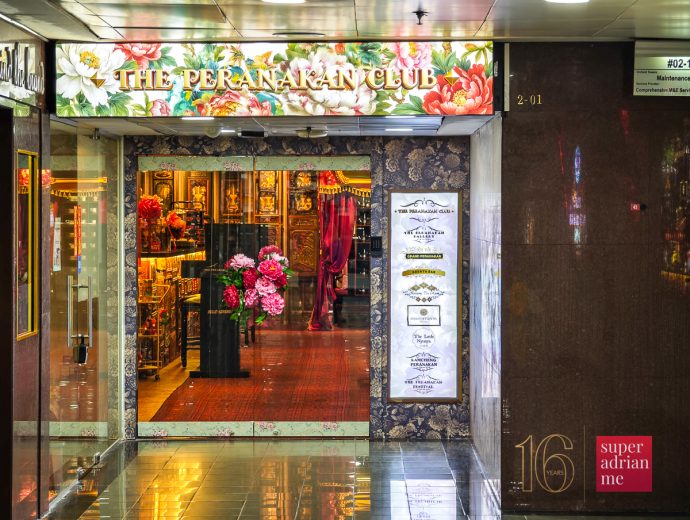
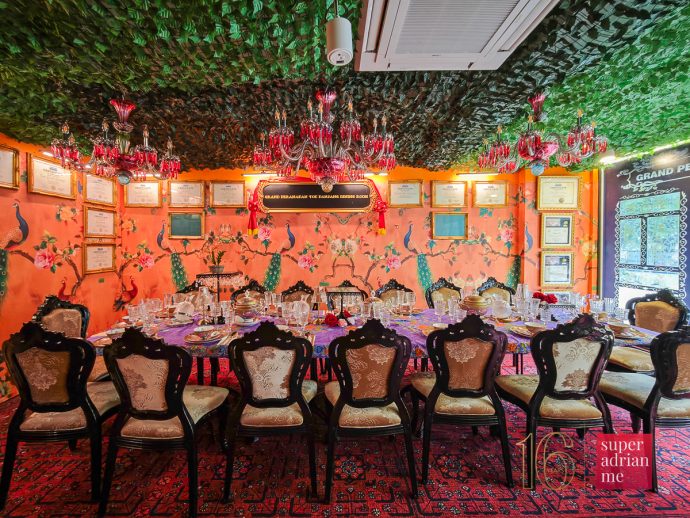
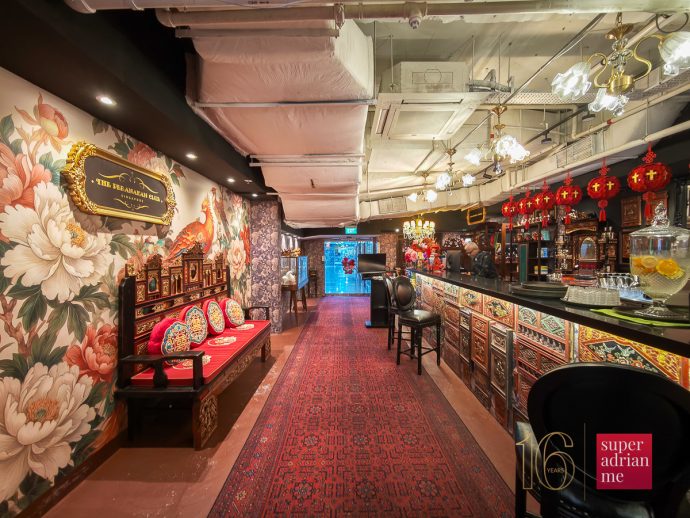
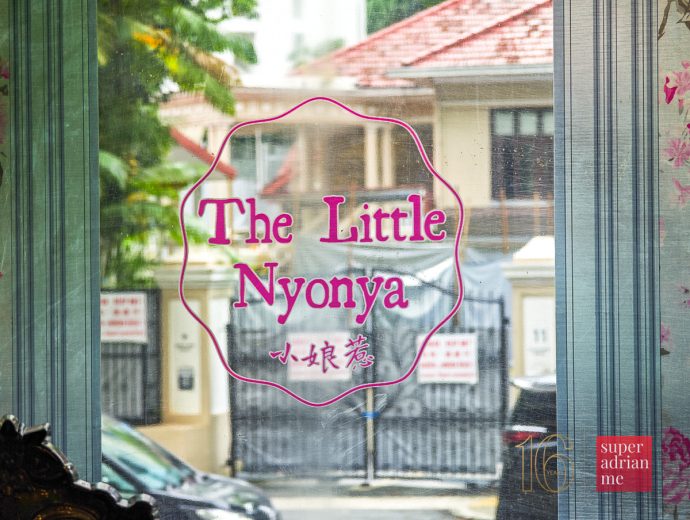
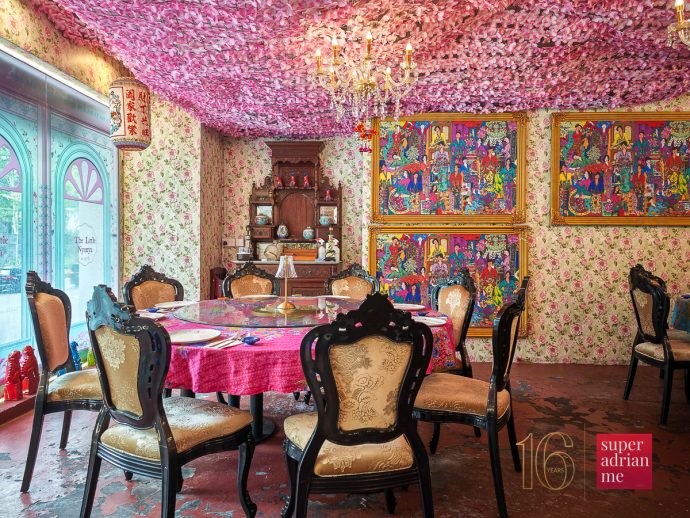
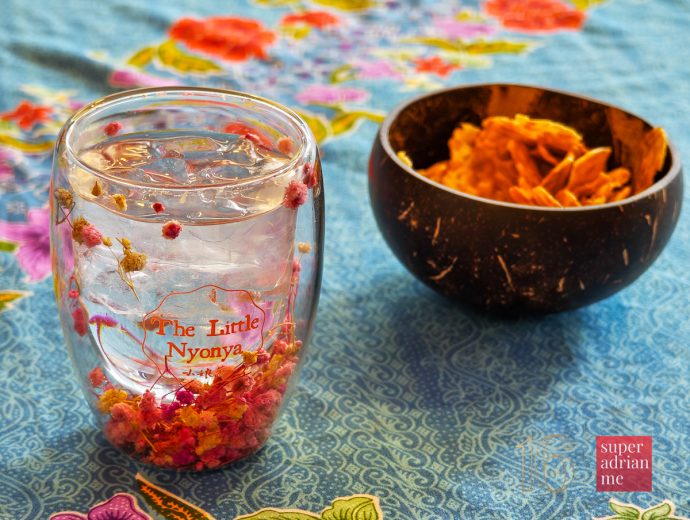
The 5,000-square-foot destination at 1 Claymore Drive gathers six concepts under one roof. Its founder and executive chef, Baba Raymond Khoo, describes the larger idea as a place where guests can taste heritage dishes, encounter cultural traditions and see heirlooms in use rather than behind a solemn sheet of museum glass.
That makes The Peranakan Club unusually easy to recommend to two very different crowds. For visitors, it is a vivid first chapter on Straits Chinese culture. For locals, it is a reminder that familiar dishes and objects can still hold a surprise or six.
Six concepts, one very dressed-up rabbit hole
The Little Nyonya is the casual, communal dining room and the most straightforward place to begin. The Grand Peranakan takes the long view – and the long table – with private tok panjang feasts inspired by the elaborate banquets of Peranakan households.
Then the plot branches.
The Kebaya Bar translates local botanicals and heritage flavours into cocktails. The Kerosang Tea Room nods to the Chinese roots of Peranakan culture with afternoon tea and an old-world setting. The Peranakan Gallery gathers wedding attire, artefacts and collectibles. The Baba Nyonya Atelier turns craftsmanship into something visitors can take home, from kebayas and jewellery to lifestyle wares made by artisans.
Together, the six spaces answer a question that a plate alone cannot: what does a culture look, feel and sound like when it is allowed to occupy the whole room?
Eat the archive – it comes with sambal
Peranakan cuisine grew through generations of exchange between Chinese techniques and the ingredients, tastes and rhythms of Southeast Asia. At The Little Nyonya, that history lands as food designed to be shared.
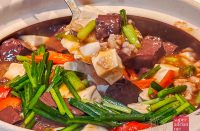
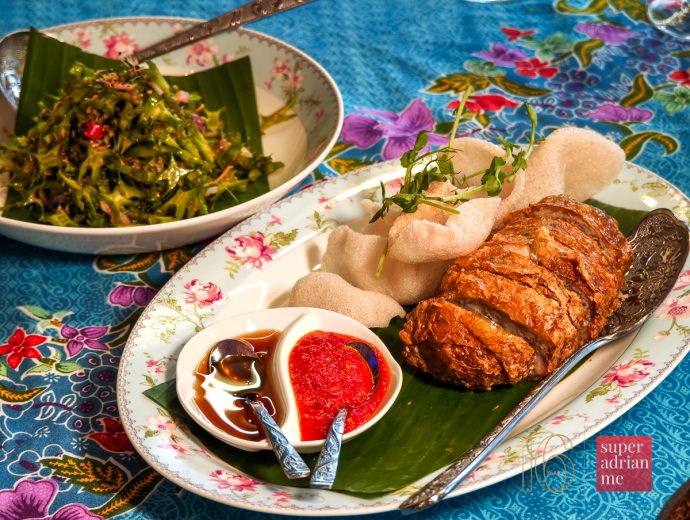
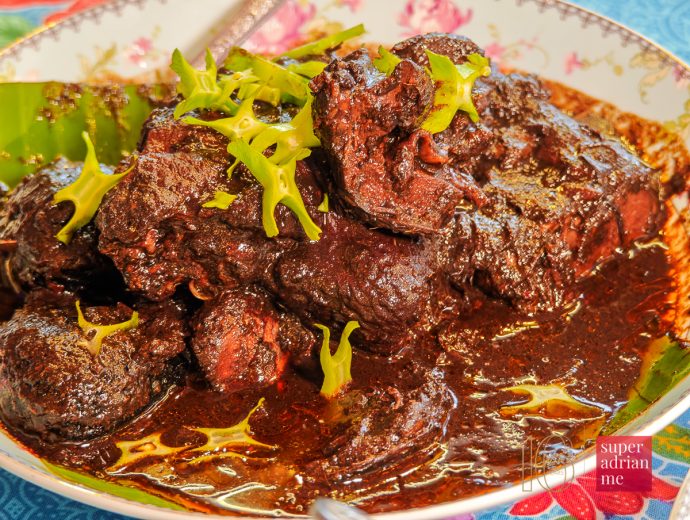
First-timers should know the phrase buah keluak. The dark Pangium edule nut is sometimes called the “black gold” of the Peranakan kitchen, thanks to its earthy, deeply savoury character and the work required to prepare it. Here, ayam buah keluak pairs the nut with chicken in a complex braise. A separate buah keluak fried rice folds its creamy paste through wok-fired jasmine rice.
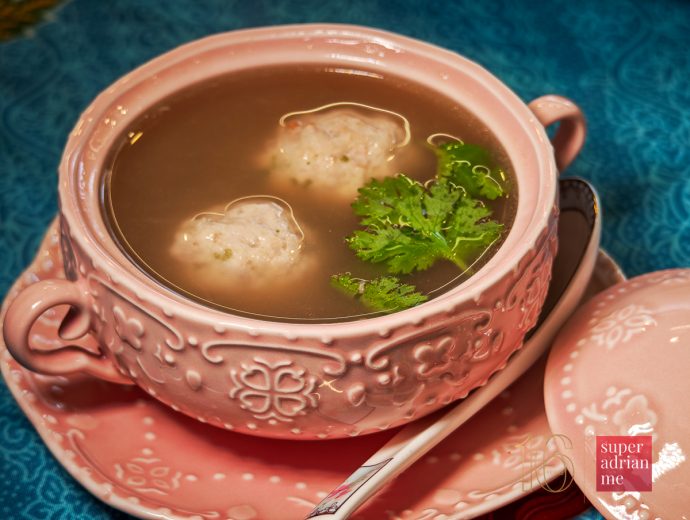
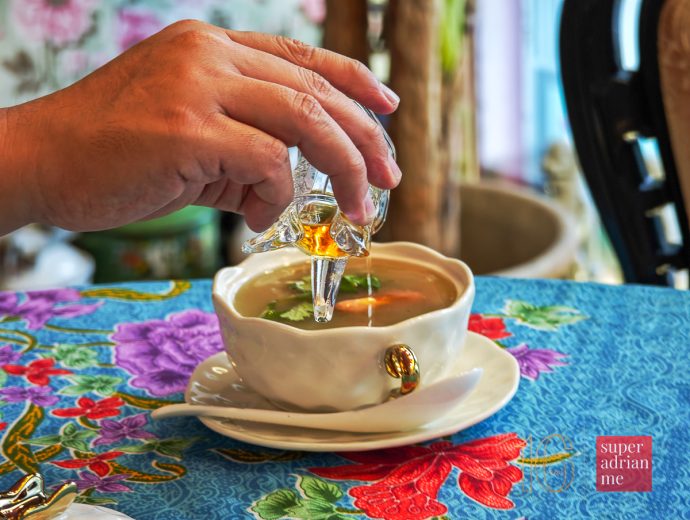
Itek tim is quieter but no less revealing: duck and salted vegetables simmered into a clear, savoury soup, with an optional splash of brandy. Nasi ulam dulu kala is its aromatic opposite – cold-steamed rice tossed with a confetti of finely cut herbs, spices and salted fish. Kachang botol kerabu brings snap and brightness through winged beans, calamansi, shallots and sambal.
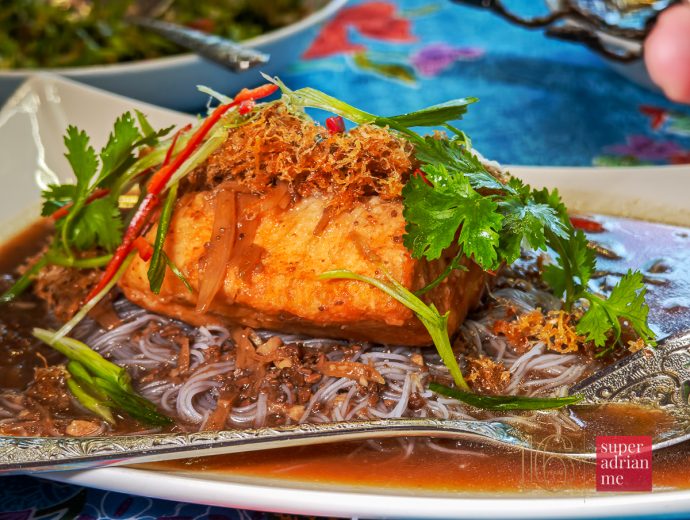
The menu likes a conversation between depth and lift: fermented soybean against slow-braised pork in babi pongteh; tamarind cutting through prawns in assam pedas; pineapple brightening coconut-rich rempah nenas udang. These are not timid flavours, but neither are they noise for noise’s sake. The pleasure is in how sour, spicy, sweet, herbal and savoury take turns holding the microphone.
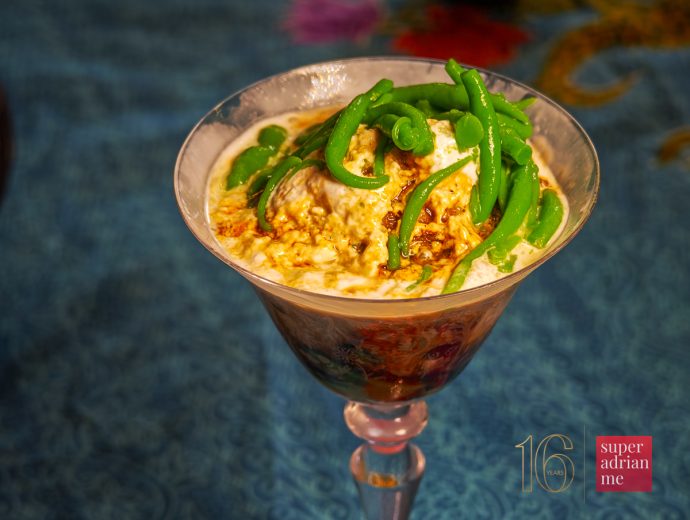
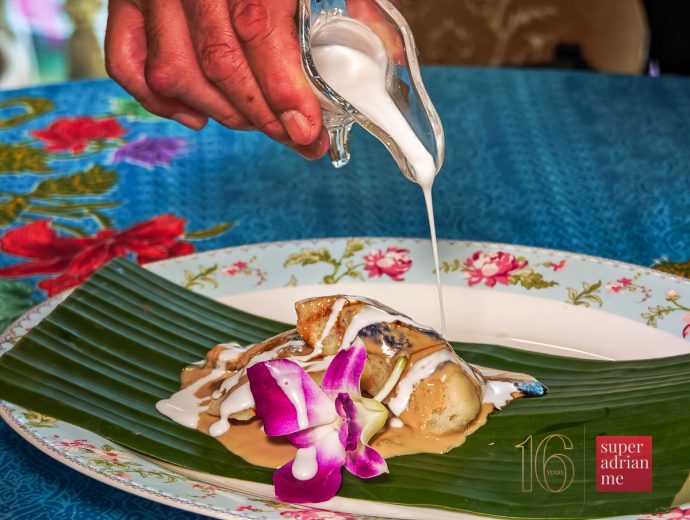
Save room for dessert. Apom bok kwa pisang pairs airy fermented rice pancakes with banana and coconut. Chendol Melaka arrives with gula Melaka, pandan jelly and red beans. Blue pea sago gula Melaka brings the camera-friendly colour, but thankfully remembers to bring flavour too.
The cocktails have backstories
At Kebaya Bar, the drinks menu behaves like a mischievous cousin of the food menu.
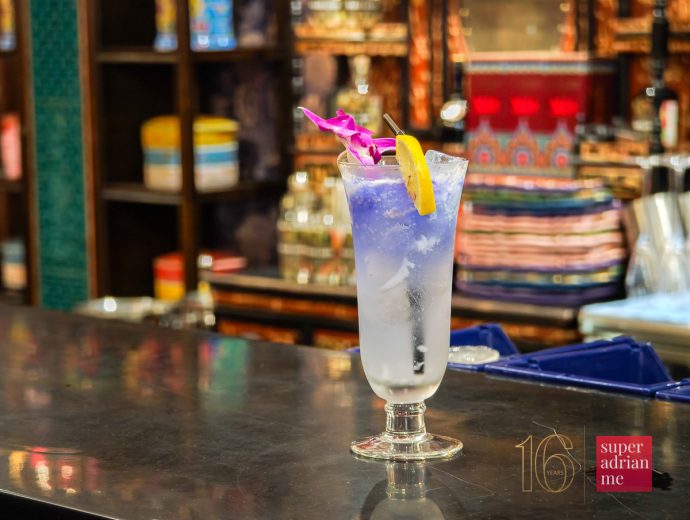
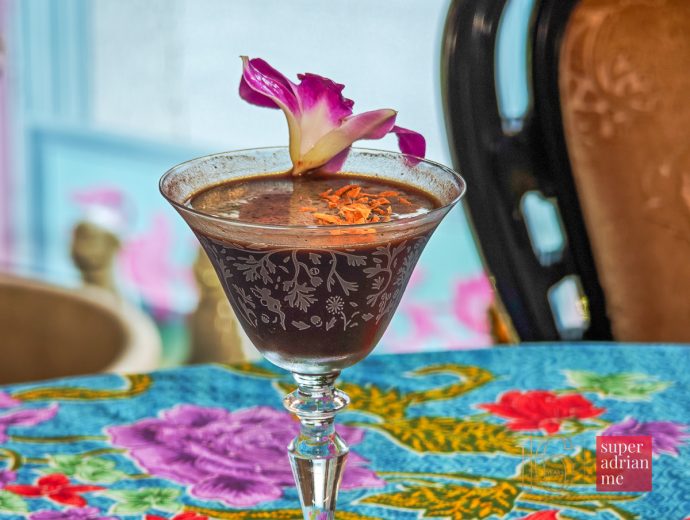
The Buah Keluak Kopi-O-Tini takes an Espresso Martini into earthier territory with kopi-O, buah keluak and Pahit Pink Gin. The Kueh Salat builds coconut and pandan beneath a layer of Butterfly Pea Gin, echoing the colours and perfume of the Nyonya cake. A Calamansi Gimlet is sharp enough to reset the palate after a rich course.
For something softer, the Bok Kwa Pisang Flip leans into banana, coconut and barrel-aged gin. The Hawthorn Club swaps the familiar raspberry profile of a Clover Club for tart, floral hawthorn – a small red fruit with a long memory for anyone raised on haw flakes.
And yes, some drinks change colour. Apparently even the cocktails have costume changes here.
Vegetarians are not handed the consolation salad
Heritage menus can sometimes treat plant-based diners like an awkward footnote. Not here.
The separate vegetarian selection gives the cuisine’s techniques a proper workout: Lion’s Mane mushrooms stand in for meat in an earthy buah keluak gravy; young jackfruit is simmered in rendang spices; brinjal and okra meet a spicy-sour assam pedas broth; and Nyonya chap chye brings together lily buds, black fungus, mushrooms and glass noodles.
There is also nasi ulam without the usual salted fish, plus kueh pie tee crowned with sea grapes – “green caviar” with a pop of oceanic freshness. It is not a reduced version of the experience. It is another route through it.
The people behind the plates
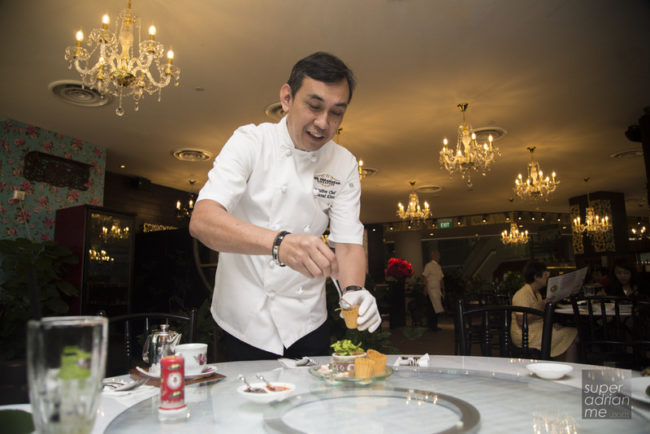
The project is led by Raymond Khoo, an executive chef and social entrepreneur with more than 30 years in hospitality. The recipes draw on three generations of the Khoo family, while his work beyond the restaurant includes The Saturday Movement, S17 Kitchens and Peranakan Holdings.
Head Chef Lily Suriani Lim – better known as Bibik Lily – brings another strand to the table. Trained at Le Cordon Bleu Dusit, she is also a culinary educator whose work spans private dining, public demonstrations, community outreach and heritage storytelling.
The Peranakan Club operates as a social enterprise registered with raiSE Singapore. Its stated mission connects cultural preservation with inclusive employment and practical training. That matters because “heritage” can otherwise become a pretty word for looking backwards. Here, the ambition is to keep traditions economically active and socially useful.
Local or tourist? The answer is yes
Tourists get a compact, highly visual introduction to Peranakan culture without needing a glossary before booking. Locals get something perhaps more valuable: a place to bring visiting friends that does not flatten Singapore into chilli crab, skyline selfies and one very determined Merlion.
Families can graze through shared plates at The Little Nyonya. Cocktail hunters can begin at the bar. Culture-minded visitors can follow the objects into the gallery and atelier. Groups can ask about private dining and tok panjang experiences. The visit scales from a casual meal to a full heritage occasion.
The clever part is that no one has to choose between learning and having lunch. The Peranakan Club lets the two sit at the same table – preferably with an extra buah keluak nut.
Know before you go
| Details | Information |
|---|---|
| Venue | The Peranakan Club |
| Address | 1 Claymore Drive, #02-01, Orchard Towers (Carpark Block), Singapore 229594 |
| Reservations | +65 8988 0201 |
| [email protected] | |
| Website | theperanakanclub.com |
| @theperanakanclub | |
| Visitor note | Menu items, prices, hours, programmes and availability may change. Check directly with the venue before visiting. |