

Two years after launching its nonstop service from Singapore, Air Canada is preparing a new generation of cabins while Vancouver builds on its global sporting moment. For Singapore travellers, the connection also opens the door to a more personal, inclusive and expansive Canadian journey.
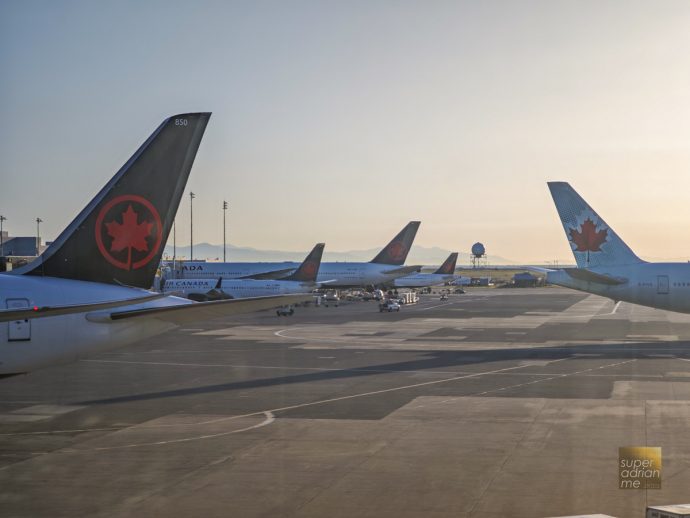
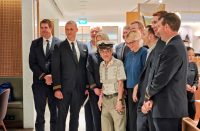
Air Canada and Destination Vancouver marked Canada Day in Singapore on 3 July 2026 with more than a ceremonial toast. The gathering celebrated two years since Air Canada launched its nonstop Singapore–Vancouver service in April 2024, while offering a first look at the airline’s next generation of long-haul cabins.
The event came as Vancouver enjoyed heightened international attention as a host city of the 2026 FIFA World Cup and one of National Geographic’s “Best of the World” destinations for 2026. However, the more enduring story for travellers in Singapore is simpler: Canada has become considerably easier to reach.
Instead of travelling through another Asian or North American airport, passengers can fly directly from Singapore to Vancouver in under 15 hours. From Vancouver, Air Canada’s network provides connections across Canada and onward to destinations in the United States.
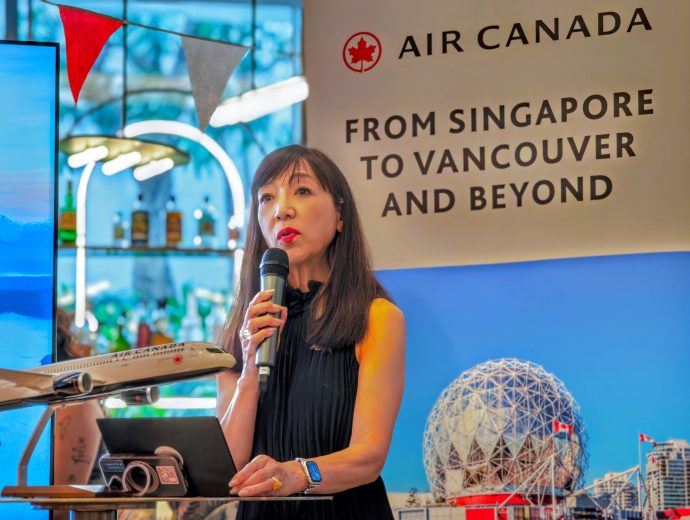
“For many of us, Canada Day is a moment to reflect on what makes this country truly special: its warmth, hospitality and diversity,” said Kiyo Weiss, Air Canada’s Senior Director of Sales for Asia-Pacific. She added that Singapore travellers were increasingly seeking “deeper, more meaningful experiences”.
The broader proposition is straightforward: make Canada easier to reach, then give visitors enough reasons to stay, or continue farther across the continent.
What the direct flight is like today
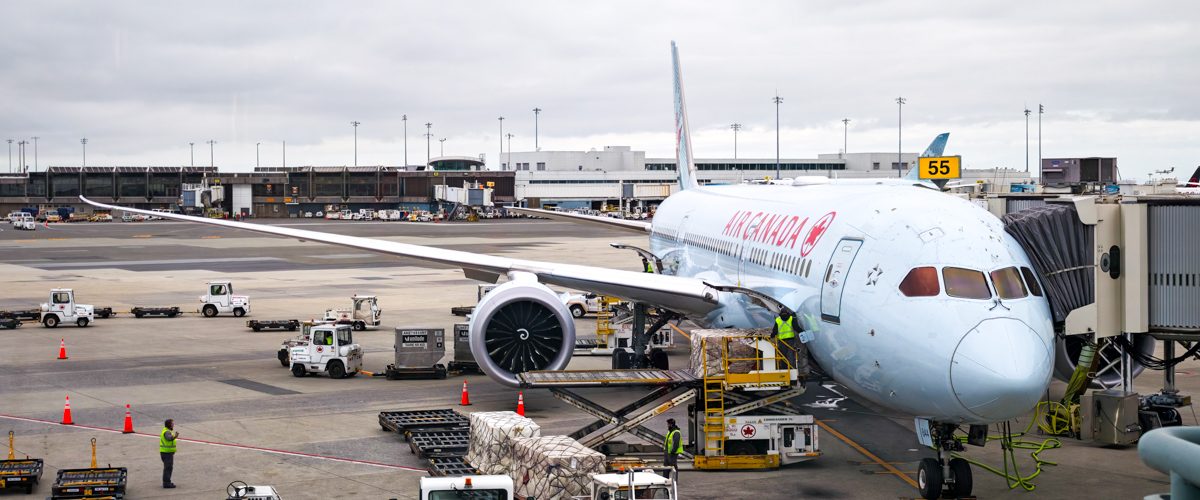
Air Canada’s Singapore service currently centres on the Boeing 787 Dreamliner rather than the new aircraft displayed in its latest cabin campaign.
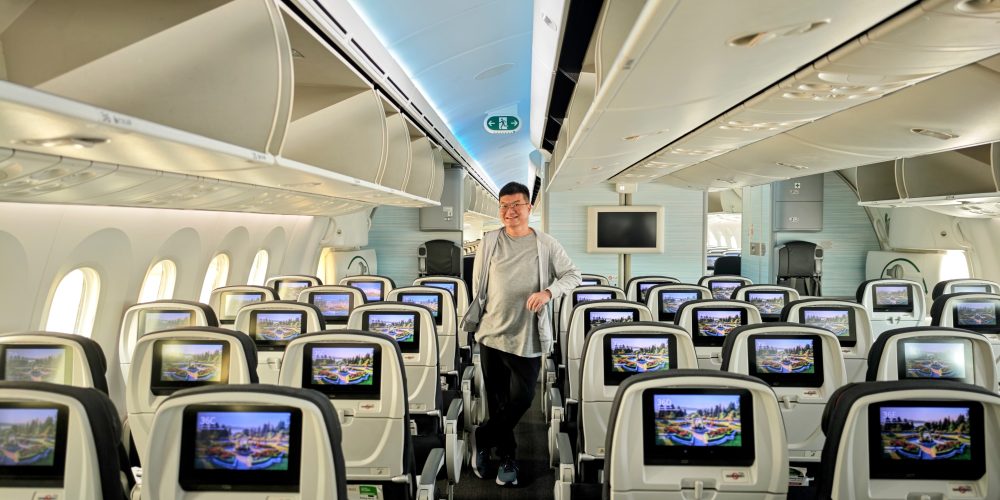
On my hosted round trip in May 2025, the 787-9 was configured with 30 Signature Class seats, 21 Premium Economy seats and 247 Economy seats. Economy had a 3-3-3 layout with approximately 31 inches of seat pitch, adjustable headrests, personal entertainment screens, power outlets and USB charging.
At 1.74 metres tall, I found the legroom “better than I expected” for such a long journey. The fact that the passenger in front did not recline certainly helped, but the experience demonstrated that the existing product remains manageable in Economy when paired with sensible preparation: comfortable layers, a good eye mask, noise-cancelling headphones and a deliberate attempt to sleep.
The Singapore–Vancouver sector typically takes around 14 hours and 15 minutes, while the return journey can run longer. My AC19 flight from Vancouver lasted 15 hours and 32 minutes.
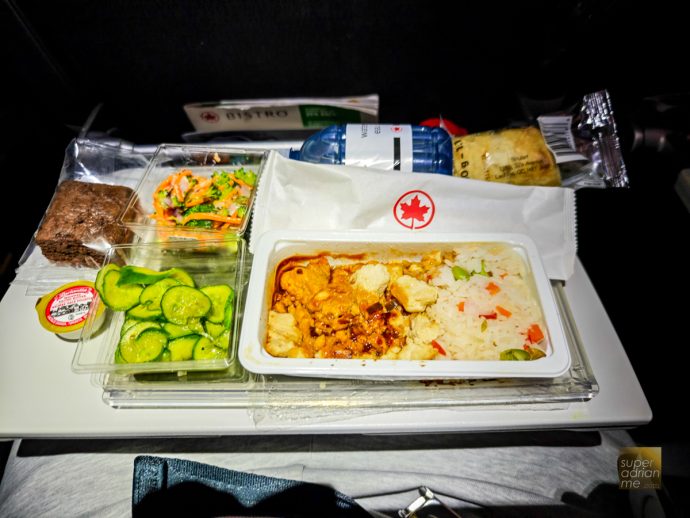
Two full meals and a mid-flight snack were provided in each direction. From Singapore, the choices included vegetable Chettinad masala and sweet-and-sour chicken, followed before landing by either an omelette or stir-fried Hokkien noodles with chicken and shrimp.
The return flight produced the stronger meal. A gluten-free plate of roast chicken with mushrooms and demi-glace was a pleasant surprise, accompanied by a satisfying couscous appetiser. Snacks and bottled water were also available from the galley between services.
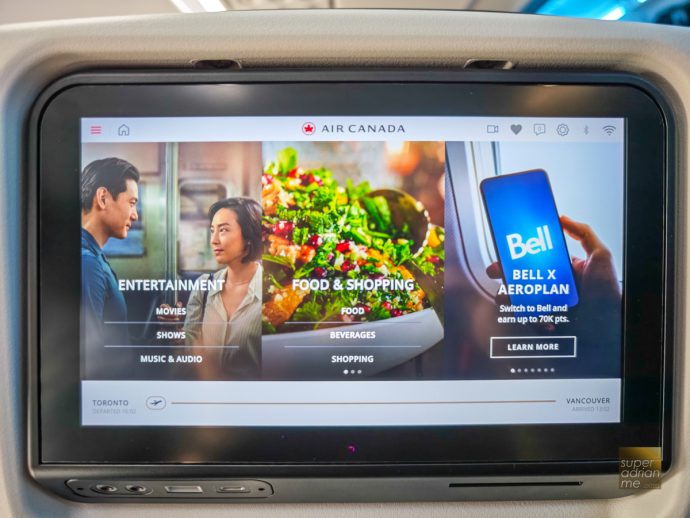
Connectivity was less advanced. Complimentary streaming-quality Wi-Fi was not yet available on the Singapore route during my flights; only basic text messaging without attachments was offered. Air Canada says free high-speed Wi-Fi for Aeroplan members, already available on much of its North American network, is due to expand to long-haul international services later in 2026. Read the complete first-hand flight review.
Air Canada’s next-generation cabins
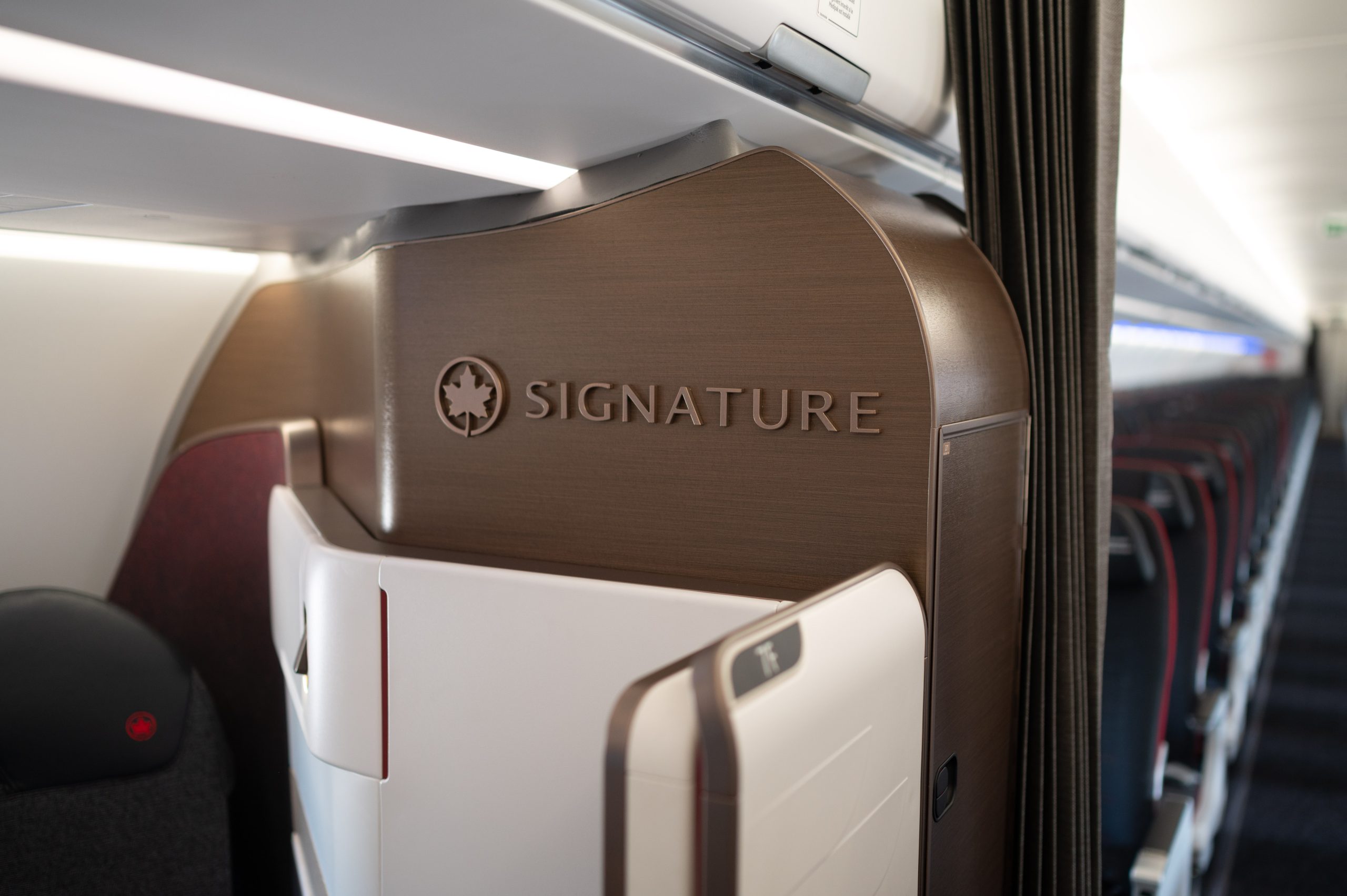
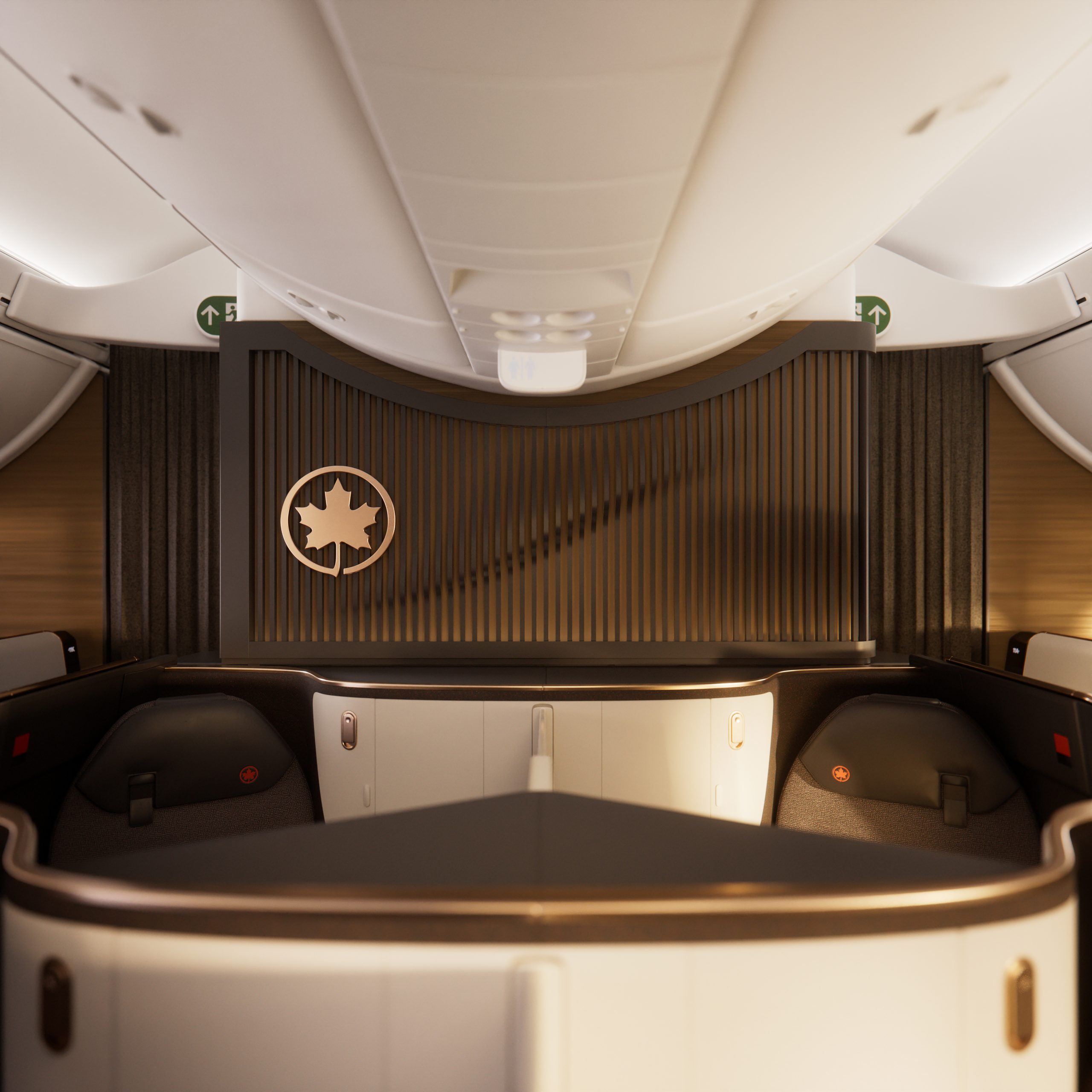
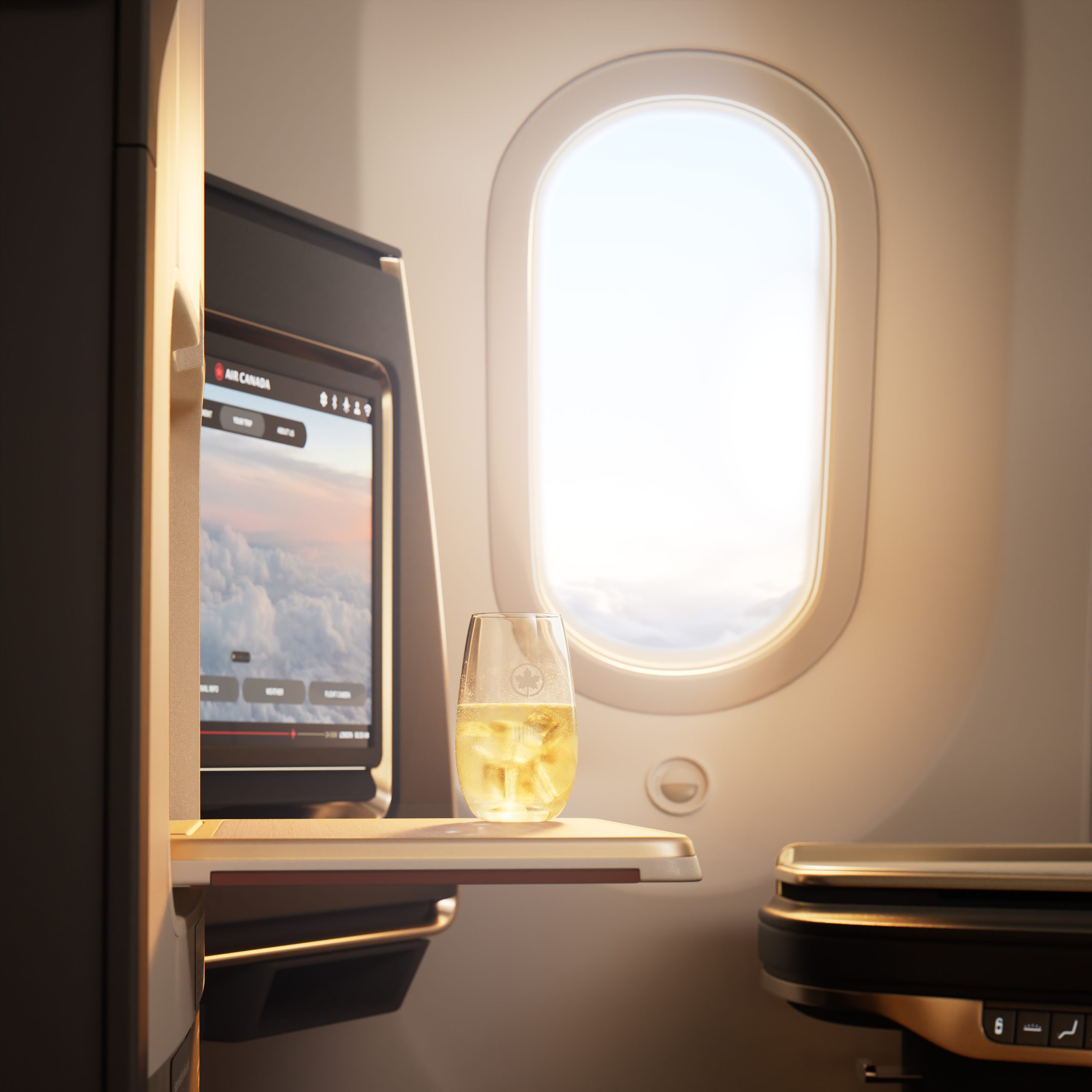
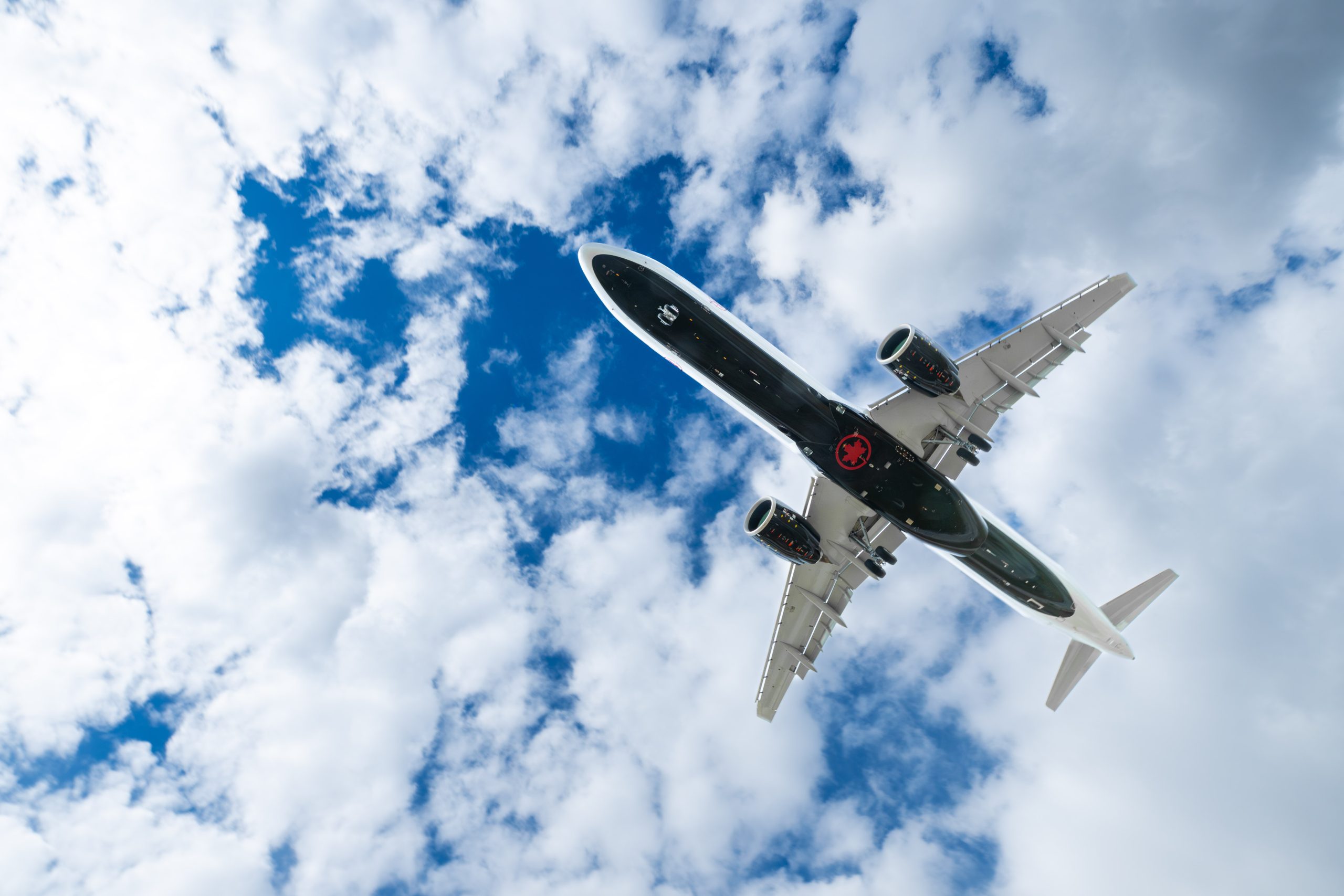
The largest changes sit within Air Canada’s “Glowing Hearted” cabin programme, described by the carrier as its most significant cabin investment to date.
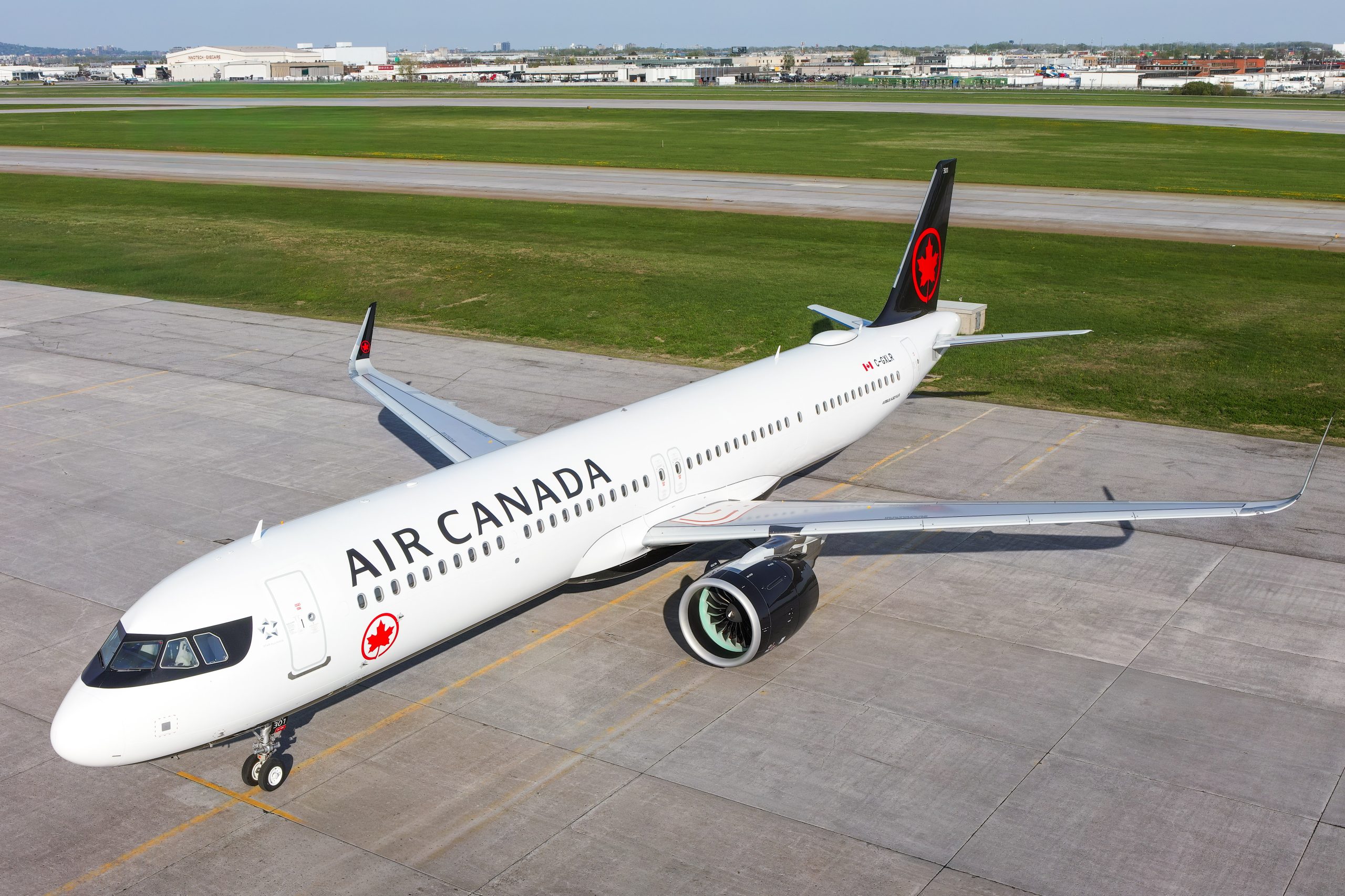
The first expression of the design entered service in June 2026 on the Airbus A321XLR. That aircraft introduces 14 lie-flat Signature Class seats, the first such product offered by a Canadian airline on a single-aisle aircraft, and gives Air Canada greater flexibility on transatlantic and transcontinental routes.
Across the redesigned cabins, passengers receive larger overhead bins, ergonomic seats, high-powered USB-C and AC outlets, Bluetooth audio and 4K OLED entertainment screens. Premium Economy seats add extended privacy wings.
The more relevant aircraft for ultra-long-haul travellers will be the forthcoming Boeing 787-10 Dreamliner. It will debut Air Canada Signature Plus, a four-suite product at the front of the cabin with two-metre beds, guest seating and greater privacy. The two centre suites can be opened to create a shared space for customers travelling together.
A wave-like entrance monument inspired by Canada’s waterways and a bronze Air Canada rondelle will establish the visual identity on boarding, while larger screens and redesigned seating will extend through the rest of the aircraft. Air Canada’s official cabin announcement sets out the full specifications.
Air Canada has not confirmed that the 787-10 or its Signature Plus product will be deployed on the Singapore–Vancouver route. The new cabins were showcased as part of the airline’s broader direction, not announced as an immediate replacement for the route’s existing 787-9.
Until that changes, the tangible developments for Singapore passengers are the direct Dreamliner service, evolving food and amenity programme, planned international Wi-Fi expansion and improvements to the experience at Vancouver International Airport.
Vancouver as a North American gateway
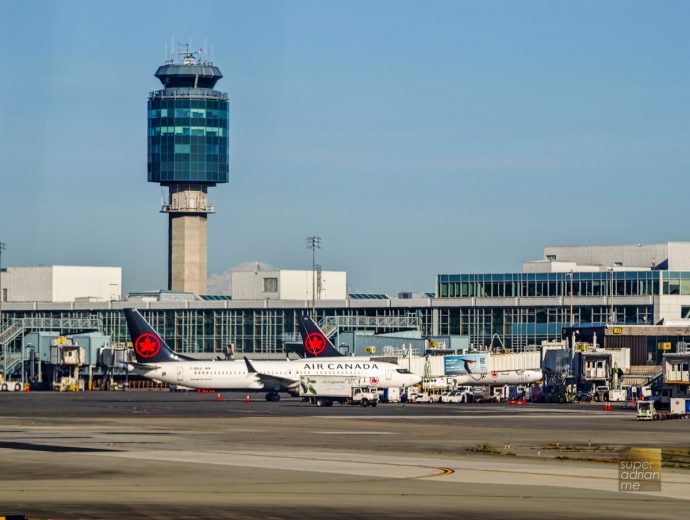
Vancouver International Airport is integral to Air Canada’s argument for the route. It is not only the arrival point for British Columbia but also a connecting hub for flights across Canada, the United States and parts of Latin America.
During my journey, YVR’s manageable layout proved one of its greatest strengths. Domestic, international and US-bound facilities are connected within the same terminal complex, while eligible itineraries allow checked baggage to continue to the next flight without being reclaimed and rechecked.
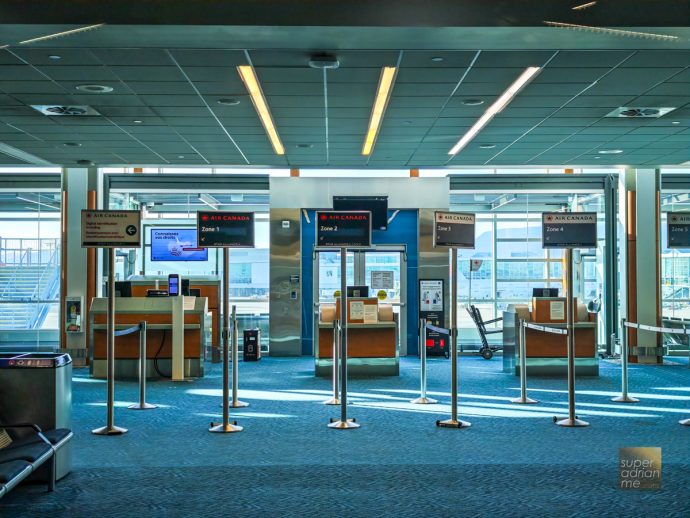
Passengers connecting to the United States can complete immigration and customs formalities at YVR before departure through US pre-clearance.
The airport’s use of natural light, water features and First Nations art also gives it a stronger sense of place than the anonymous corridors found at many international hubs. In my earlier account, I described it as feeling “more like a relaxing public space than a chaotic transport hub.”
Eligible passengers can use Air Canada’s Maple Leaf Lounge in the international terminal, which offers showers, quiet areas, runway views and a buffet of hot and cold dishes. Air Canada has also been developing additional premium spaces at Vancouver, including an Air Canada Café and Signature Suite.
For travellers ending their journey in the city, the Canada Line connects YVR with downtown Vancouver in approximately 25 minutes.
Vancouver, then and now
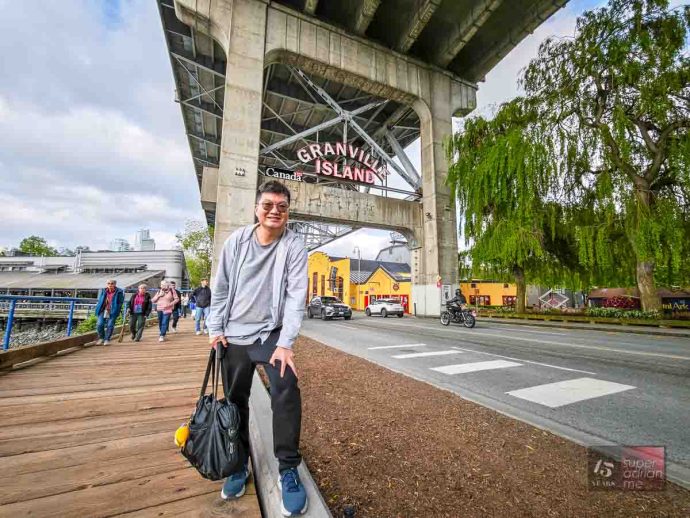
Vancouver’s appeal is personal for me. It was the first Canadian city I visited, arriving in 1990 at the age of 17 while studying in Carbondale, Illinois. Relatives introduced me to Chinatown, Gastown’s Steam Clock, Granville Island Public Market and the Capilano Suspension Bridge.
For a young Asian traveller, Vancouver also offered an unexpected sense of belonging. Its sizeable Asian communities, Cantonese conversations and wealth of Chinese and other Asian food made the city feel less foreign than its distance from Singapore might suggest.
More than three decades later, I returned in May 2025 aboard Air Canada’s nonstop flight. As I wrote after the journey: “The skyline had changed. The city had evolved. But the feeling? Still the same.”
During the three-day visit supported by Destination Vancouver, I retraced parts of that earlier journey. An Aquabus ride brought us back to Granville Island Public Market, where counters filled with smoked salmon, bread, coffee, cheese, charcuterie, fruit and pastries remain part of the pleasure. Galleries, studios and independent shops make the island more than a stop for lunch.
Stanley Park provided another reminder of Vancouver’s unusual relationship with nature. A horse-drawn carriage journey passed several of the park’s landmarks before we continued to Prospect Point for views of the Lions Gate Bridge. Lunch at Stanley Park Brewing Restaurant and Brewpub brought craft beer, wings, prawns and pizza into the equation.
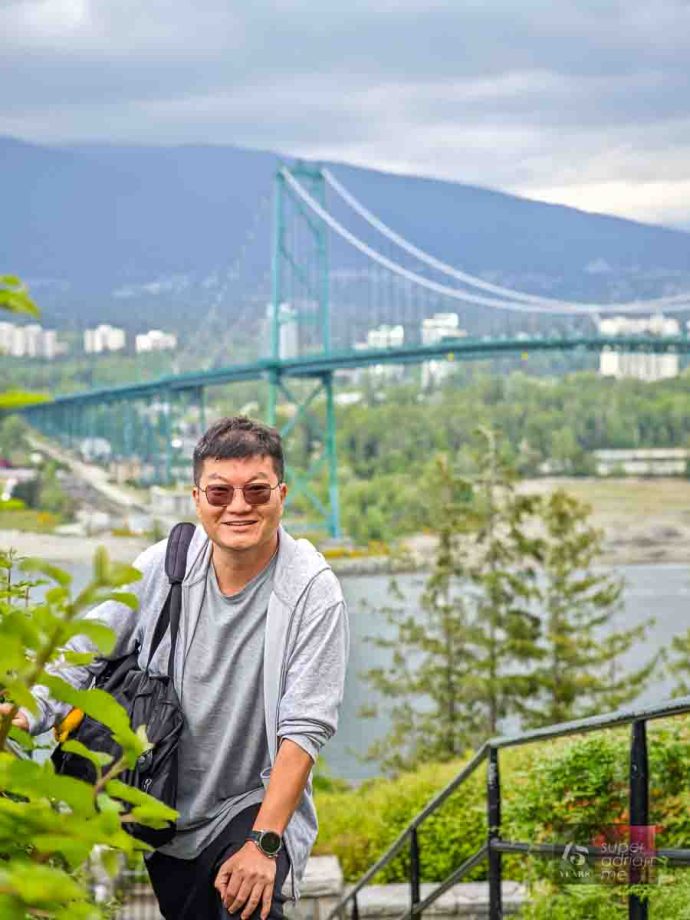
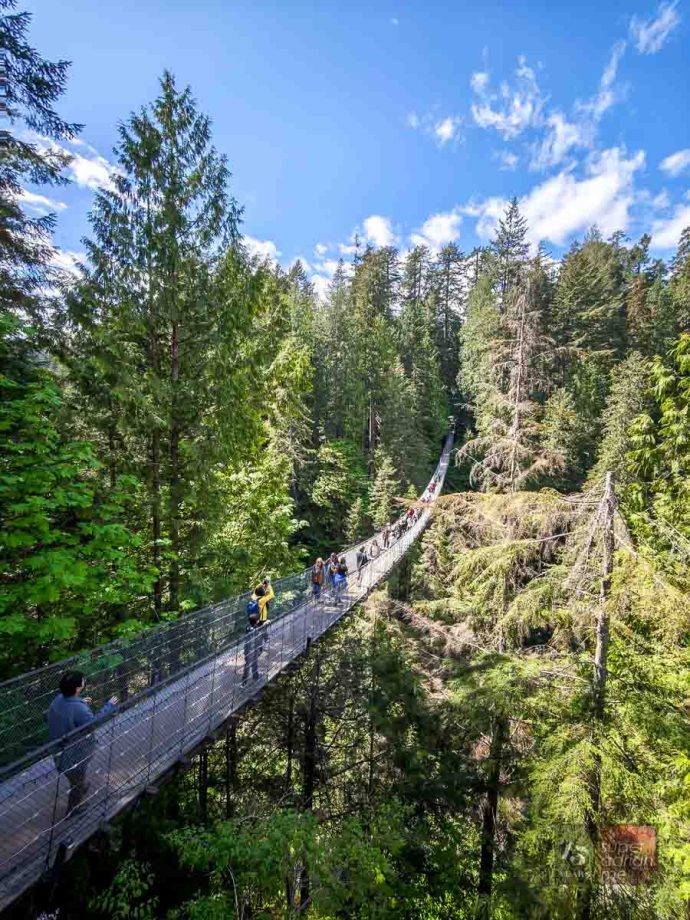

We also revisited Capilano Suspension Bridge Park, which has expanded beyond its 137-metre suspension bridge to include Treetops Adventure and the Cliffwalk. At Grouse Mountain, a short Skyride climbed above the city to mountain views and the wildlife refuge housing resident grizzly bears Grinder and Coola.
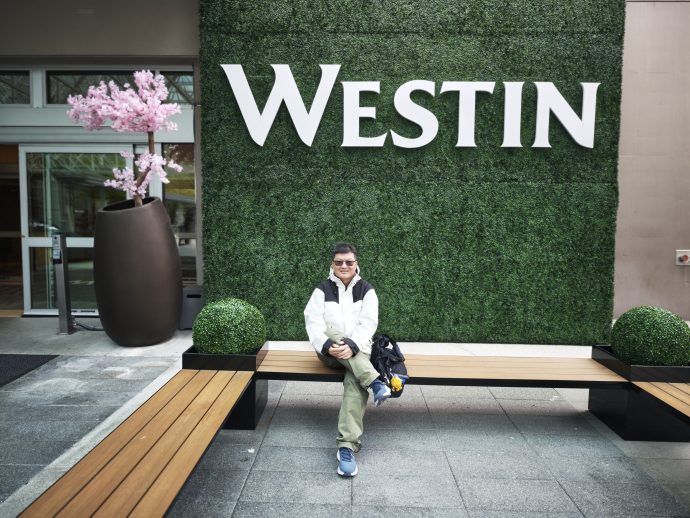
The Westin Bayshore made an appropriate base for the return. Located beside the harbour at the edge of Stanley Park, it offered views of cruise ships and seaplanes while keeping downtown within walking or cycling distance. Its position encapsulated one of Vancouver’s enduring strengths: travellers rarely need to choose between an urban break and access to nature.
The experience is documented in Vancouver Then and Now: A Nostalgic Return After Three Decades.
Vancouver after its global sporting moment
Hosting seven FIFA World Cup 2026 matches placed Vancouver before a global audience. Science World’s transformation into “The Beautiful Dome”—designed to resemble the tournament’s official match ball—became one of the host city’s most recognisable images, while a partnership with National Geographic CreativeWorks extended attention across British Columbia.
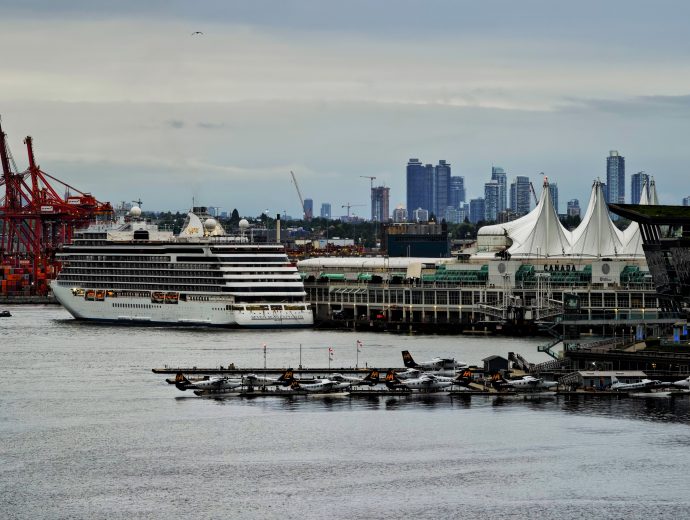
The greater test begins after the final whistle. Destination Vancouver is now seeking to convert that exposure into future leisure visits, conventions and investment. It expects 2027 to become the city’s busiest year for citywide conferences, potentially surpassing the previous 2018 record by close to 20%. Vancouver is also forecasting a record cruise season, with 358 ship calls and more than 1.4 million passengers.
The immediate tourism results are more nuanced. Downtown hotel occupancy stood at 75% as of 27 June, below the 91% recorded in June 2025. However, average room rates exceeded C$500 during the latter half of the month, approximately 30% higher year on year. Occupancy for July and August was forecast to exceed 90%, while short-term rental demand was pacing at double-digit growth.
The tournament’s lasting value will depend on whether its international exposure generates future holidays, conferences and major events. Read the full Destination Vancouver release.
Vancouver is well positioned because its appeal does not depend on a single event. Stanley Park, English Bay, Gastown, Chinatown, Yaletown and Granville Island are concentrated around a compact centre, while Capilano Suspension Bridge Park and Grouse Mountain can be incorporated into a short itinerary without another flight or an extended road journey.
Families can explore Science World, the Vancouver Aquarium, FlyOver Canada and the Museum of Anthropology. Travellers seeking a slower pace can combine waterfront walks and forest trails with yoga, spa treatments and guided forest-bathing experiences. Winter adds another dimension through the Peak of Christmas at Grouse Mountain and Canyon Lights at Capilano Suspension Bridge Park.
The World Cup may have created an immediate reason to visit, but Vancouver’s enduring appeal lies in its combination of urban culture, diverse food and easy access to nature.
A city best understood through food

Vancouver’s culinary identity reflects its position on the Pacific and the communities that have made the city home.
Michelin-recognised restaurants operate alongside Chinese barbecue shops, Japanese izakayas, Punjabi kitchens, seafood restaurants, craft breweries and public markets. Granville Island remains a convenient introduction, but some of the most rewarding meals are found farther from the downtown core, particularly in Richmond.
Indigenous food offers another route into the region’s history. Salmon n’ Bannock, owned by Nuxalk Nation member Inez Cook, serves wild salmon, game meats and bannock at its Vancouver bistro. Its “On the Fly” location after security in YVR’s international departures area provides a final taste of the West Coast before leaving Canada. Destination Vancouver’s Indigenous food guide provides additional context.
The link between city and airline continues onboard. Vancouver-based chef David Hawksworth has helped develop menus for Air Canada’s international Signature Class service.
What feeling welcome means
Vancouver markets itself as an inclusive destination, but “welcoming” carries practical significance for LGBTQ+ travellers.
Booking.com’s 2026 Travel Proud research surveyed 13,331 LGBTQ+ travellers across 19 markets, including 219 respondents in Singapore. Only 41% of the Singapore respondents said they were out while travelling, while 58% were willing to conceal their identity to experience a bucket-list destination.
The research also found that 66% of Singapore LGBTQ+ travellers continually assessed their surroundings before showing affection to a partner in public. More than half said they were taking greater precautions when travelling than they had a few years earlier.
These findings are not specific to Canada. Instead, they show the questions LGBTQ+ travellers may consider when choosing any destination: whether couples feel able to be themselves, how hotels respond to them and whether visible communities and reliable local information are available.
Vancouver has a prominent 2SLGBTQ+ community centred historically on Davie Village. The neighbourhood is home to rainbow crossings, Jim Deva Plaza, independent businesses, nightlife and community spaces, while the wider West End places visitors close to English Bay and Stanley Park.
This visibility can be reassuring, but no destination should be reduced to a blanket promise of safety. Experiences vary according to identity, neighbourhood and circumstance. Hotels and tourism businesses therefore still have a responsibility to train staff, respect names and pronouns, and provide accurate information rather than relying on rainbow branding alone.
Loyalty extending beyond the flight
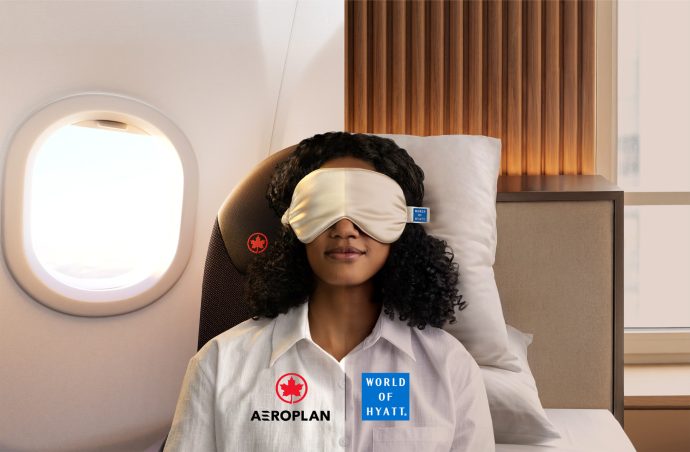
Air Canada’s wider travel proposition has also expanded through a partnership between Aeroplan and World of Hyatt.
Members can link their accounts and access new ways to earn and redeem rewards. Aeroplan points can be redeemed for selected World of Hyatt Free Night Awards starting at 25,000 points, while World of Hyatt members can redeem points for an Aeroplan flight reward certificate.
Members may also elect to earn 500 Aeroplan points on an eligible Hyatt stay instead of World of Hyatt points. World of Hyatt points can be converted to Aeroplan points at a 2:1 ratio, starting from 5,000 Hyatt points. Aeroplan elite members or holders of eligible Canadian-issued Aeroplan credit cards enjoy World of Hyatt status challenges and accelerated earning.
The ability to connect the two programmes is useful for travellers already participating in both ecosystems. Full conditions are available from the Hyatt and Aeroplan partnership announcement.
Looking beyond Vancouver
Vancouver may be the entry point, but the direct flight also makes a broader Canadian itinerary more practical.
Air Canada’s domestic network can connect travellers to cities including Calgary, Toronto, Ottawa and Montreal. Rail journeys, domestic flights and road trips can then extend the holiday beyond the major gateways.
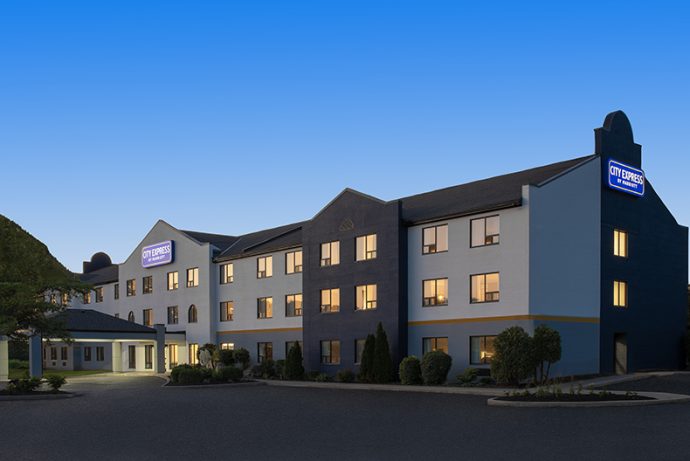
One recent development is the opening of the 91-room City Express by Marriott Port Hope, the brand’s first property in Canada.
Located beside Ontario’s Highway 401, Port Hope sits within reach of Toronto, Kingston, Ottawa and Prince Edward County. Its historic centre, Capitol Theatre, Ganaraska River and Lake Ontario waterfront make it more than a motorway stop.
The hotel is positioned in the affordable midscale segment, with complimentary breakfast, Wi-Fi, fitness facilities, a self-service coffee station and a 24-hour marketplace. It will be most useful to travellers building a self-drive Ontario itinerary rather than remaining exclusively in downtown Toronto.
Its opening also signals a broader change in Canadian accommodation: international groups are expanding beyond luxury and full-service hotels into simpler properties designed for road trips, regional stops and value-conscious stays.
Bringing a Canadian classic home
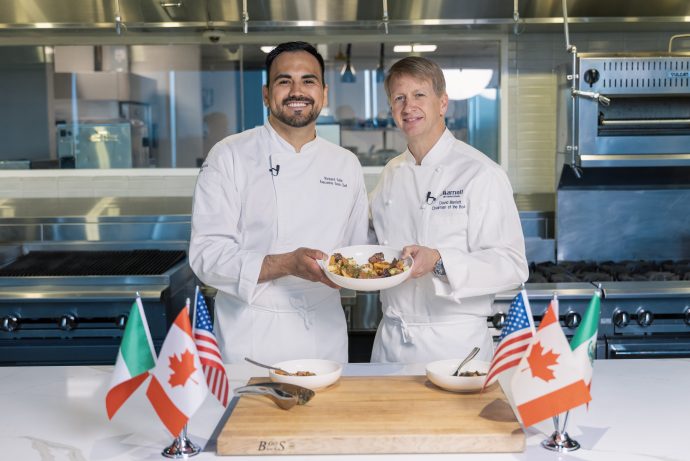
Poutine provides an accessible way to continue the Canadian journey after returning to Singapore. Originating in Quebec, the dish traditionally combines French fries, cheese curds and hot brown gravy. The key is contrast: crisp fries, curds that soften without disappearing, and gravy added immediately before serving.
For Marriott International’s The Pleasure of Cooking with You video series, David Marriott joined Richard Salas, Executive Sous Chef at The St. Regis Toronto, to prepare an elevated version featuring Montreal-spiced steak.

The recipe begins with a brown gravy made from beef or dark chicken stock, butter and flour, seasoned with steak sauce, maple syrup and Worcestershire sauce. Bavette or flank steak is rubbed with Montreal steak seasoning and grapeseed oil before being grilled, rested and sliced against the grain.
For the fries, russet potatoes can be blanched and fried until golden. The recipe also suggests an air-fryer alternative. To assemble, place the fries on a platter, scatter over cheese curds and sliced steak, spoon on the hot gravy and finish with chopped chives and grated horseradish.
The most useful professional tip is also the simplest: pour on the gravy only when the dish is ready to be served so the fries retain their texture.
The original Marriott poutine feature and cooking video provides the complete recipe. For home cooks in Singapore who cannot easily find fresh cheese curds, a mild, low-moisture cheese can reproduce some of the flavour, although it will not provide poutine’s characteristic squeak and texture.
Which Canada package tours are available from Singapore?
Canada’s scale can make independent planning more complicated than the flight itself. Vancouver, Banff, Jasper, Toronto, Montreal and Quebec City are separated by considerable distances, while the country’s national parks often require coach transfers, advance reservations and seasonal planning.
For first-time visitors, an escorted package can remove much of that logistical work. Singapore travel agencies currently offer two main formats: western itineraries built around Vancouver and the Canadian Rockies, and eastern programmes combining Canadian cities with Niagara Falls and the United States.
| Operator | Main itinerary | Best suited to | Important caveat |
|---|---|---|---|
| CTC Travel | Vancouver and Canadian Rockies | First-time Rockies visitors | Not every departure uses Air Canada |
| Chan Brothers | Seasonal Canada programmes | Travellers wanting a Singapore tour leader | Live itineraries change |
| Insight Vacations | Premium guided land tours | Travellers arranging their own flights | Prices displayed in US dollars |
| CTC/EU Holidays | Eastern Canada and USA | Travellers wanting maximum city coverage | Fast pace and two-country entry requirements |
Vancouver and the Canadian Rockies
CTC Travel’s 10-day, seven-night Canadian Rockies Summer Vacation begins with Vancouver attractions such as Gastown’s Steam Clock, Stanley Park and Queen Elizabeth Park before travelling inland.
The programme covers Okanagan Lake and several major national parks, including Glacier, Yoho, Banff and Jasper. The Columbia Icefield is one of its principal natural attractions. Seven nights in three- or four-star hotels are included, together with seven breakfasts, three lunches and three dinners.
Selected departures are scheduled on Air Canada’s nonstop AC20 and AC19 services between Singapore and Vancouver. Other departure dates use connecting flights through Taipei.
This style of itinerary suits travellers who want to see the Rockies without driving. It also reduces the work involved in arranging national-park accommodation during the busy summer and early-autumn seasons. The trade-off is pace: several destinations are covered within a relatively short period, leaving less time for independent walks, longer hikes or spontaneous stops.
Chan Brothers Travel also markets a changing selection of Canada holidays from Singapore, including itineraries associated with the Canadian Rockies and northern experiences such as aurora viewing. As departures and programmes change seasonally, travellers should use its Canada page to check currently available tours.
For those who already have flights or prefer a more premium guided-tour format, Insight Vacations offers several land-based Canada programmes. Its listed itineraries include an eight-day Alberta tour covering Banff, Jasper and the Columbia Icefield; a 14-day Canadian Rockies and Pacific Coast journey beginning in Vancouver and continuing into the United States; and a 12-day exploration of the Canadian Maritimes.
Insight’s programmes place greater emphasis on guided experiences, smaller-group touring, upgraded accommodation and regional dining. However, prices on its Singapore-facing website are quoted in US dollars, and travellers should establish whether international flights, airport transfers and pre- or post-tour accommodation are included.
Eastern Canada and Niagara Falls
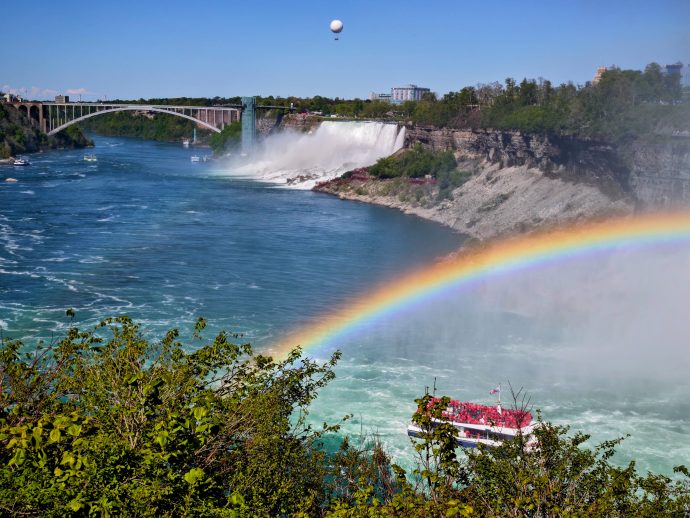
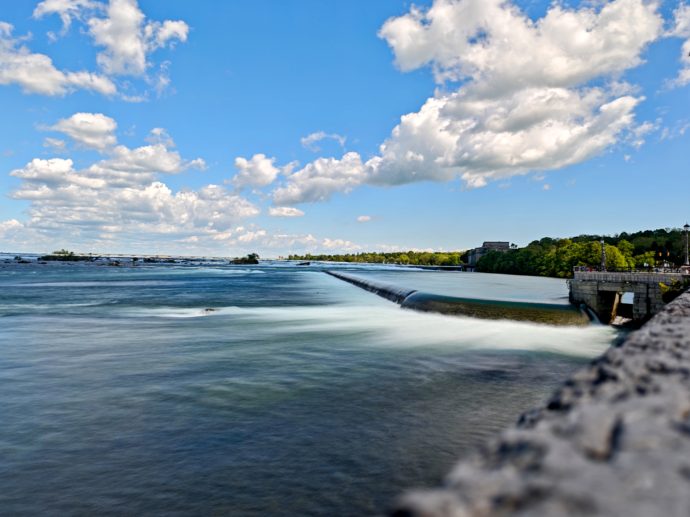
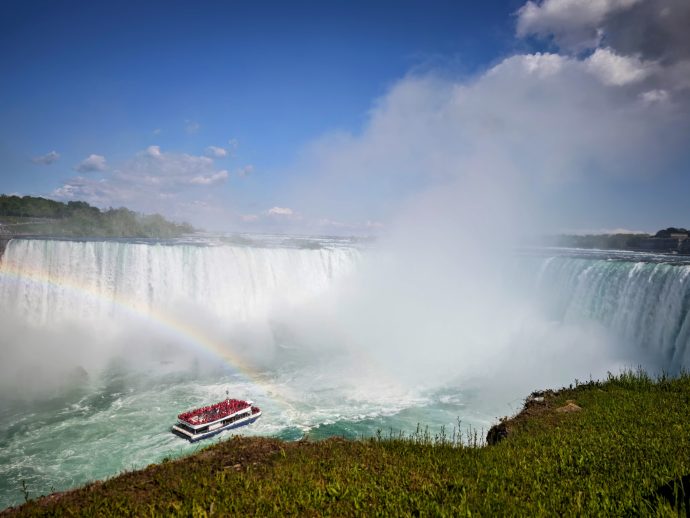

Eastern Canada packages typically cover a larger number of cities and frequently incorporate the northeastern United States.
CTC’s 14-day, 11-night Eastern USA and Canada tour combines New York, Philadelphia, Washington and Boston with Niagara Falls, Toronto, Ottawa, Montreal and Quebec City.
Canadian highlights include a Niagara Falls cruise, Toronto’s CN Tower, Parliament Hill and the Rideau Canal in Ottawa, Old Montreal and Notre-Dame Basilica, and the historic centre of Quebec City. The itinerary includes 11 hotel nights, 11 breakfasts, one lunch and six dinners.
The programme provides breadth, but it should not be mistaken for a Canada-only holiday. A substantial portion takes place in the United States, and the itinerary involves multiple border crossings. Travellers must therefore check entry requirements for both countries, including whether they require a Canadian Electronic Travel Authorisation and a US ESTA or visa.
EU Holidays’ 14-day, ten-night Epitome of East Coast and Canada follows a broadly comparable route. It combines New York, Philadelphia, Washington and Boston with Niagara Falls, Toronto, Ottawa, Montreal and Quebec City.
Its advertised inclusions feature four-star accommodation, ten breakfasts, one lunch and five dinners. Listed specialities include a Western steakhouse meal, Boston lobster, a Maine lobster roll and New England clam chowder. Optional activities such as a Niagara Falls helicopter ride, Thousand Islands cruise and Montmorency Falls visit cost extra, as does the tour’s stated service fee.
Insight Vacations offers another variation through its 14-day Best of Eastern Canada and USA programme, covering Toronto, Niagara Falls and Montreal before continuing through Boston, Philadelphia and New York. Its separate Canadian Maritimes itinerary travels through Nova Scotia, Cape Breton and Prince Edward Island, providing an alternative for visitors more interested in coastal communities and regional food than the standard Toronto-to-Quebec corridor.
What to check before booking
Advertised package prices do not always represent the final cost. Travellers should compare:
- Whether the international flights are nonstop or require a connection.
- Airport taxes and fuel-related surcharges.
- Guide and driver gratuities or mandatory service fees.
- Canadian and US travel-authorisation costs.
- The number of included meals.
- Optional excursions that appear in the itinerary but are not included in the base fare.
- Hotel locations, particularly when accommodation is outside the named city.
- The amount of free time provided at major attractions.
- Minimum group sizes and whether the departure has been confirmed.
- Cancellation conditions and the possibility of itinerary changes caused by weather, wildfires or road closures.
Published fares can also differ according to departure date, airline, room occupancy and promotion. Prices and availability cited by operators were current when checked on 21 July 2026 and should be verified directly before payment.
A package tour is most compelling for travellers who value predictable transport, luggage handling, a Singapore-based tour leader and a prearranged sequence of major sights. Independent travel remains preferable for those who want several days in Vancouver, more time on hiking trails or the freedom to select their own restaurants and accommodation.
A hybrid itinerary may offer the best balance: begin with several independent days in Vancouver after arriving on Air Canada’s nonstop flight, then join a guided Rockies programme. This preserves time to experience the city properly while leaving the more complicated mountain transport and national-park logistics to an operator.
A shorter flight path, a wider Canadian journey
Air Canada’s nonstop service has changed the practical calculation for Singapore travellers. Vancouver is no longer simply a distant stop on a wider North American itinerary; it can be the beginning of a Canadian journey in its own right.
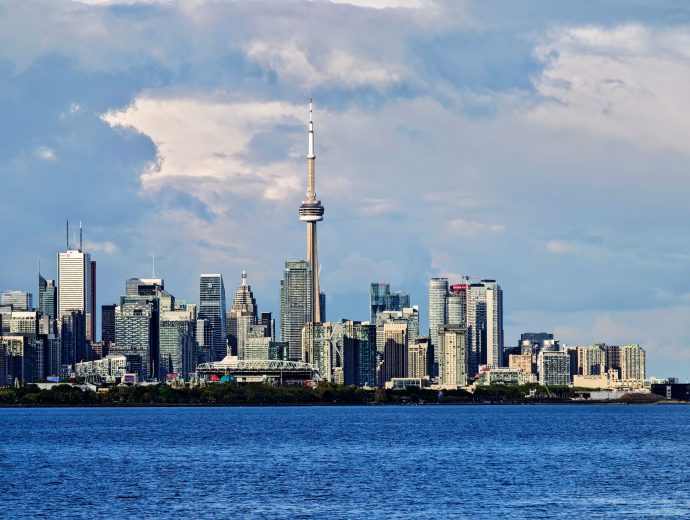
The airline’s forthcoming cabins may improve that journey, but they are only part of the story—and they are not yet confirmed for the Singapore route. What travellers can use today is the direct connection: arrive in Vancouver, spend several days exploring the city and then continue independently or join an escorted tour through the Canadian Rockies. Those drawn to Toronto, Niagara Falls, Ottawa, Montreal and Quebec City can instead choose an eastern itinerary, although many packaged programmes combine Canada with the United States and involve a considerably faster pace.
My return to Vancouver after more than three decades gave the route a more personal meaning. The city had grown and its skyline had changed, yet its multicultural character, proximity to nature and sense of familiarity remained. Vancouver still rewards the experiences that cannot be reduced to a checklist: crossing False Creek by Aquabus, walking beside the harbour, eating through Granville Island Market or looking back at the city from the mountains.
Canada’s appeal likewise extends beyond the World Cup, a new hotel opening or an airline announcement. It lies in the possibility of combining distinctly different journeys: cities and wilderness, Indigenous and immigrant food cultures, independent exploration and guided touring. For LGBTQ+ visitors and other travellers concerned about belonging, genuine hospitality must also be measured through lived experience and consistent service, not merely destination slogans.
The direct flight removes one obstacle, but it does not prescribe the holiday. Travellers can build a short Vancouver break, a national-park journey, a cross-country itinerary or a multi-city escorted tour around it.
That may ultimately be the route’s greatest value. Air Canada has made Canada easier to reach from Singapore. What travellers choose to discover after landing is now a much wider story.
Disclosure: Air Canada sponsored the writer’s international flights. Destination Vancouver supported the May 2025 destination programme. All observations and opinions remain the writer’s own. Product features, flight schedules, entry requirements and loyalty benefits may change; travellers should verify current information before booking.