

Who would have imagined a visit to a chicken egg farm in Taiwan could be so captivating? Yet, that’s precisely what we experienced during our recent annual trip here in May 2026. Such an experience is a rarity in land-scarce Singapore and other contemporary urban settings. Pose the question to children about the origin of eggs, and few may be able to provide an answer. Consequently, this offers an equally enlightening and enjoyable activity for both adults and children alike.
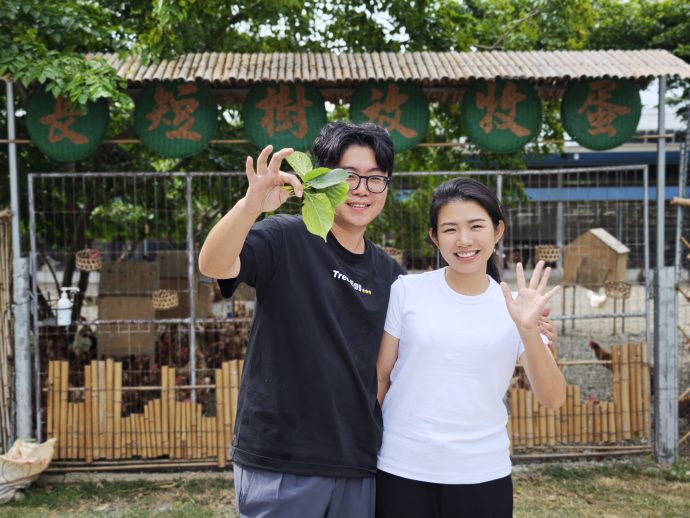
Tree Egg (長短樹放牧蛋) in Tainan’s Houbi District, is a nascent farm, merely three years old, diligently managed by a dynamic husband-and-wife duo in their early thirties. We had the pleasure of meeting the exceptionally friendly couple, 32-year-old Wang Guan-Ze (affectionately known as 树哥, or Tree Brother) and 33-year-old Xiao Li-Zhen, who graciously shared their journey and intriguing insights into operating a chicken egg farm.
Guan-Ze’s connection with chicken farming goes back to childhood. According to Tree Egg’s own story, his family was already involved in poultry farming, and his earliest memories were of chickens running freely in spacious coops while his parents moved in and out of the chicken houses. It was only later that he realised not all hens were treated this way, with most egg-laying hens in Taiwan still kept in cage systems. That realisation became the starting point for Tree Egg’s animal-friendly approach.
The farm’s philosophy is simple: “善待雞,才有好蛋,” which translates to treat chickens well, and you get good eggs. This is also why the visit feels more like a food and agriculture lesson than a standard farm tour. Tree Egg is located in Changduanshu Village in Houbi District, Tainan, an area the farm describes as part of Taiwan’s “big granary” and a hometown of champion rice. That local rice connection also appears around the farm, from the surrounding paddy fields to the use of rice husks in the chicken house, turning what would otherwise be agricultural by-products into part of a circular farm system.
Li-Zhen’s past saw her as a security officer at Singapore’s Changi Airport, residing in Tampines. Her Singapore chapter still follows her in small ways. Li-Zhen remembers Laksa with cockles, Teh made with skimmed milk and sugar cane juice, the kind of everyday flavours that stay with you even after you have traded airport shifts for chickens, eggs and muddy farm boots.
She returned home just prior to the COVID-19 pandemic, a pivotal moment when they collectively decided to embark on this chicken farming venture. With a touch of humor, she quips, “我从机场来到了鸡场!”(I came from the airport to the chicken farm), highlighting the playful phonetic similarity between ‘airport’ and ‘chicken farm’ in Mandarin.
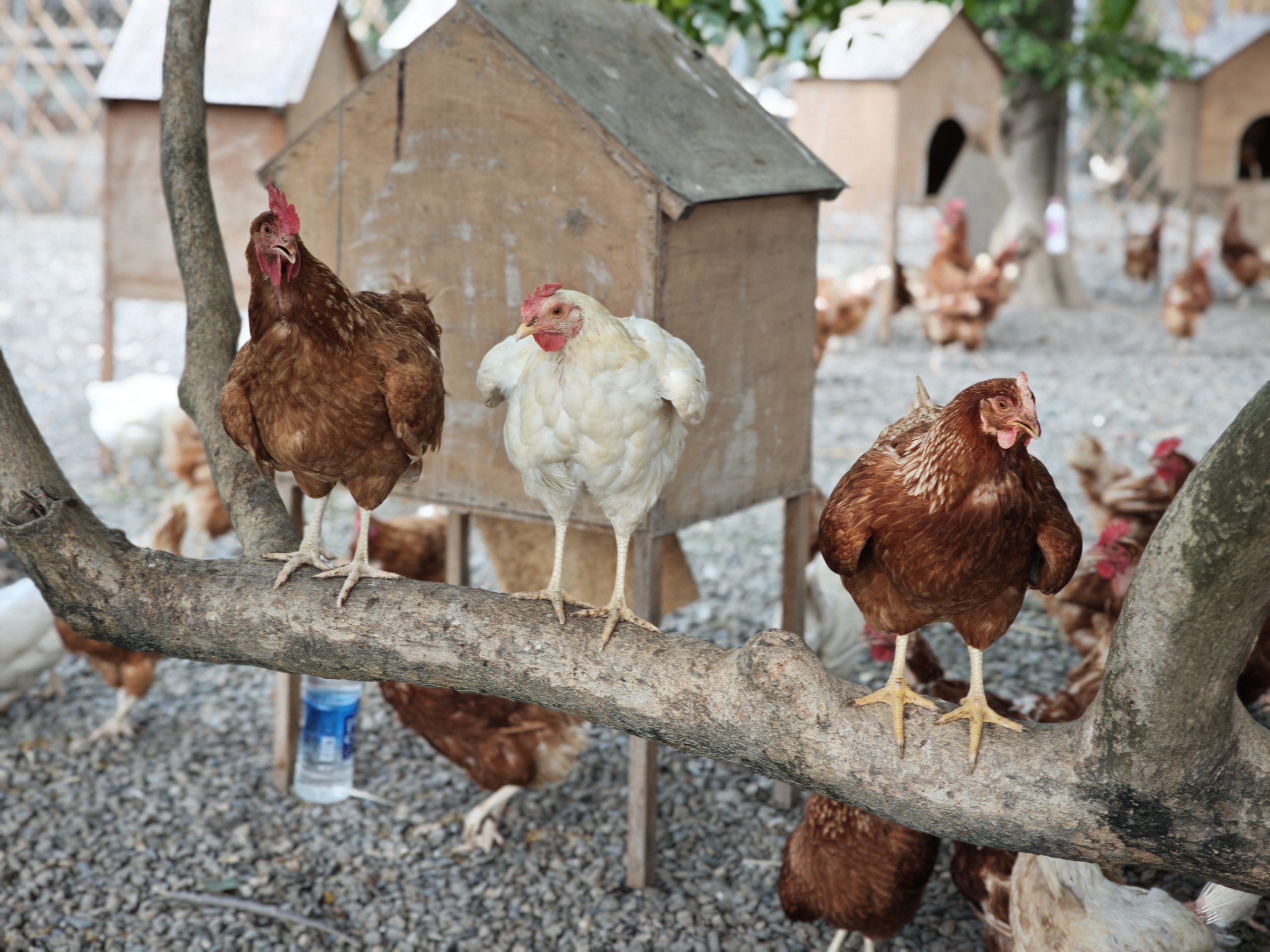
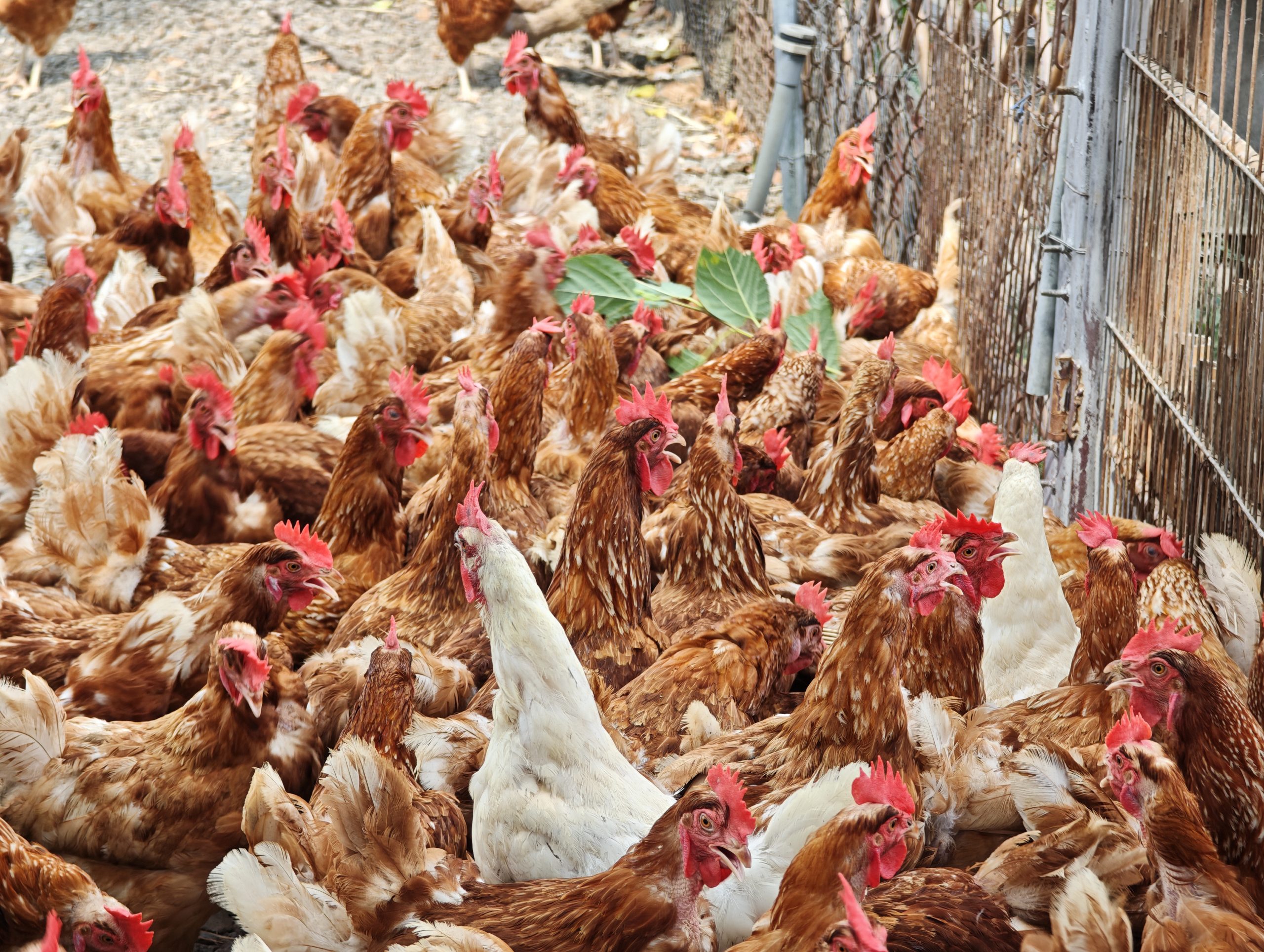
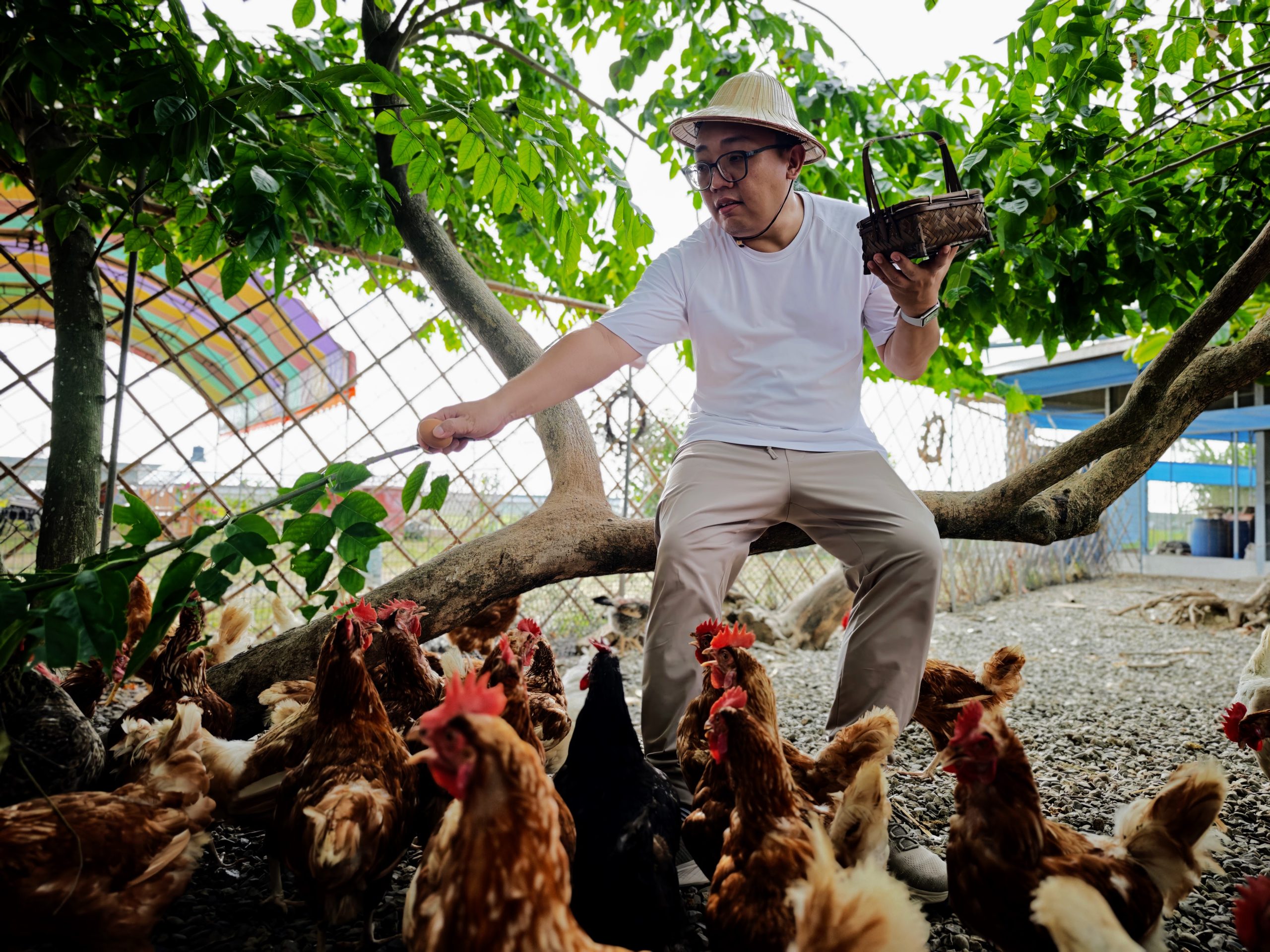
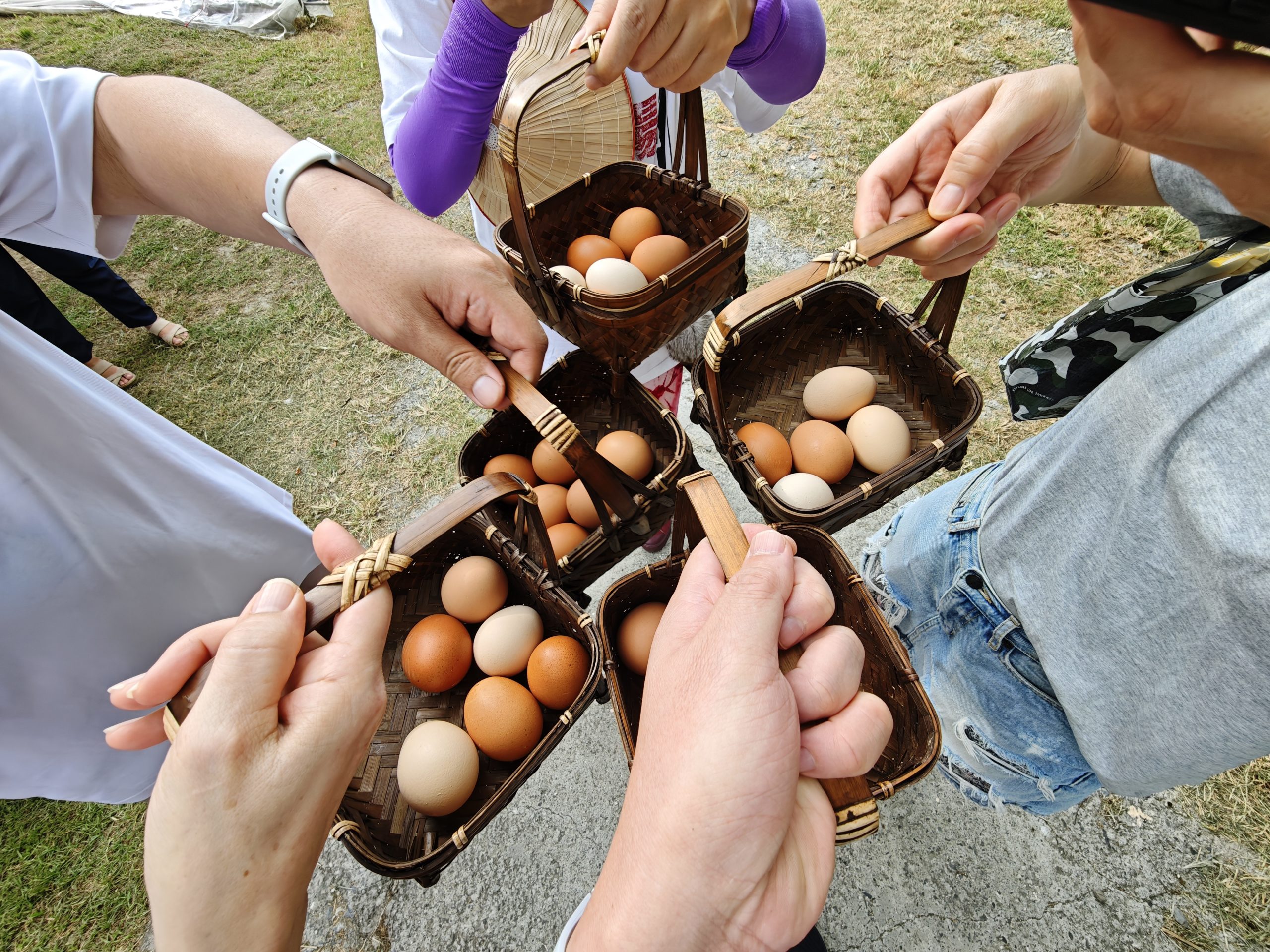
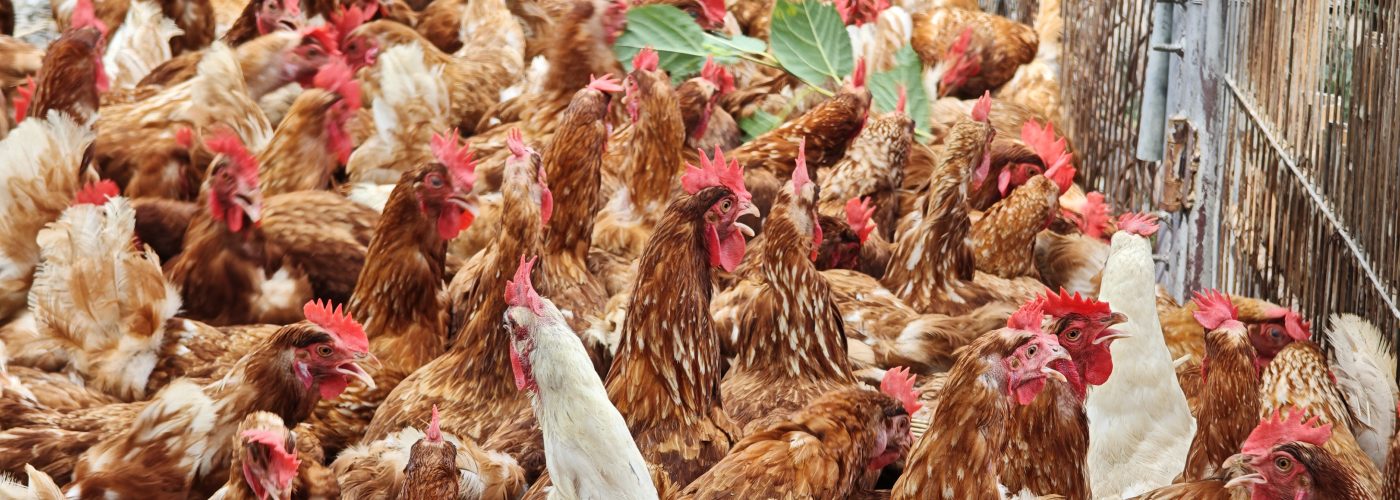
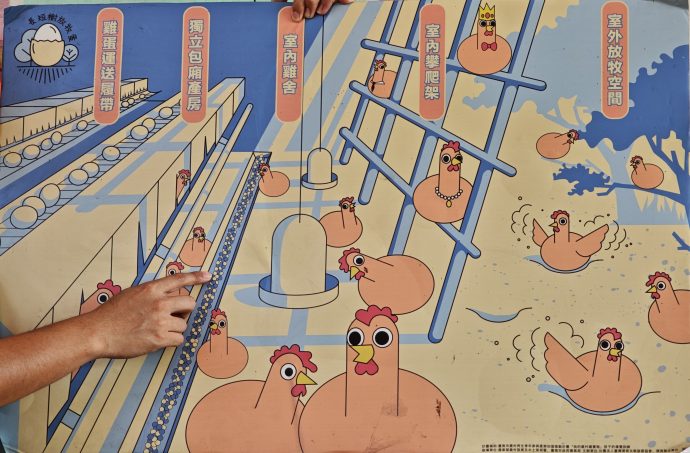
According to Guan-Ze, close to 80% of Taiwan’s egg-laying hens are still kept in cage-style systems. At Tree Egg, the farm takes a different route, with around 4,000 hens given more space to roam across its open-air and rear farming areas. Thus, the farm’s open-air space and expansive rear area comfortably accommodate up to 4,000 chickens, a stark contrast to other farms where caged sections occupying an identical land area might house up to 50,000 birds.
Types of Chicken Farming Environment
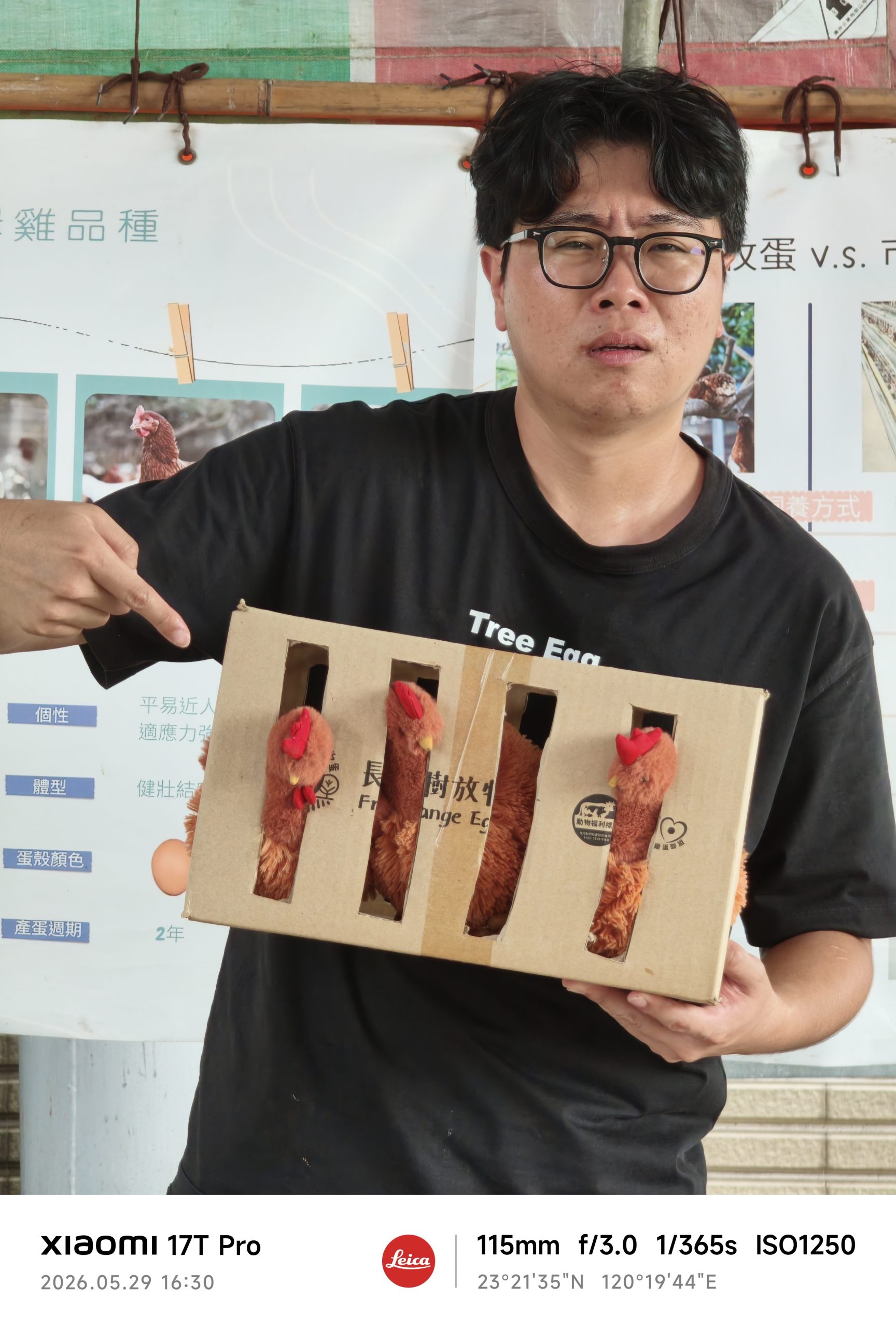
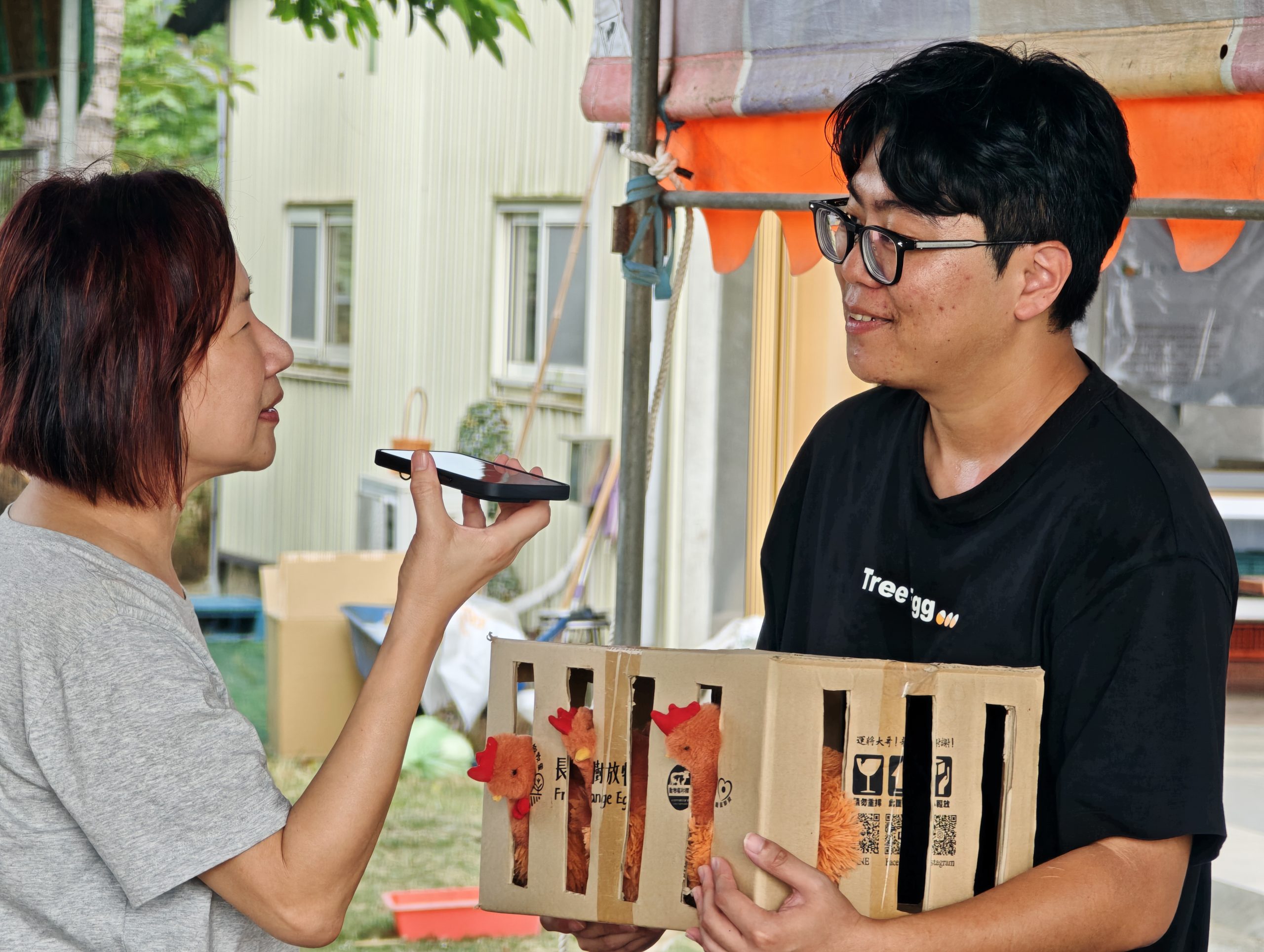
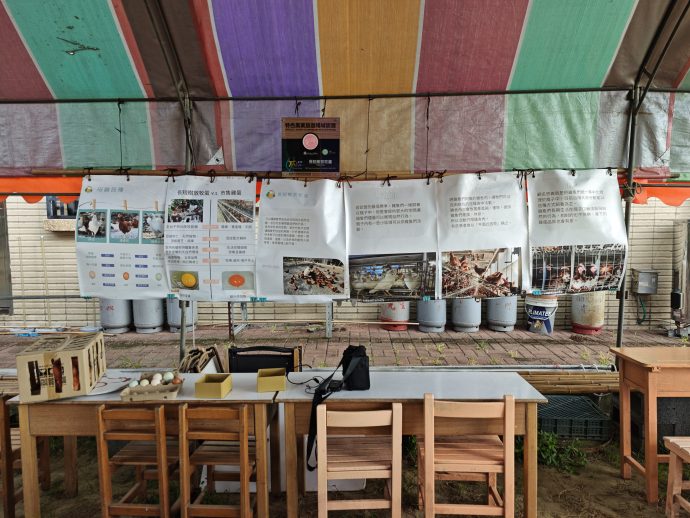
Guan-Ze illustrates this point by presenting a simple cardboard cage, within which three soft toy chickens are nestled. He uses this visual aid for visiting children, elucidating how a humane farmer might house two chickens in a single cage, whereas a less humane counterpart might cram up to four into the same space. Confined within cages, chickens are denied the fundamental ability to seek out a well-ventilated area for rest.
Beyond battery cages and free-range farming, other poultry farming methods encompass enriched cages (also known as furnished cages), which permit chickens to move more freely within a larger cage, yet they remain confined to an enclosed environment.
Additionally, there is Barn Farming, or indoor loose housing. The key distinction between barn farming and free-range farming lies in barn farming offering an indoor space where chickens can freely spread their wings and fly, though it notably lacks the outdoor free-range environment essential for activities like sunbathing.
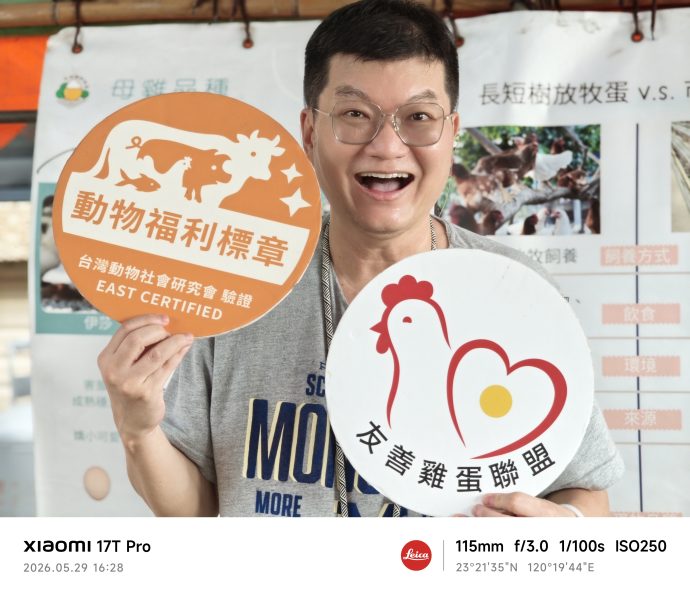
In Taiwan, organisations like the Certified Humane Egg Alliance and the Animal Welfare Label handle the region’s most rigorous certification processes. They conduct thorough inspections to ensure that agricultural practices genuinely meet humane standards.
Tree Egg Hens – Their Life and Living Conditions
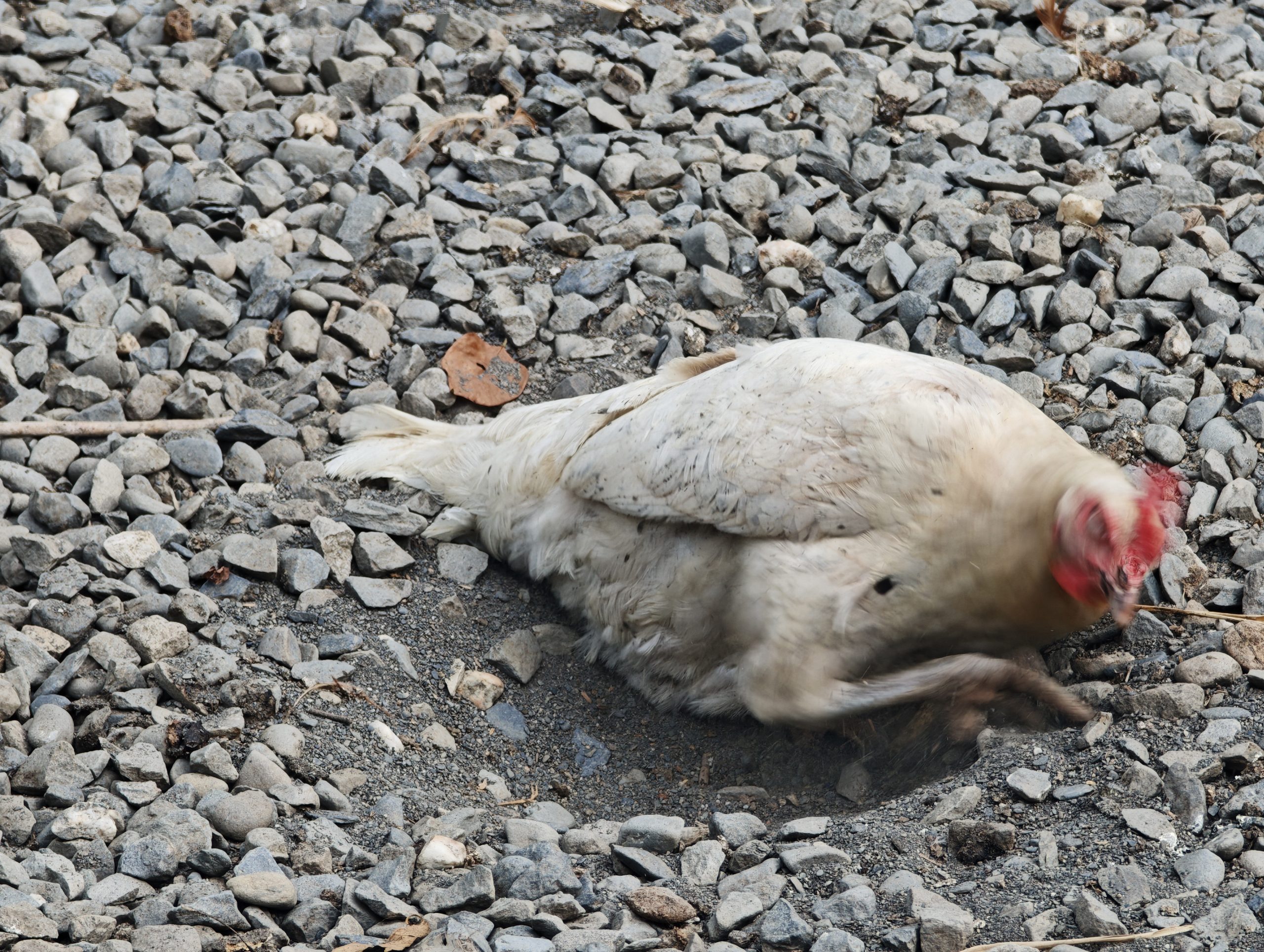
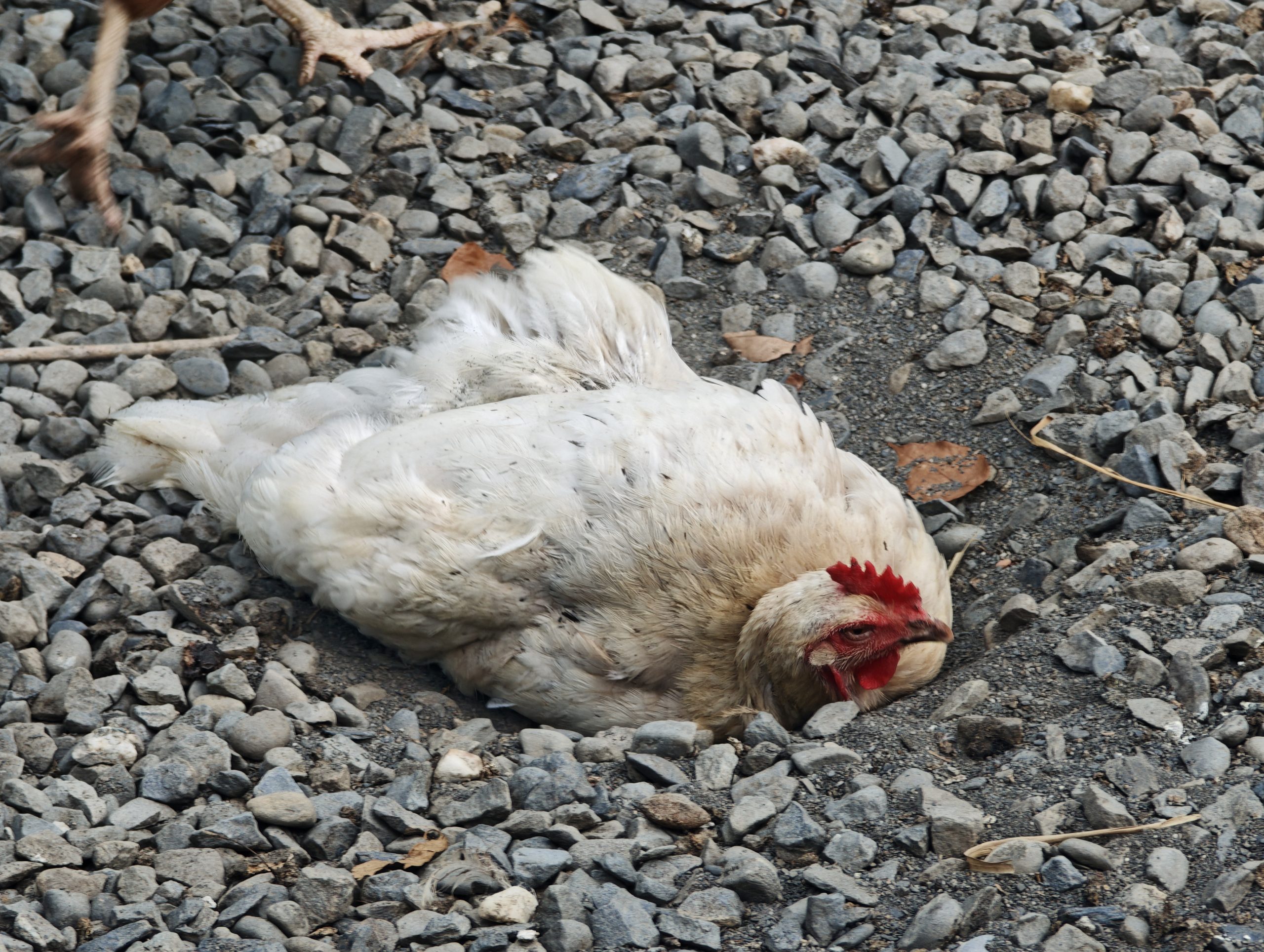
The hens here lead a rather relaxing life, roaming around during the day, basking in the sun. They take dust baths, rolling, wriggling and flapping in loose soil.
The fine dust works its way through their feathers, helping to absorb excess oil and remove parasites. It may look like messy fun, but dust bathing is an important natural behaviour that keeps chickens clean, comfortable and healthy.
And when it comes to meal time, they are fed Reishi Mushrooms (commonly known as Lingzhi) and flaxseed. Adding Reishi mushrooms (Ganoderma lucidum) to chicken feed offers a natural way to support healthier poultry. Rich in beneficial compounds such as polysaccharides and triterpenoids, Reishi can help strengthen chickens’ immune systems, support gut health and improve their ability to resist disease. It may also reduce reliance on synthetic additives and antibiotic growth promoters, helping hens stay healthy, productive and resilient through more natural feeding practices. These eggs contain six times the Omega-3 levels found in regular eggs.
According to Guan-Ze, laying hens usually have an egg-laying period of around two years. As they age, their productivity drops from about one egg a day to one egg every two or three days. At that point, many farms cull the hens or process them as food, a practical but uncomfortable reality of egg farming.
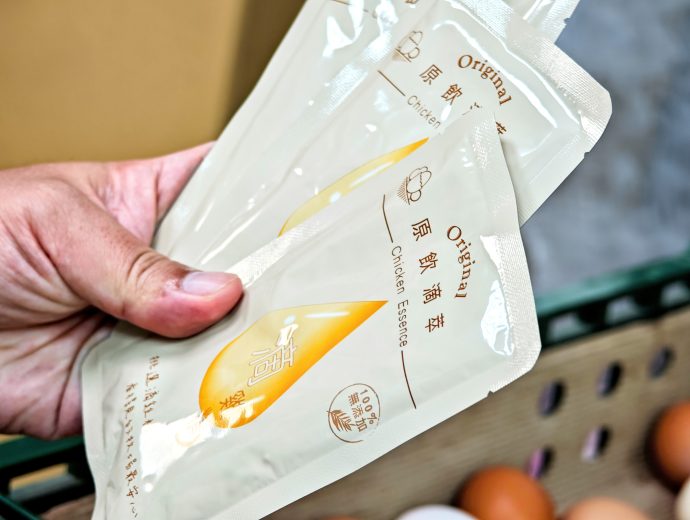
At Tree Egg, older hens are used to produce the farm’s distinctive chicken essence. Made from hens fed with reishi mushrooms, the essence is said to be rich in unique polysaccharides and free of the strong gamey taste often associated with chicken extracts. The result is a smooth, naturally sweet broth-like flavour that is closer to a comforting bowl of chicken soup than a heavy tonic.
Why are there different colours and sizes of Chicken Eggs?
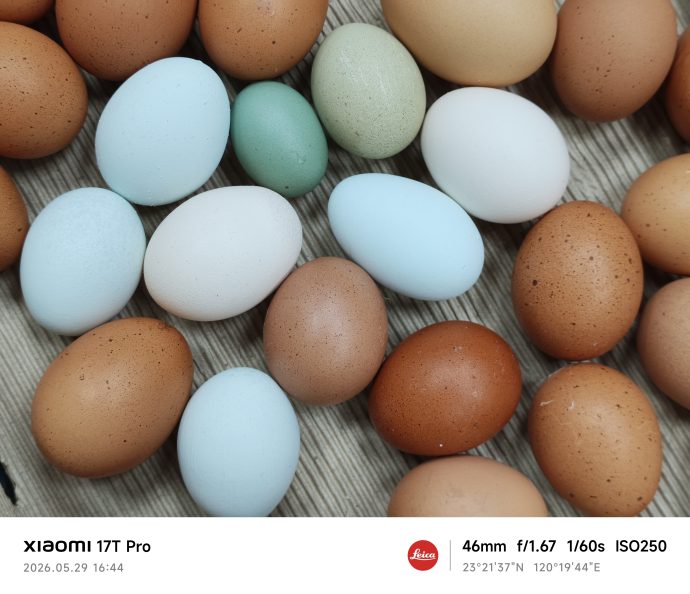
Fun fact: eggs come in different colours because of the breed of the hen. Some hens lay white eggs, while others lay brown, pinkish or even greenish eggs. This depends on the breed of hens. A Silkie chicken lays a greenish egg, while reddish-brown eggs are linked to Hendrix chickens from Holland.
The colour comes from natural pigments added to the eggshell as the egg forms. It may look different on the outside, but the shell colour does not usually change the taste or nutrition of the egg. They also do not indicate that one egg is inherently superior or more nutritious than another.
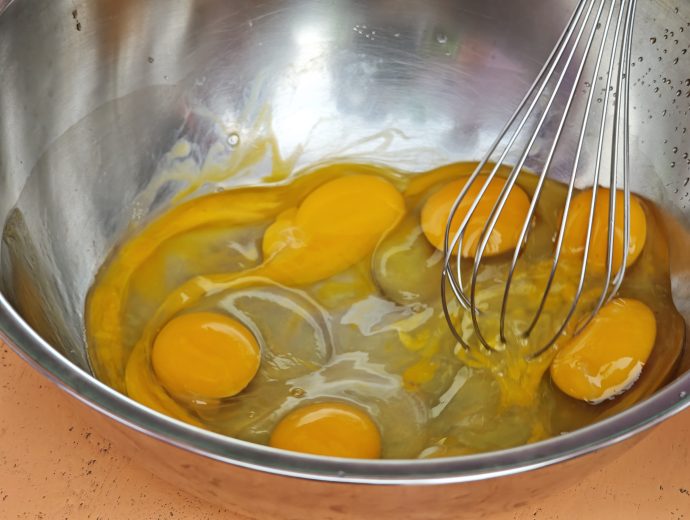
Yolk colour tells a different story from eggshell colour. While shell colour is largely determined by the hen’s breed, yolk colour is mainly influenced by diet. Hens that eat feed containing carotenoids, naturally occurring pigments found in ingredients such as corn, marigold, leafy plants and other plant-based materials, can produce yolks that appear deeper yellow or orange. Scientific studies have found that dietary carotenoids such as lutein and zeaxanthin can be deposited in egg yolks and affect yolk colour.
This is why a deep orange yolk does not automatically mean the egg is fresher, more natural or more nutritious. It may reflect a varied diet, but it may also come from feed ingredients chosen specifically to produce a richer yolk colour. The USDA notes that eggshell colour does not affect egg quality, and the same caution should be applied to yolk colour, it is not a simple case of “darker means better”. What matters more is the hen’s overall diet, health, living conditions, egg handling and freshness.
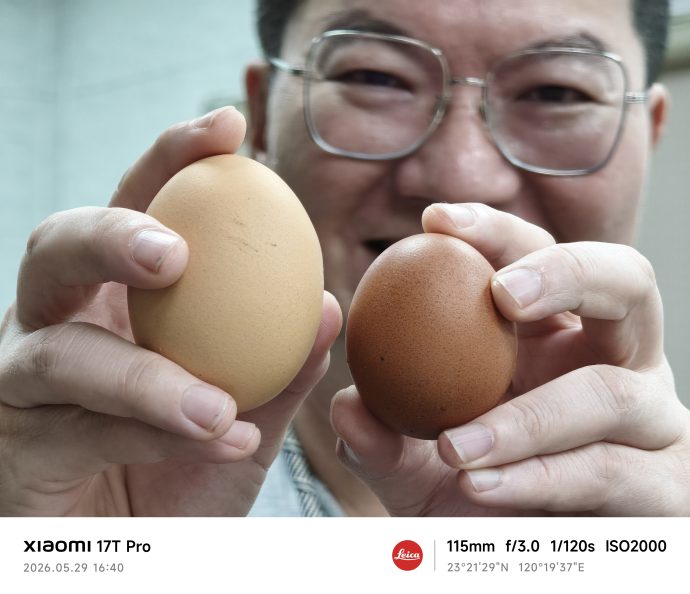
At Tree Egg Chicken Farm, the difference is explained in a straightforward way. Its eggs have a naturally yellow yolk, while some commercially sold eggs may have a deeper orange yolk because of the hens’ feed, including pigment-rich ingredients or colouring additives. The takeaway is simple: yolk colour can tell you something about what the hen has eaten, but it should not be used alone to judge whether an egg is better.
| Question | Simple answer |
|---|---|
| Why are eggs white, brown, pink or green? | Mainly because of the hen’s breed |
| Are brown eggs better than white eggs? | Not automatically |
| Does shell colour affect taste? | Usually no |
| What affects yolk colour? | Mainly the hen’s diet |
| Does orange yolk mean better egg? | Not necessarily, it may reflect feed ingredients or pigments |
| What matters more? | Hen health, diet, living conditions, handling and freshness |
Fun Fact: Hens Have Combs Too
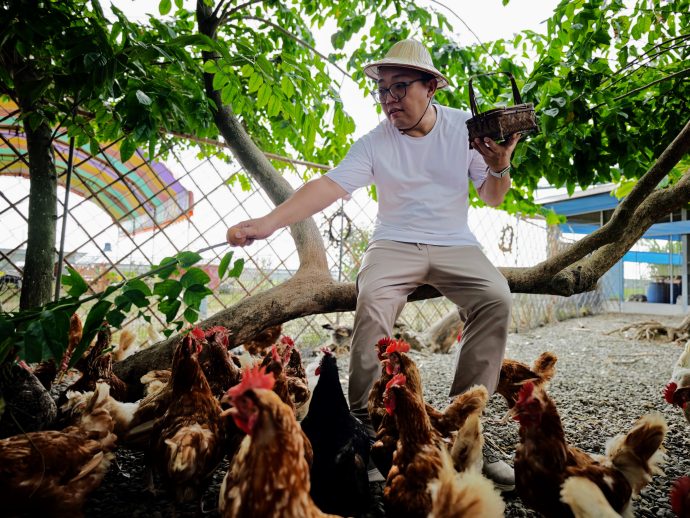
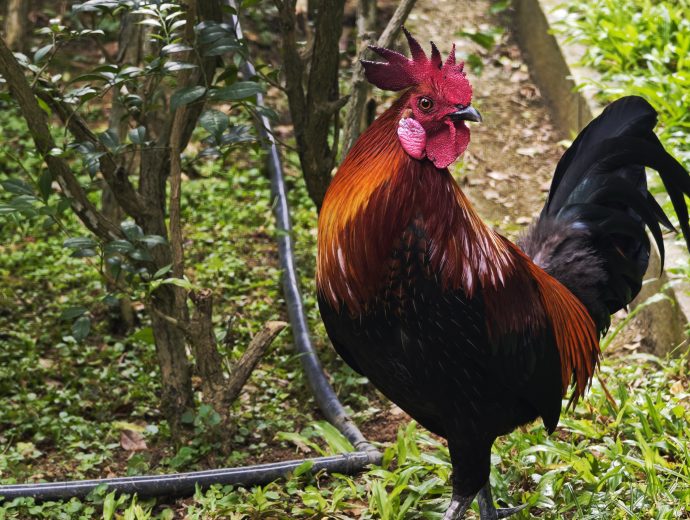
Did you know that hens have combs too? A hen’s comb is the soft, fleshy crown on top of her head. It starts off small when she is a chick, then becomes larger and bright red as she matures and is ready to begin laying eggs. Roosters usually have much bigger combs and are known for crowing, while hens are more likely to greet you with their familiar clucking sounds.
Hands On – Making Steamed Egg
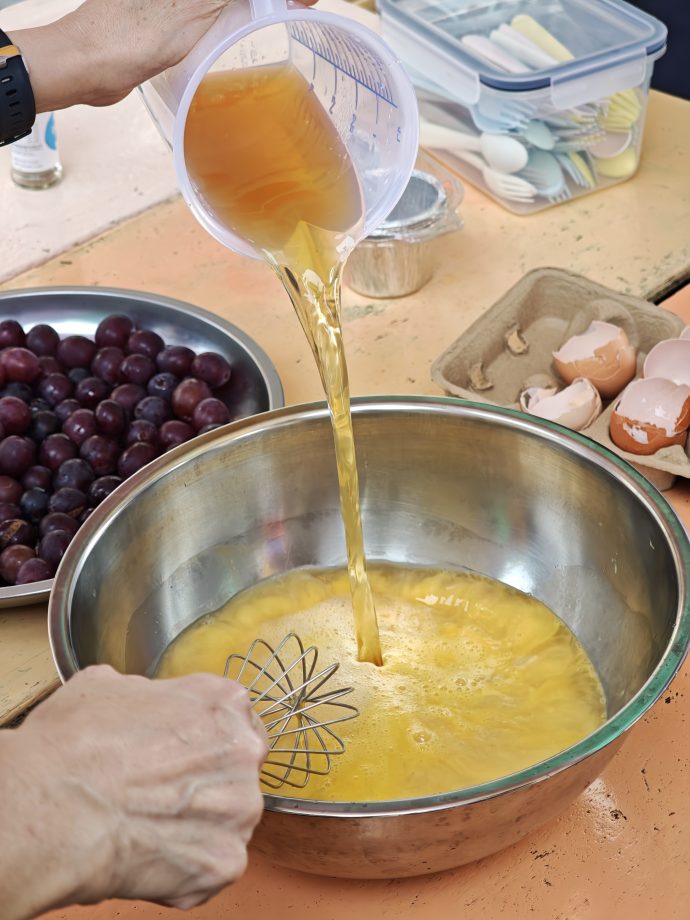
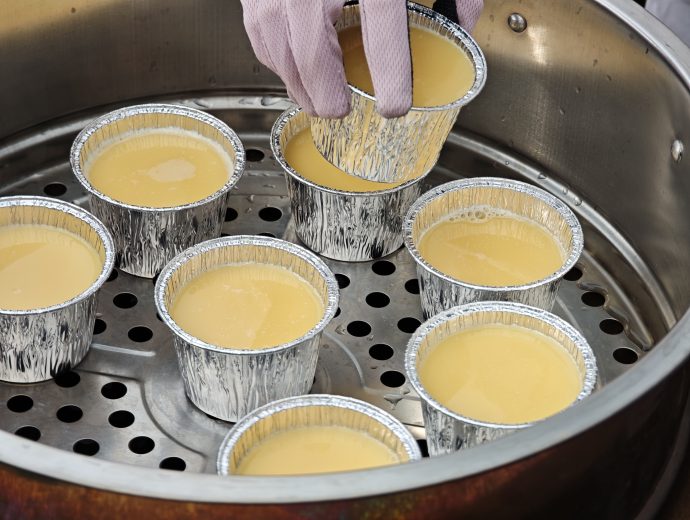
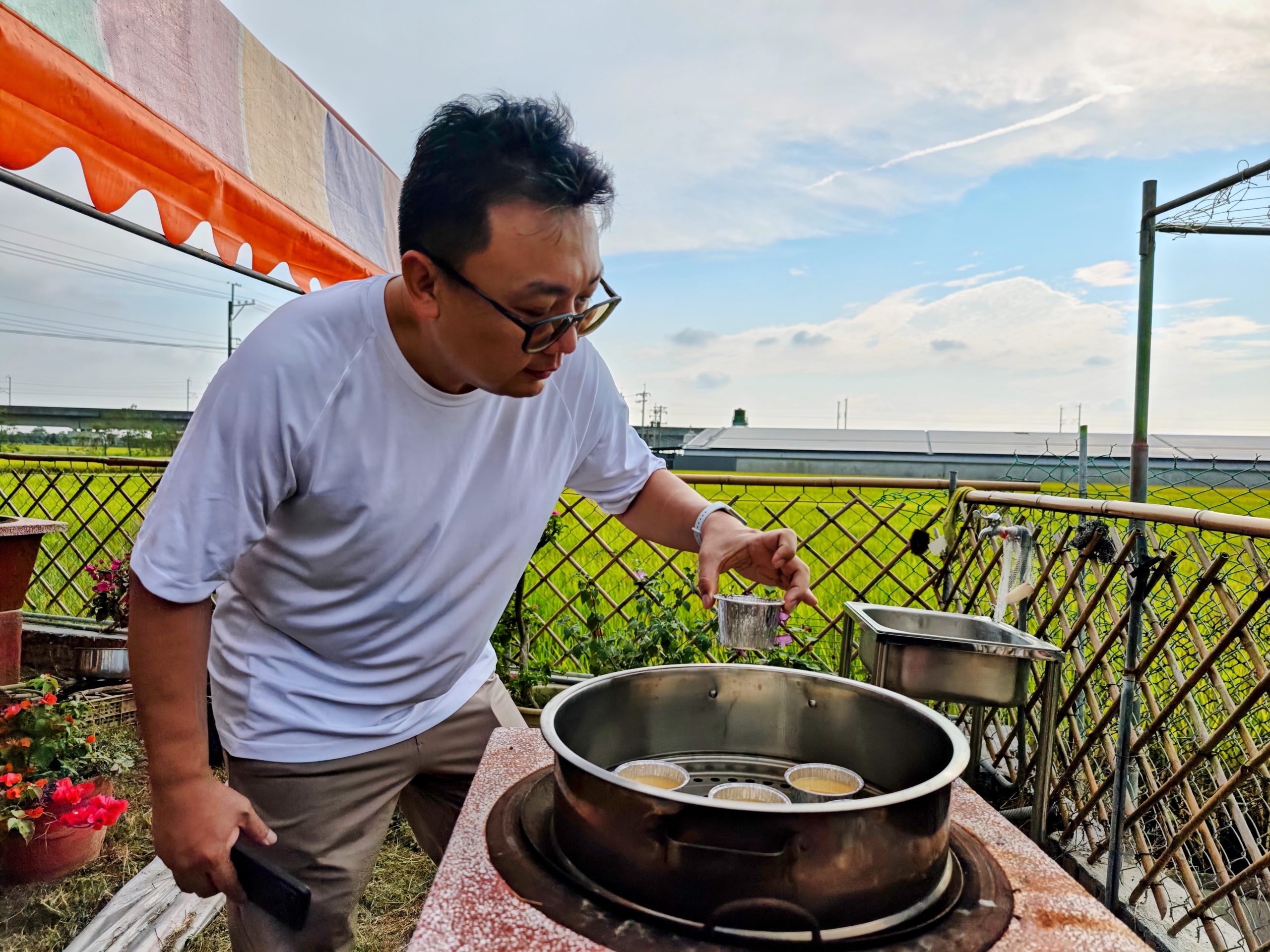
The hands-on part of the visit made the whole experience even more memorable. We picked six eggs ourselves, whisked them with chicken stock, then steamed the mixture into soft, savoury egg custard. The eggs could not have been any fresher, unless the hens personally handed them over with a bow.
Tree Egg also offers other food and agriculture experiences for visitors. According to its official website, activities may include storytelling and music-based learning for younger children, DIY craft sessions, feeding the hens, collecting eggs, making egg cakes with free-range eggs, and preparing steamed eggs with chicken essence over a traditional wood-fired stove. The programme leans strongly towards parent-child learning, but adults will probably find themselves just as absorbed, especially if they have never thought much about what happens before an egg reaches the breakfast table.
Tree Egg Chicken Farm is not a flashy attraction, and that is exactly why it works. It slows the trip down and turns something as ordinary as an egg into a story about land, feed, animal welfare, farming choices and the people behind them. You may arrive thinking this is just a chicken farm. You will probably leave looking at your next breakfast a little differently.
Where is Tree Egg 長短樹放牧蛋 located
Tree Egg is located in Changduanshu in Houbi, Tainan. Hence, its name in Mandarin is 長短樹放牧蛋, which reflects its locale. You can visit Tree Egg’s website in Mandarin at https://www.changduanshu.com or their Instagram account. Tree Egg is located at 96 Changduanshu, Houbi District, Tainan. They are open from 11am to 5pm except on Wednesday and Thursday. Tel: +886-926-999-776.
| Practical note | Suggestion |
|---|---|
| Language | Experience is conducted mainly in Mandarin |
| Best for | Families, food travellers, school groups and curious adults |
| Clothing | Wear shoes you do not mind getting dusty |
| Weather | Outdoor areas may be affected by rain |
| Booking | Contact the farm in advance for activities |
| Time needed | Allow around 1.5 to 2.5 hours depending on activities |