
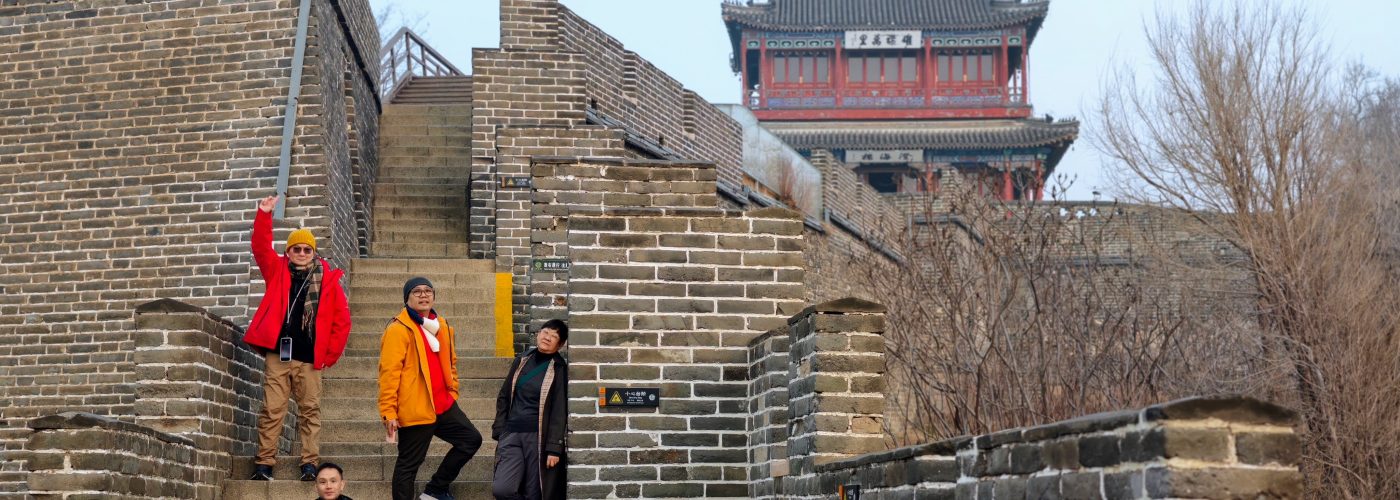


We had never heard of Qinhuangdao before this trip, which now feels slightly embarrassing because this coastal city in Hebei has something most beach destinations do not, the Great Wall meeting the sea. What began as a simple two-night hotel stay we won at Shangri-La Qinhuangdao turned into a surprisingly rewarding 3D2N extension after our Jiangnan gourmet journey through Shanghai, Wuxi, Nanjing, Hangzhou and Suzhou. Instead of another big-city stop, Qinhuangdao gave us seafood, sea breeze, Laolongtou’s Old Dragon Head, Shanhaiguan’s old town, and ARANYA, a design-led beach community in Beidaihe that felt nothing like the China we thought we knew.
Introducing Qinhuangdao 秦皇岛
For context, Qinhuangdao, or 秦皇岛, is a coastal city in Hebei province in northern China. It sits on the Bohai Sea, not too far from Beijing and Tianjin, which explains why it is popular as a summer beach escape for domestic travellers. From Beijing, it is around 290 km by road, or roughly 2 to 2.5 hours by high-speed rail. From Shanghai, it is much farther, about 1,075 km away, which makes it more of an add-on destination rather than a quick day trip.
How To Get To Qinhuangdao
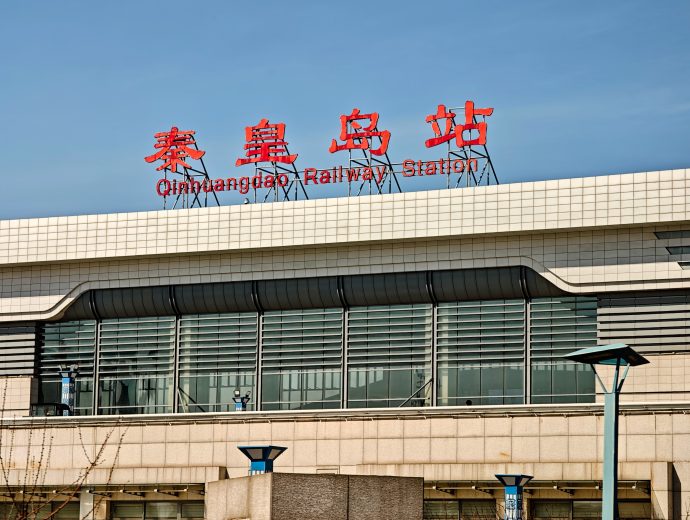
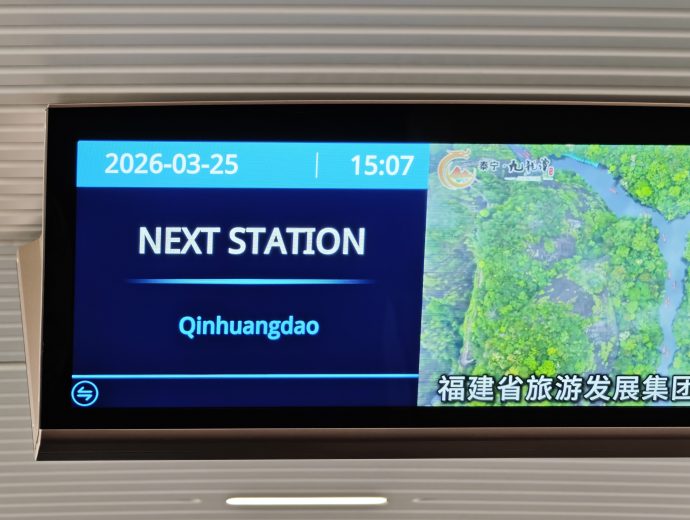
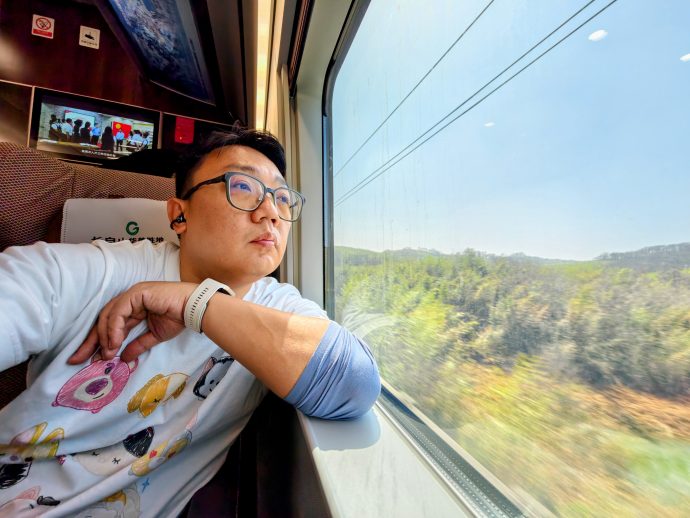
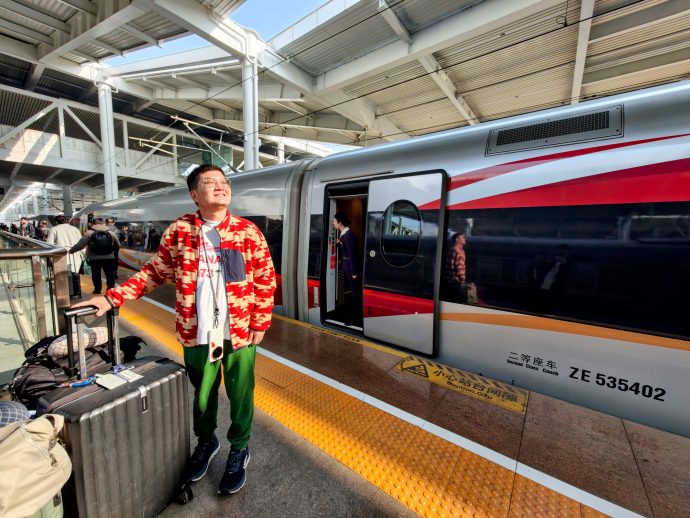
Getting there is fairly straightforward, though not as obvious as travelling to China’s big-name cities. From Shanghai, the easiest option is to fly from Shanghai Pudong International Airport to Qinhuangdao Beidaihe Airport. Flight schedules are limited, so check carefully before planning your itinerary. There are also high-speed trains from Shanghai to Qinhuangdao, with the fastest services taking around five and a half hours, depending on the date and train selected. From Beijing, it is much easier. High-speed rail puts Qinhuangdao within a comfortable short getaway range.
| Route | Travel Option | Estimated Time | Notes |
| Shanghai to Qinhuangdao | Direct flight from Shanghai Pudong to Qinhuangdao Beidaihe Airport | About 2 hours 10 minutes | Limited non-stop flight options, check schedules early |
| Shanghai to Qinhuangdao | High-speed rail | From about 5 hours 24 minutes | Good for travellers who prefer rail, but timings vary |
| Beijing to Qinhuangdao | High-speed rail | Around 2 to 2.5 hours | The most convenient gateway |
| Beijing to Qinhuangdao | Car or private transfer | Around 3 hours | Useful for groups or more flexible itineraries |
How to order food from your seat onboard the High-Speed Rail
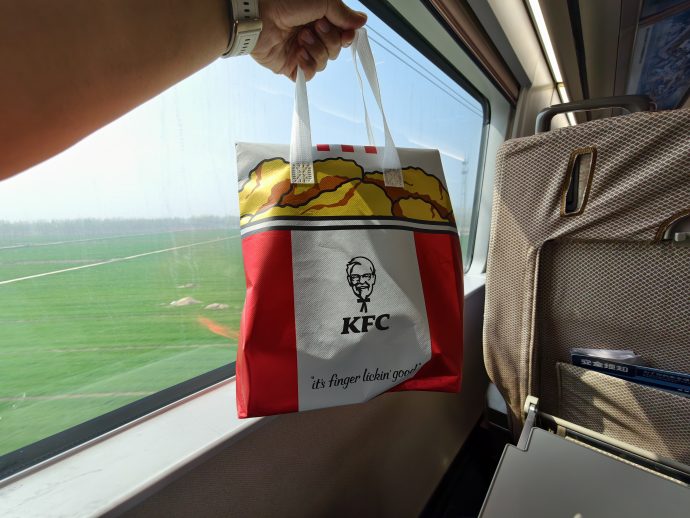
One thing that surprised us during the five-hour high-speed rail journey from Shanghai to Qinhuangdao was how easy it was to order food on board. Instead of relying on trolley snacks or bringing our own meals, we simply scanned the QR code at our seats using WeChat. The system automatically detected our train and seat number, allowing us to browse food options available at upcoming stations.
We ordered KFC before the cut-off time, and when the train stopped at the station, the meal was loaded onboard. Shortly after departure, a crew member delivered it directly to our seats. The process was seamless, and the food arrived warm and fresh. It is one of those small travel experiences that highlights how integrated China’s high-speed rail and digital payment ecosystems have become.
Our reason for visiting Qinhuangdao was simple. We had won a two-night stay at Shangri-La Qinhuangdao, and honestly, that was enough reason to go. Sometimes that is how the best travel surprises happen. Not every trip needs to begin with years of research and a bucket list. Sometimes you win a hotel stay and suddenly find yourself discovering a beach destination you never knew existed.
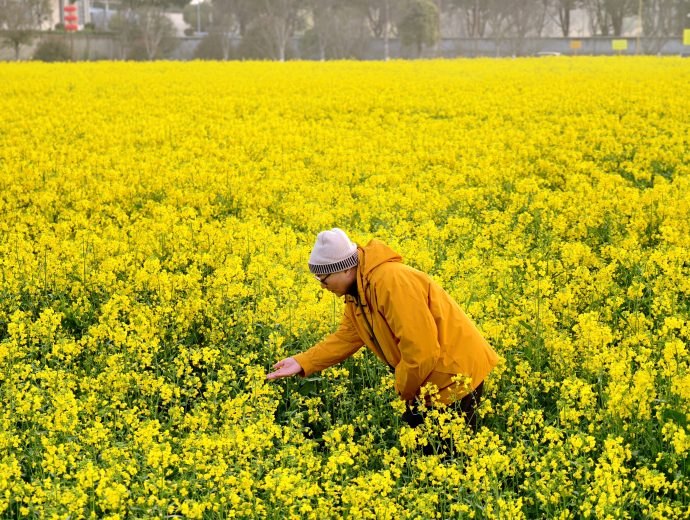
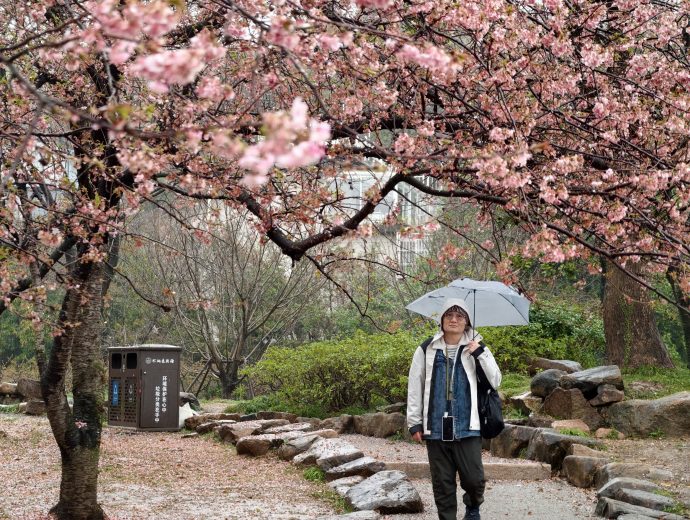
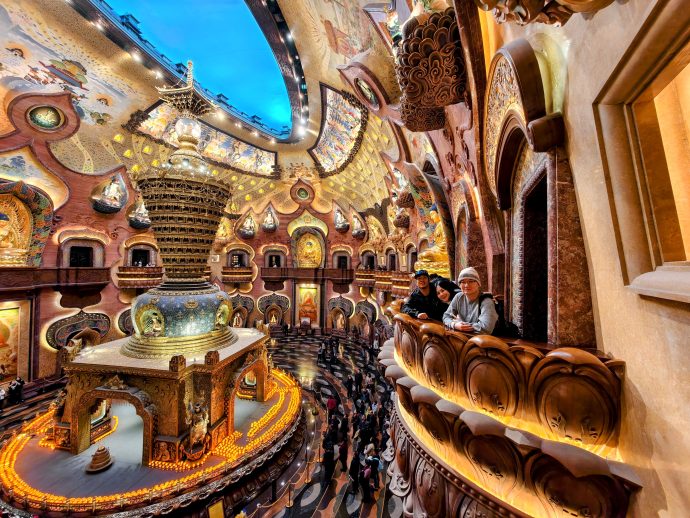
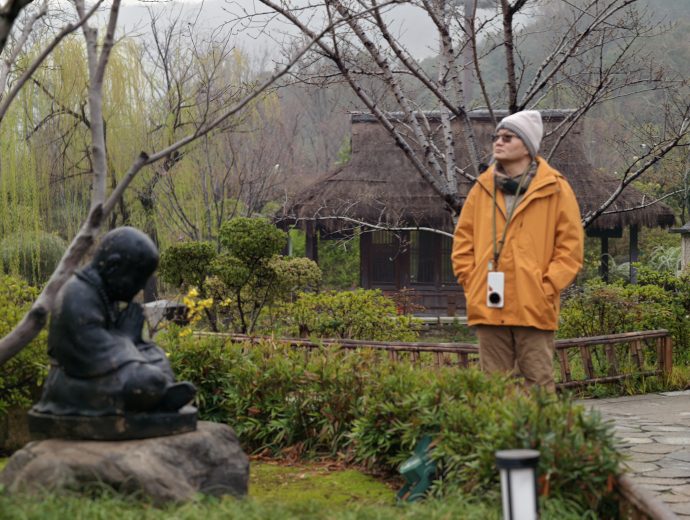
This was also a three-day, two-night extension from our nine-day gourmet journey through the Jiangnan region, where we travelled from Shanghai to Wuxi, Nanjing, Hangzhou and Suzhou. After days of eating, walking, photographing canals, gardens and city streets, Qinhuangdao felt like a very different side of China. Fewer ancient water towns, more northern coastline. Less delicate Jiangnan poetry, more sea breeze, seafood and Great Wall drama.
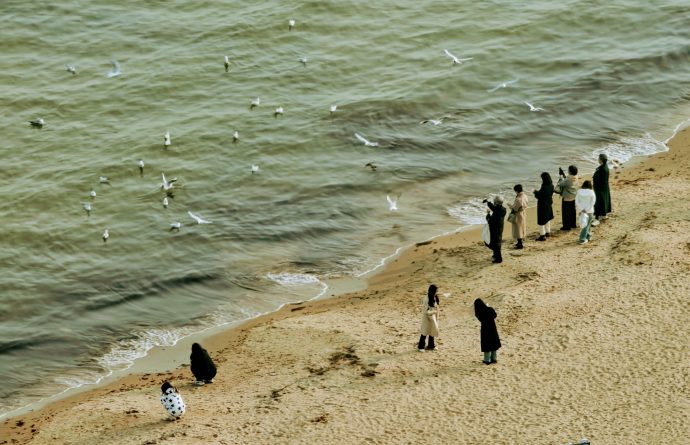
We visited at the end of March in 2026, which turned out to be low season and it was still cold. As a beach destination, Qinhuangdao is much livelier in summer, especially around Beidaihe, when domestic travellers and foreign visitors, including many Russians, head to the coast. In low season, it was quieter, cooler and far less crowded. Not exactly swimming weather, but perfect if you enjoy having more space to explore without battling peak holiday crowds.
Staying At Shangri-La Qinhuangdao
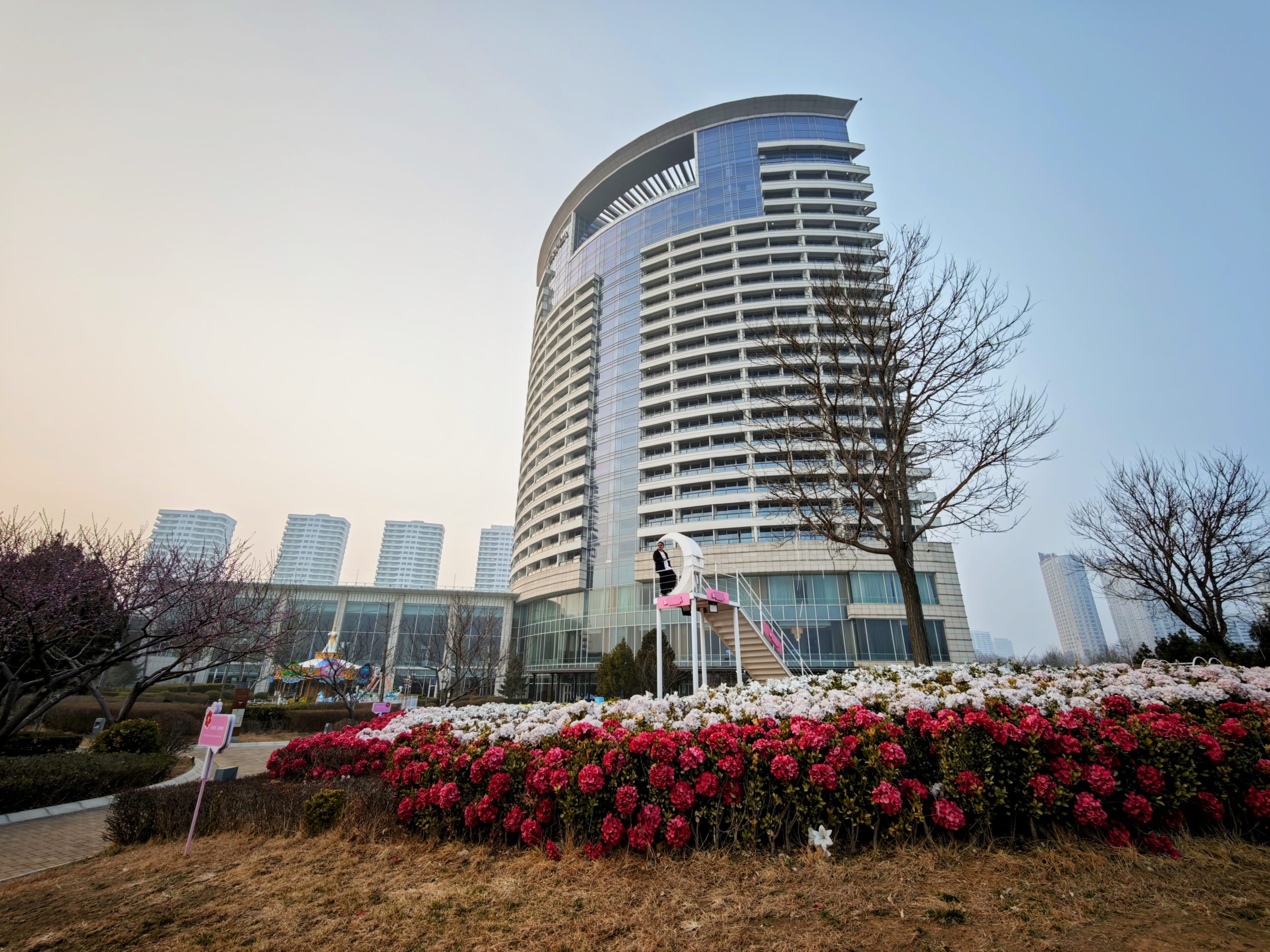
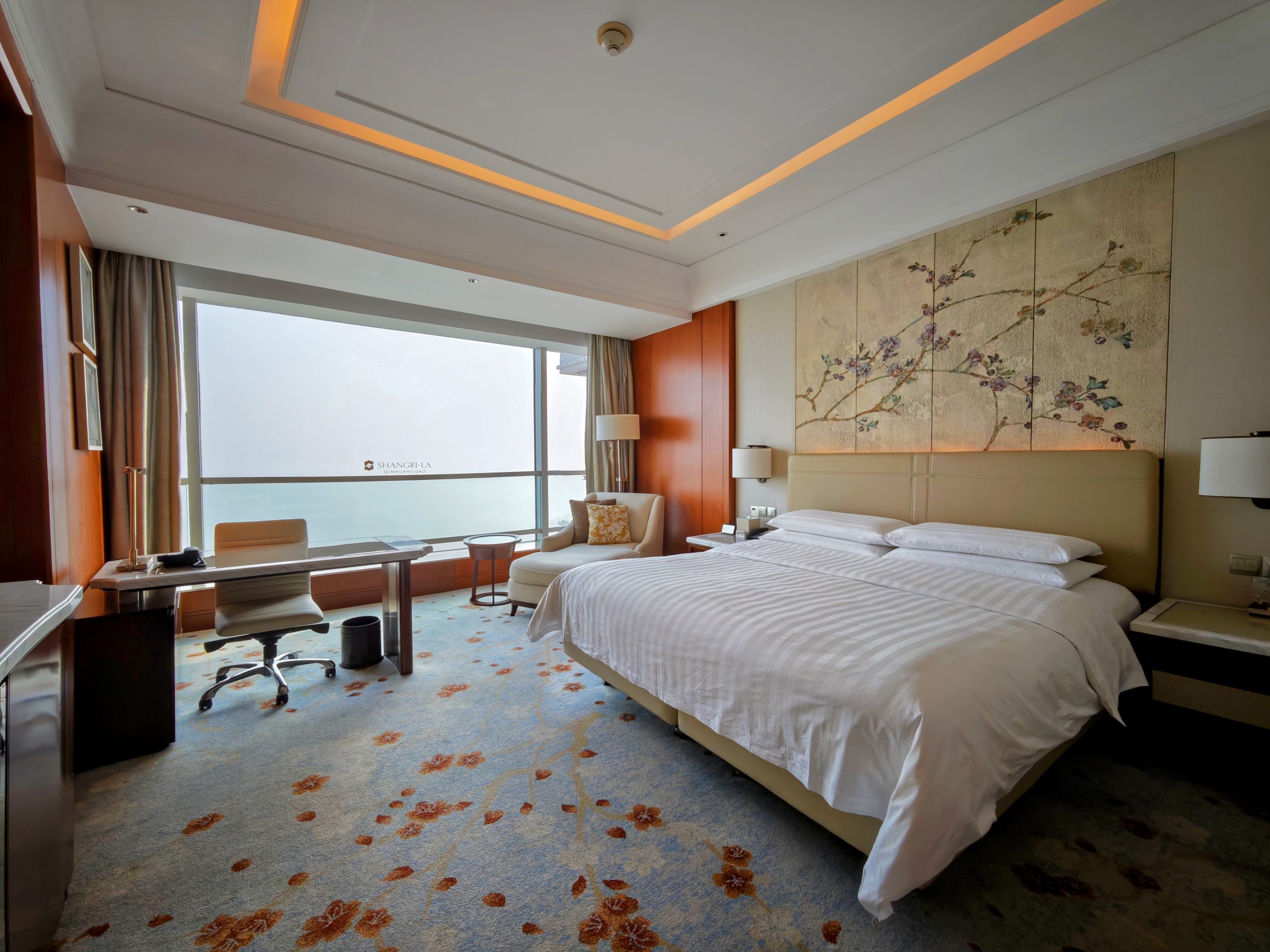
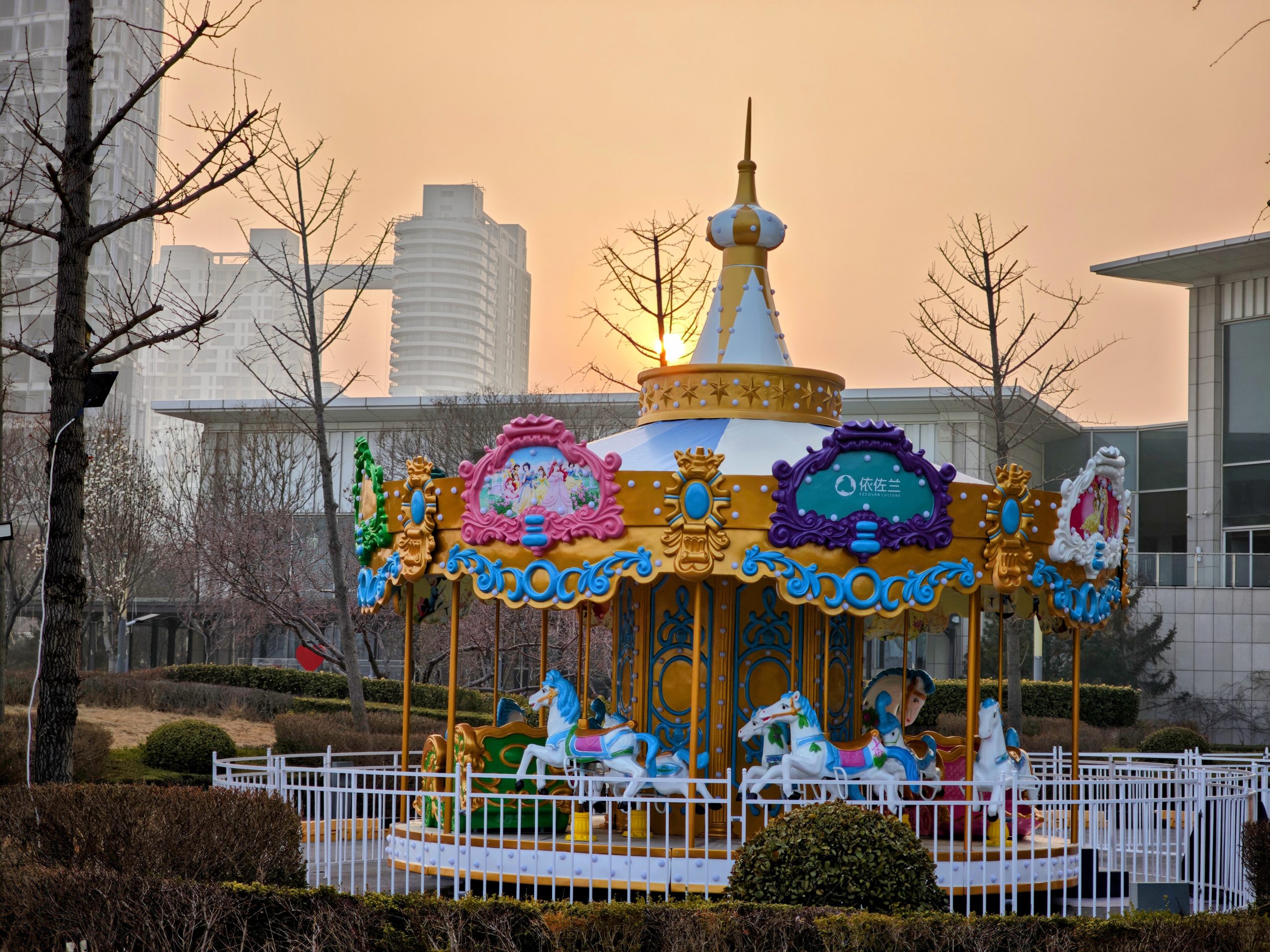
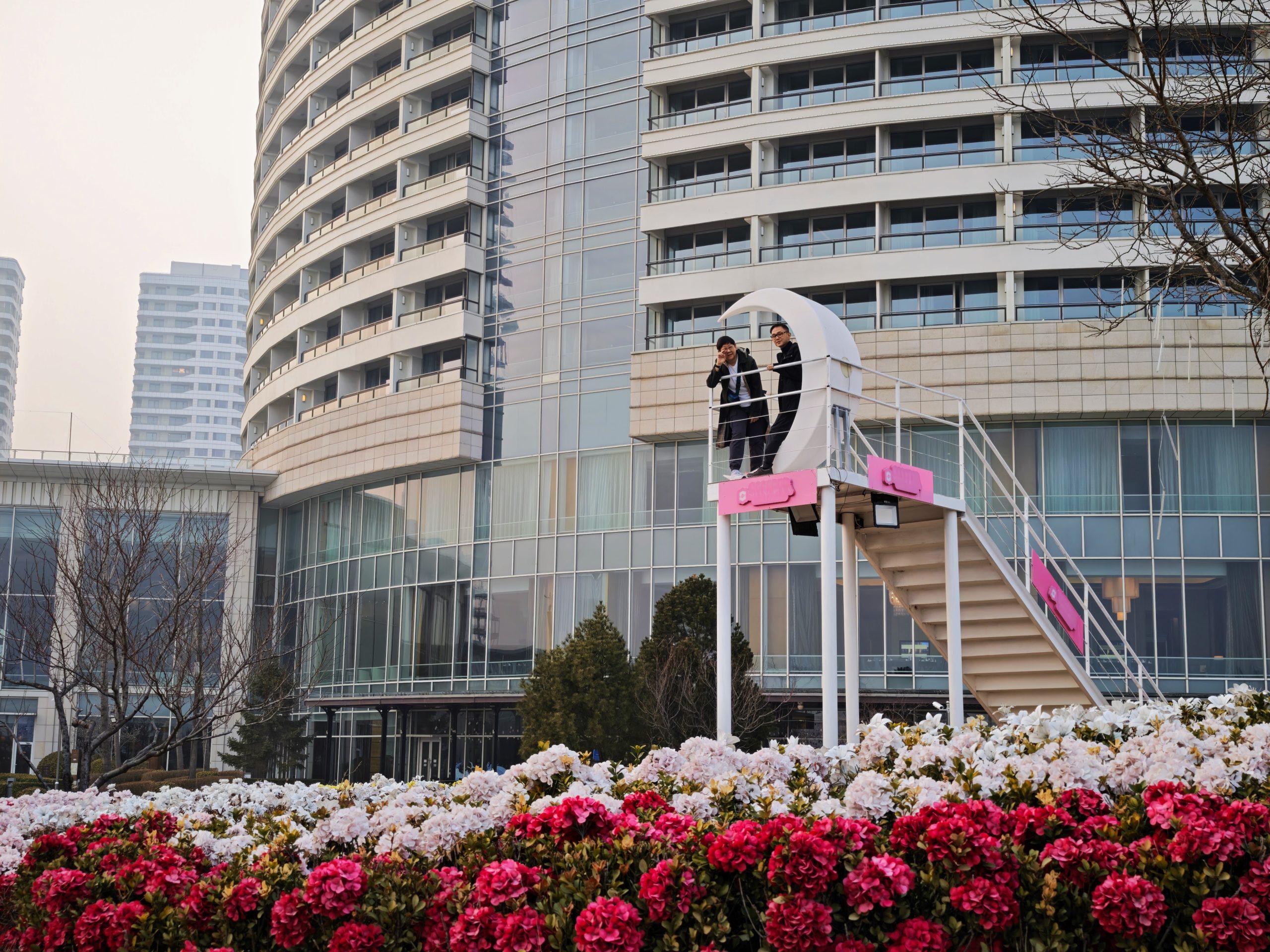
Our first base was Shangri-La Qinhuangdao, a multi-storey seaside retreat hotel by the coast at Golden Dream Bay. This is not a tiny boutique resort hidden away from civilisation. It is proper family-style city hotel with the comfort, facilities and scale you expect from Shangri-La. There are some 280 sea-view rooms that overlook the Bohai Sea.
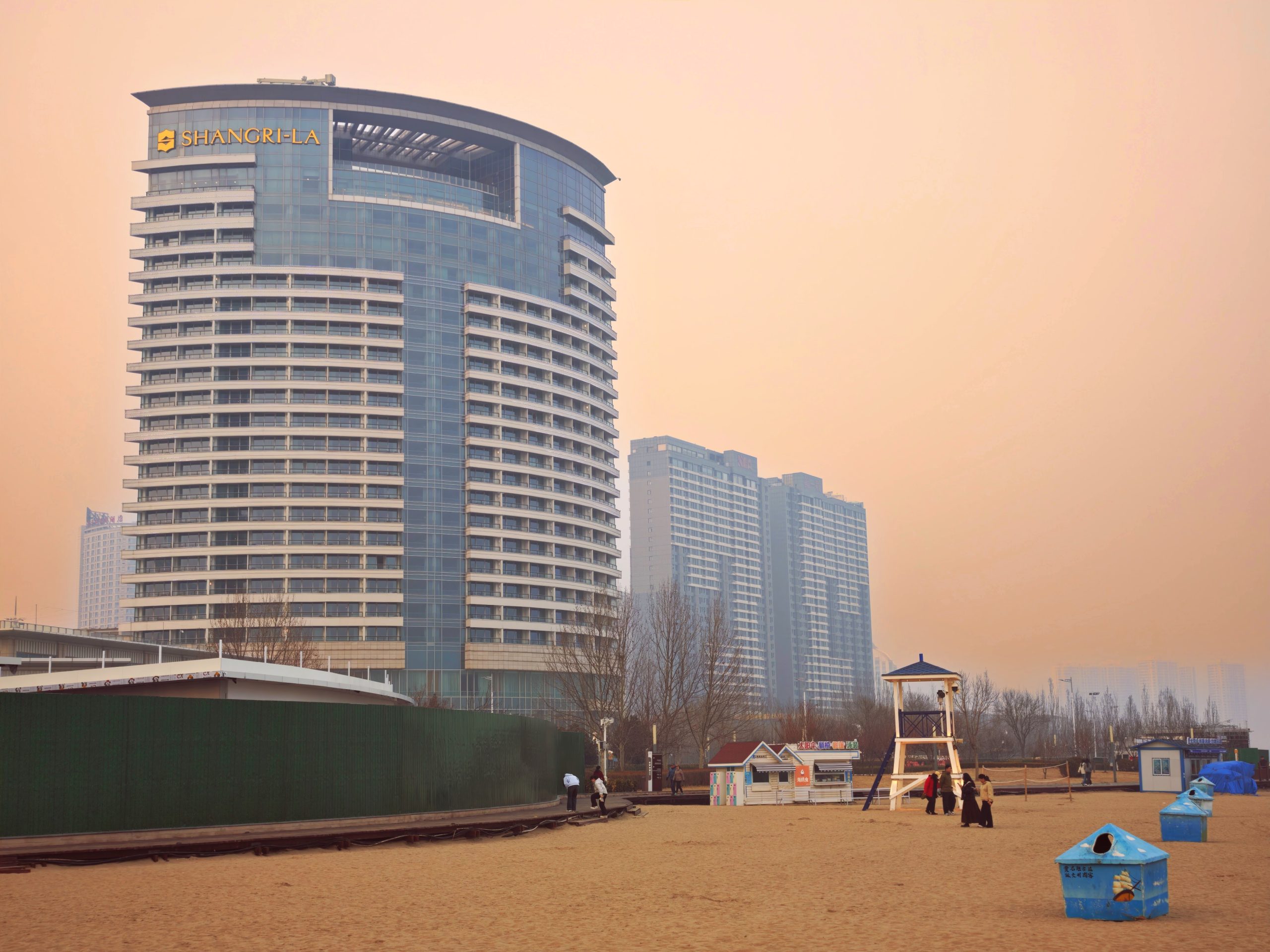
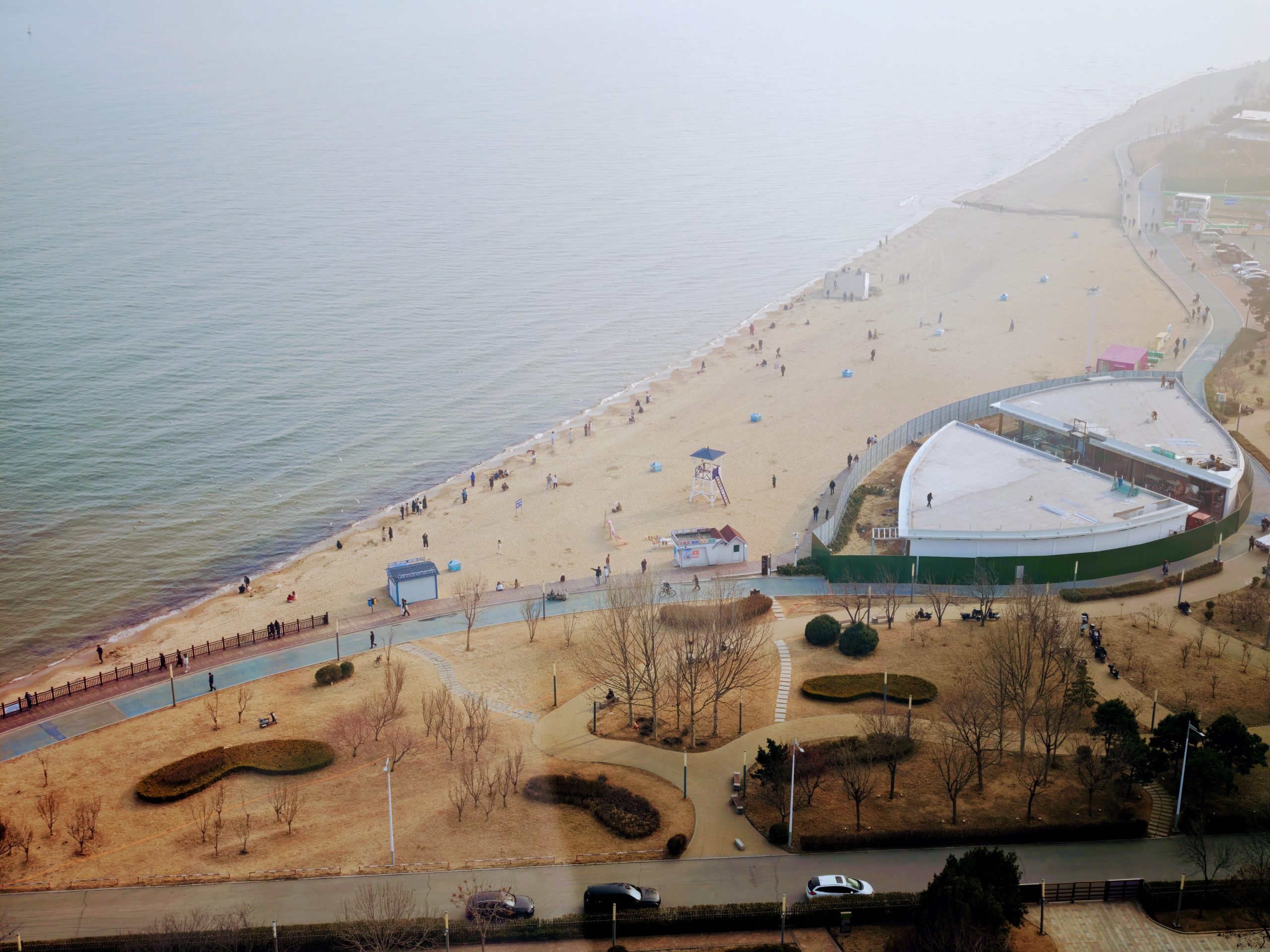


Shangri-La Qinhuangdao gave us a practical starting point to explore Qinhuangdao. It is around 9km away from the Qinhuangdao Railway Station and around 72 km from Qinghuangdao Beidaihe Airport, and works well if you want an easy base with full-service hotel comforts, sea views, breakfast, proper facilities and access to the city. Suitable for families, especially those travelling during the warmer months when Qinhuangdao becomes a summer holiday destination.
Dinner and Shopping near Shangri-La Qinhuangdao
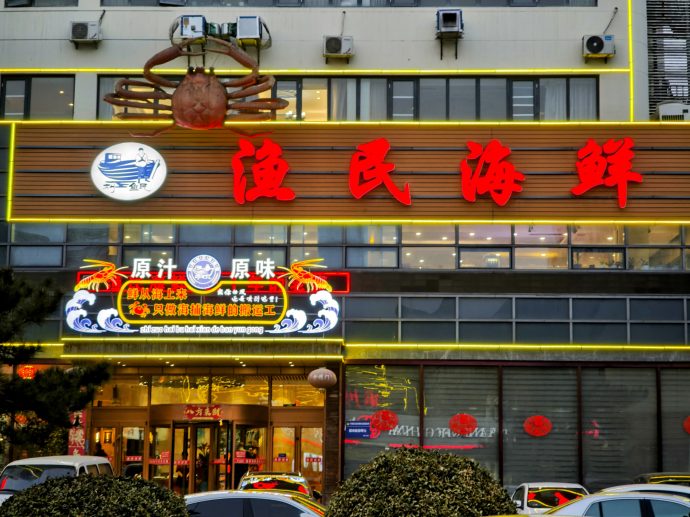
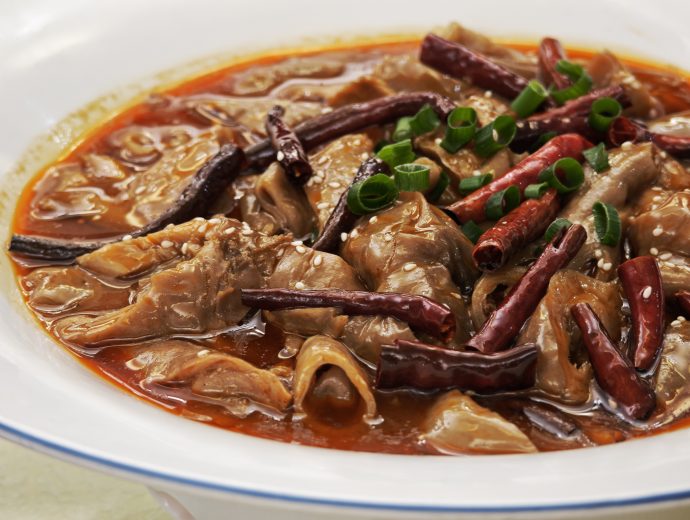
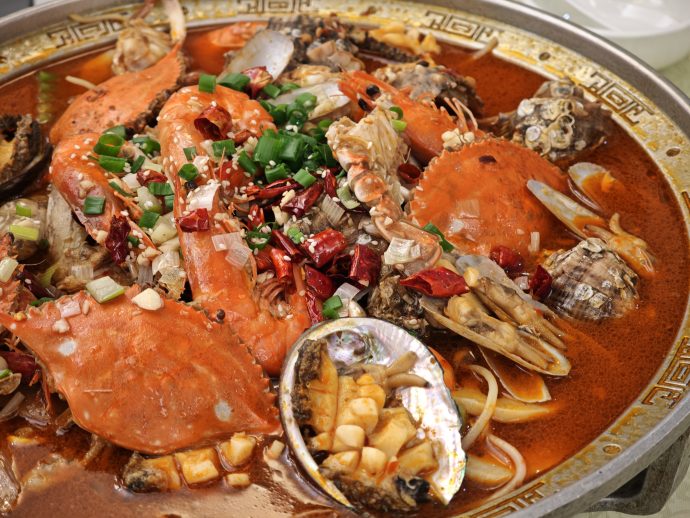
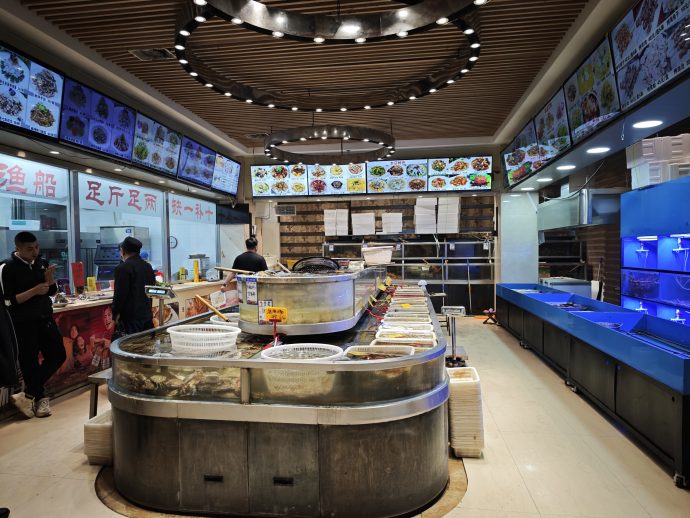
Our Qinhuangdao seafood dinner was at Fishermen Seafood 渔民海鲜, a local restaurant where you pick from the live seafood tanks before deciding how you want everything cooked. We went for a mala seafood hot pot packed with crab, prawns and shellfish, plus rice and we ordered additional vegetables and a serving of large intestines on the side. The bill for four came up to RMB600, which felt very fair for the portion and variety. It was bold, saucy and satisfying, the kind of no-frills seafood meal that makes sense in a coastal city.
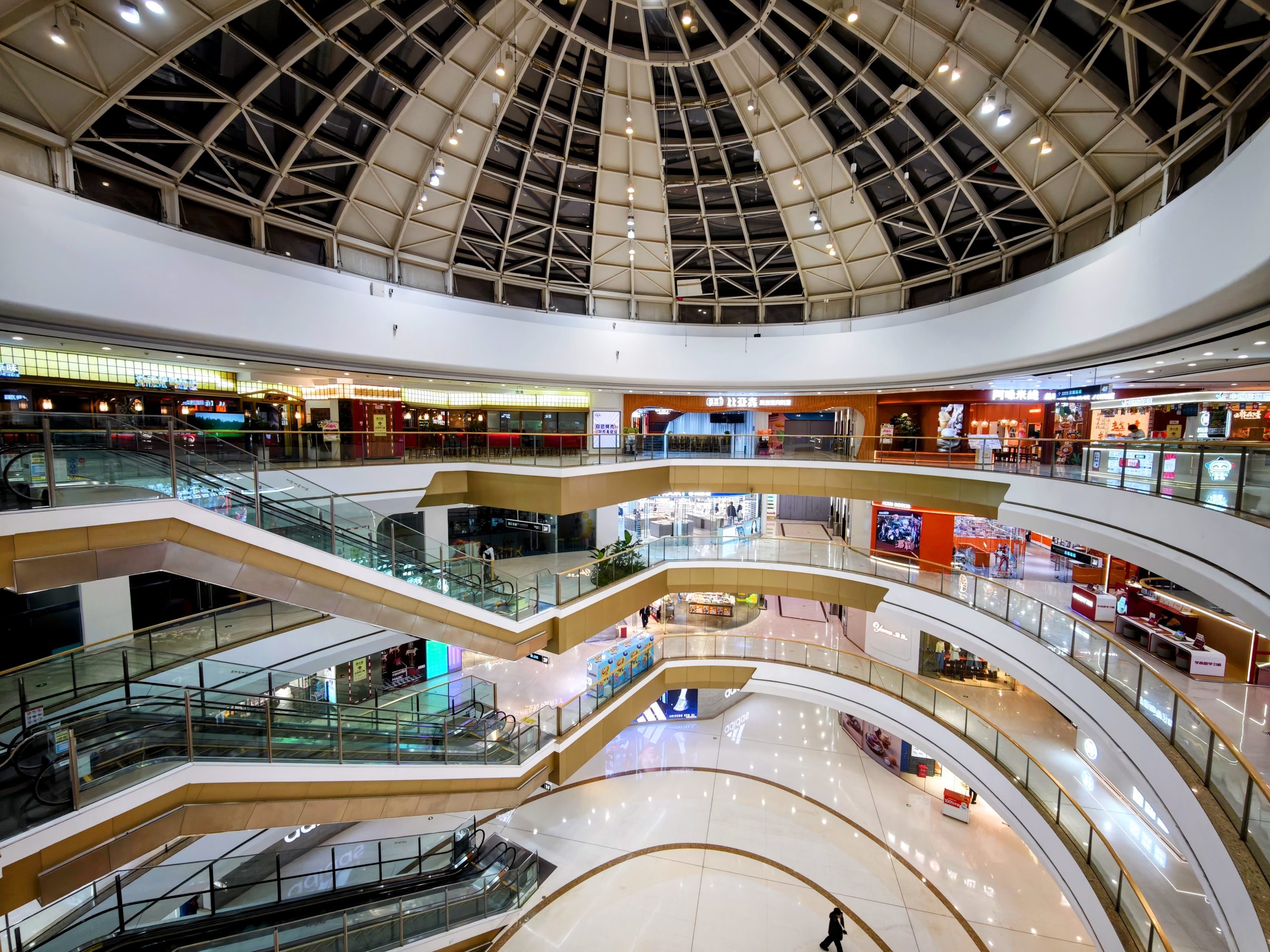
We also stopped by Wanda Plaza after dinner, partly to walk off a very satisfying seafood meal and partly to pick up supplies for the next morning. Since we planned to leave early to catch the sunrise at Laolongtou, we had to skip the hotel breakfast. So we bought some snacks and juices from the mall for a simple breakfast picnic by the sea.
Visiting Laolongtou, Where The Great Wall Meets The Sea
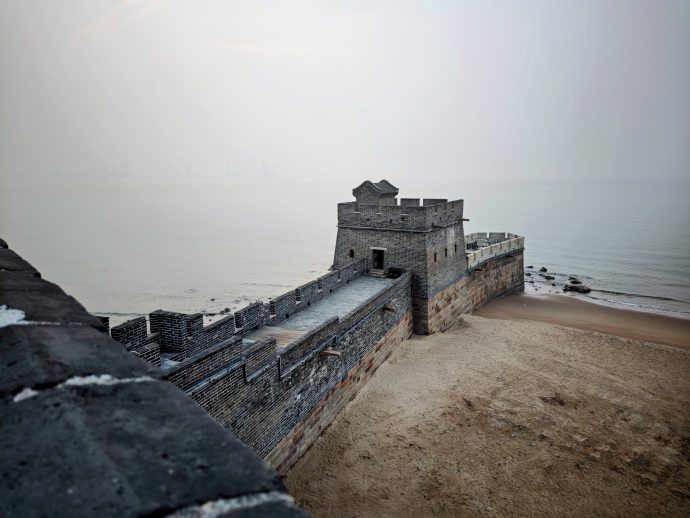
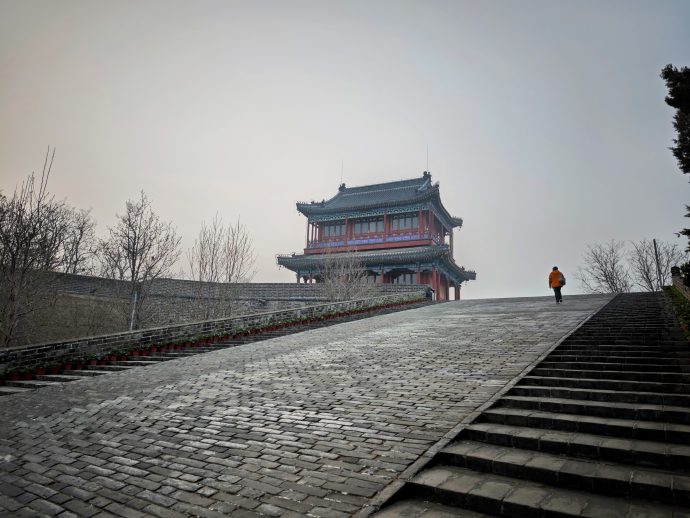
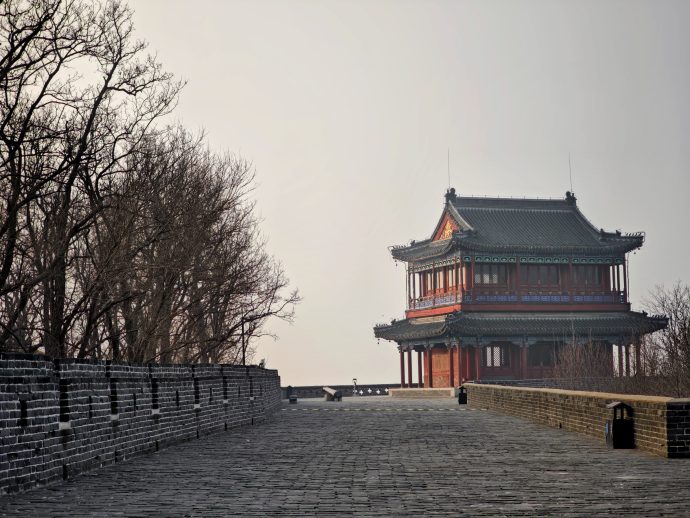
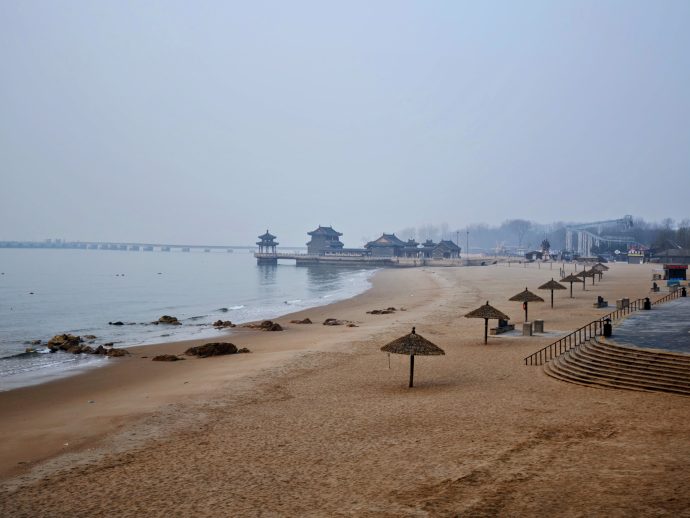
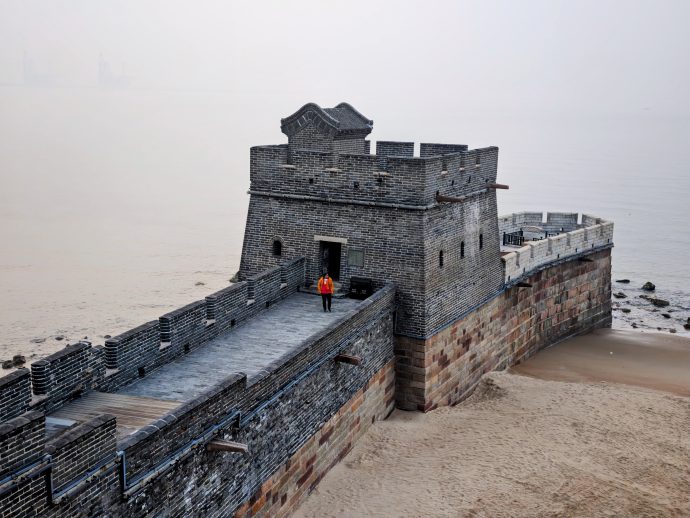
One of the main reasons to visit Qinhuangdao is Laolongtou, also known as Old Dragon Head Scenic Area. This is where the eastern end of the Ming Great Wall reaches the Bohai Sea.
The name makes sense when you see it. The wall stretches towards the water like the head of a dragon entering the sea. It is one of those attractions that sounds slightly exaggerated until you are actually standing there, looking at the stone walls, the sea, and the coastline all meeting in one dramatic frame.
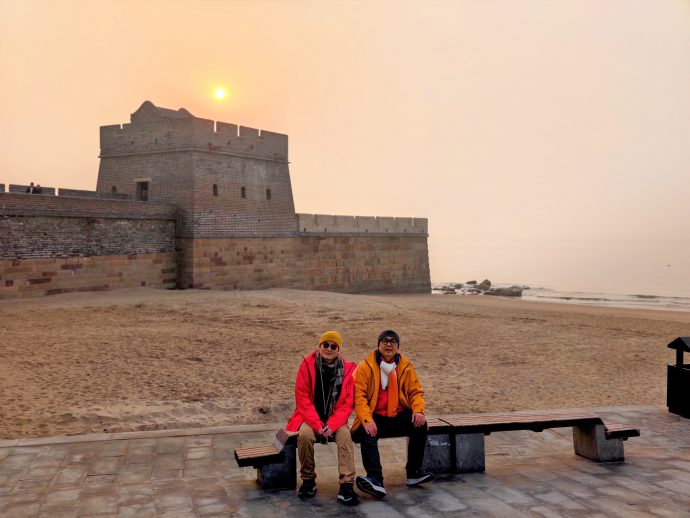
For many travellers, the Great Wall usually means Badaling or Mutianyu near Beijing. Laolongtou feels different because it is not about climbing endless mountain ridges. Here, the Great Wall becomes coastal. There is sea wind, sand, stone, fortress architecture and that very unusual sight of a wall associated with mountains suddenly meeting open water. The Estuary Stone Wall or 入海石城 was built in 1579 during the Wanli reign of the Ming Dynasty, restored in 1987, and stretches 22.4 metres into the sea. It is 8.3 metres wide and 9.2 metres high, with some original stone layers still preserved.
We visited during the quieter low season, and the light haze actually gave the place a more atmospheric feel. The grey brick walls, bare winter trees and muted coastline made the whole area look almost cinematic. It was not the bright blue-sky beach scene you might get in summer, but it had a moody charm of its own.
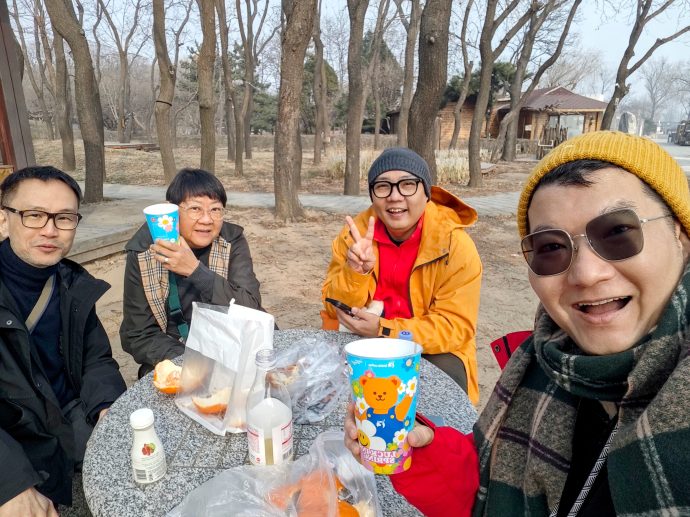
It is restored and tourist-friendly, so do not expect some rugged, undiscovered ruin. But that also makes it easy to explore. You can walk, take photos, read the history displays and enjoy the novelty of being at the “head” of the Great Wall. And if you end up here early in the morning, remember to get breakfast beforehand and enjoy a picnic just like us.
Shanhaiguan Pass And The Old Town 天下第一关
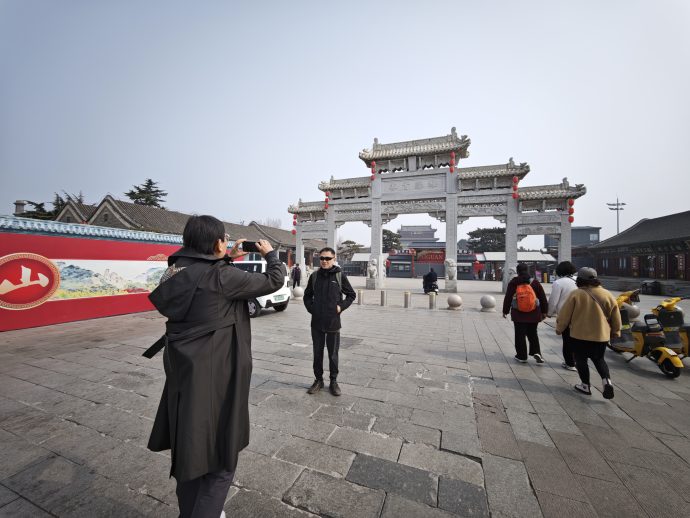
We also visited the area around Shanhaiguan Pass, best known for 天下第一关, or “The First Pass Under Heaven”. This is one of the most famous names associated with the Great Wall because Shanhaiguan was historically a strategic pass between the mountains and the sea.
We did not spend the whole visit ticking off every monument like it was a school excursion. Instead, we explored the old town around Shanhaiguan Pass, which turned out to be one of the more atmospheric parts of the trip.
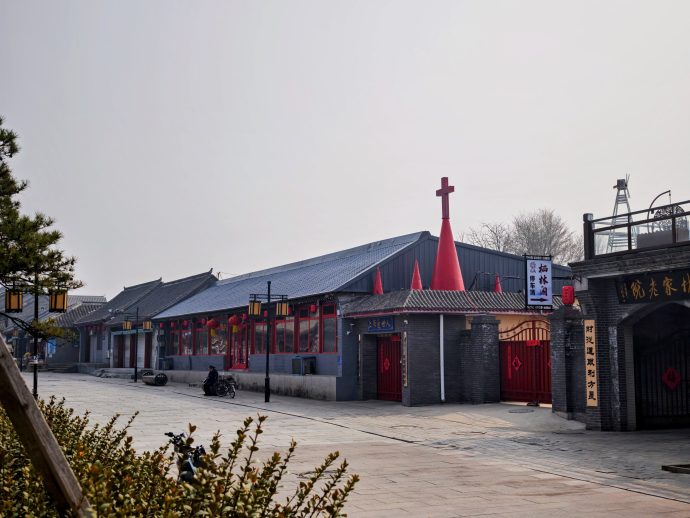
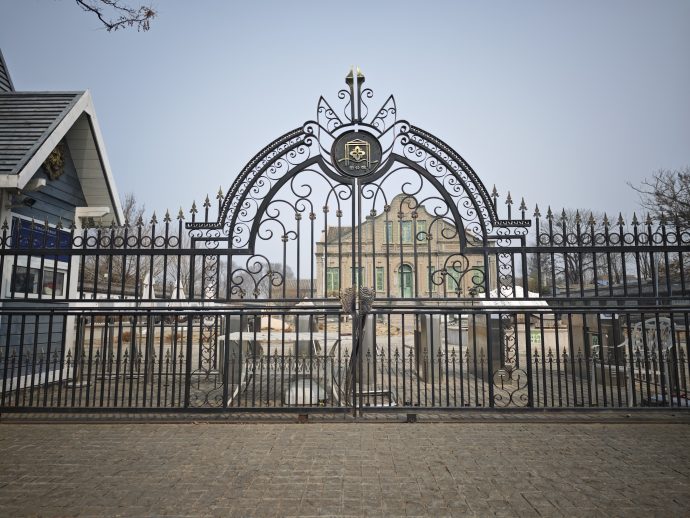
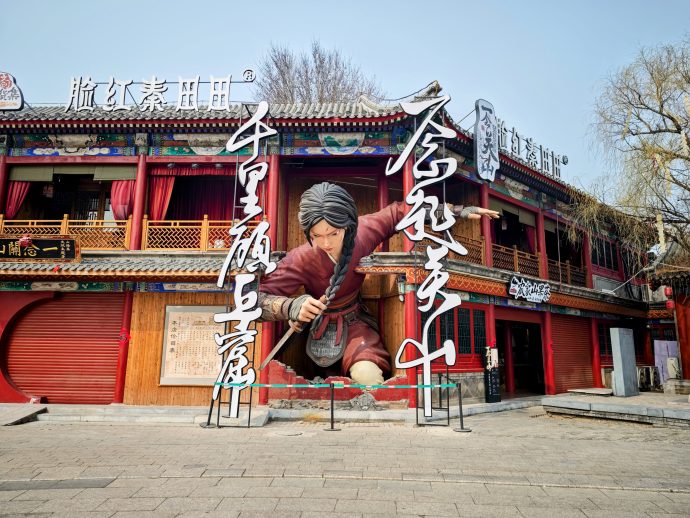
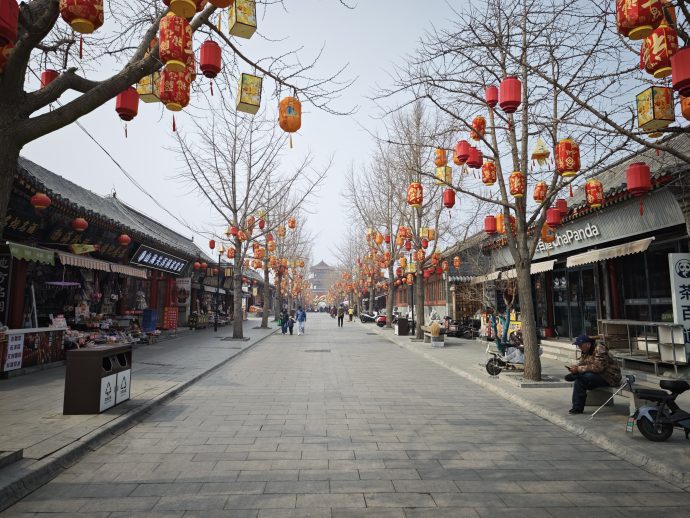
The gate itself is imposing, with its grey brick walls and traditional tower above. Even from the outside, you get a sense of its historical weight. But the old town gives the visit more texture. There are streets, shops, local snacks and the feeling of walking through a place where history is still part of the urban fabric.
Together, Laolongtou and Shanhaiguan make Qinhuangdao more than just a beach stop. You get the Great Wall, the sea, old town atmosphere and a very different perspective of northern China.
Why We Split Our Stay
Originally, the plan was simple, two nights at Shangri-La Qinhuangdao. But while researching the area, we discovered Lanci Hotel in Changli County’s ARANYA community, and that changed the plan.
So we split our two nights. One night at Shangri-La Qinhuangdao, and one night at Lanci Hotel inside ARANYA. In hindsight, that was the best decision because the two stays offered very different experiences.
Shangri-La gave us the comfortable, full-service city hotel experience. Lanci Hotel gave us the quiet, design-forward beach escape.
ARANYA 阿那亚, The Design-Led Beach Community In Beidaihe
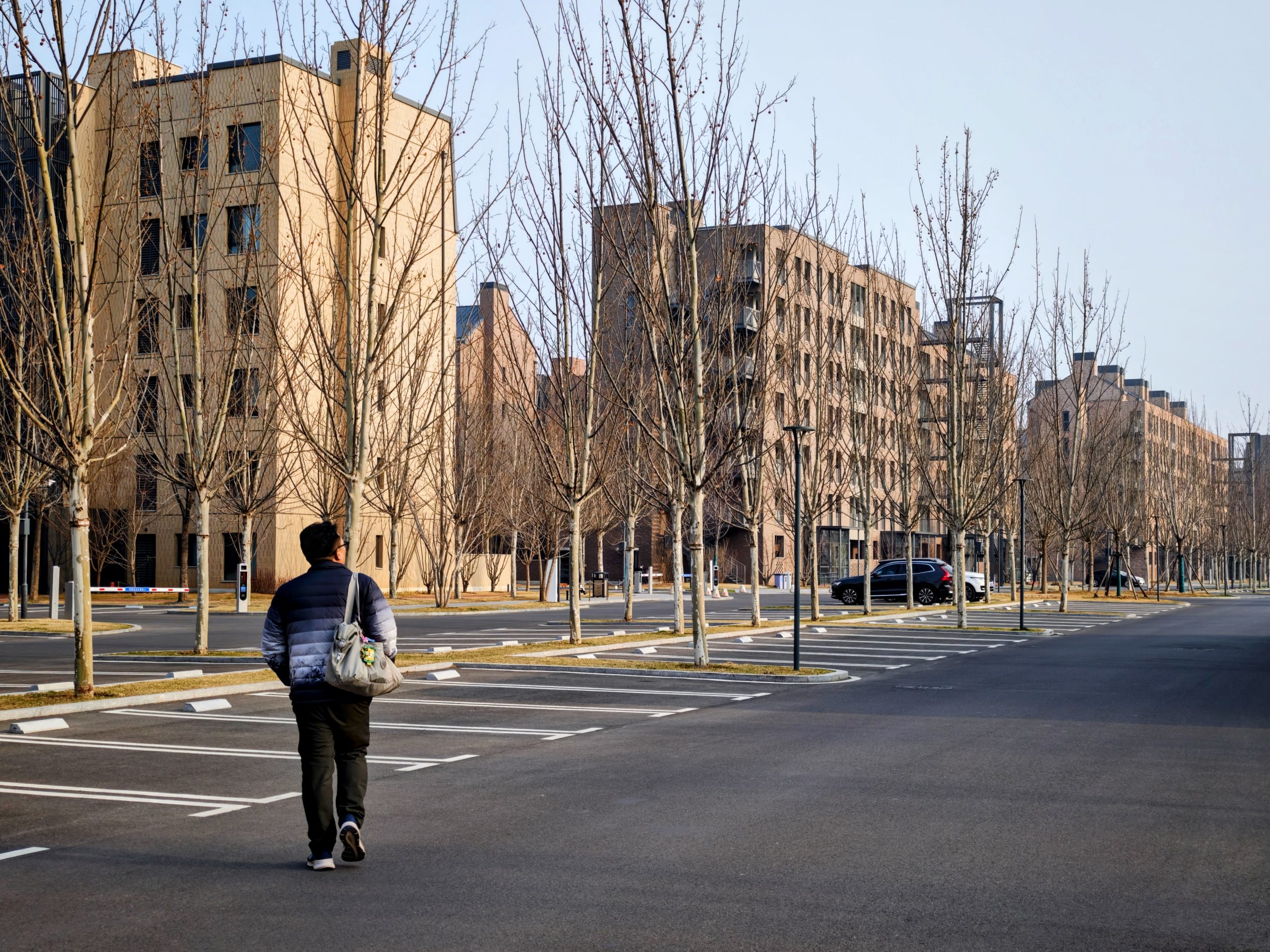
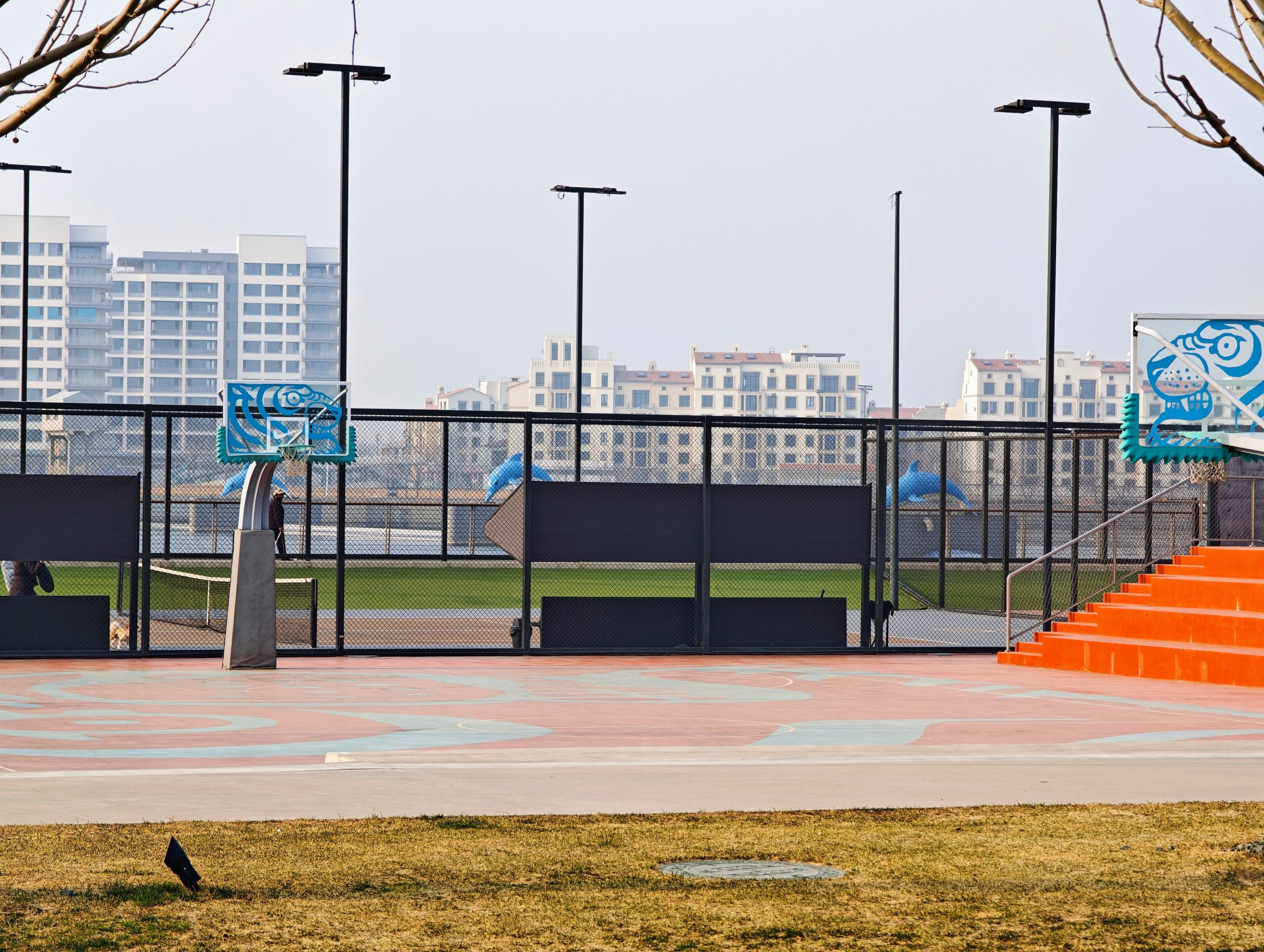
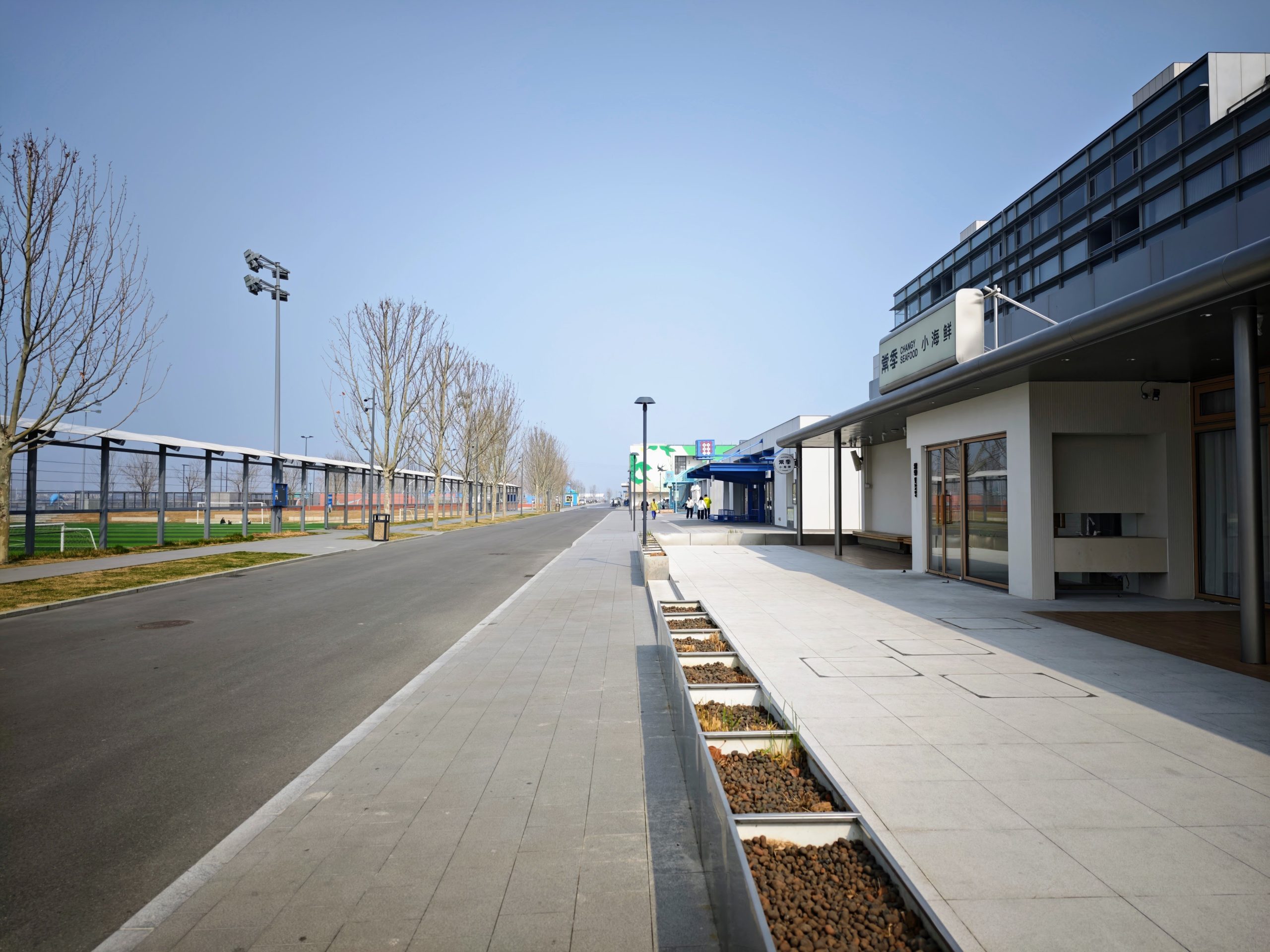
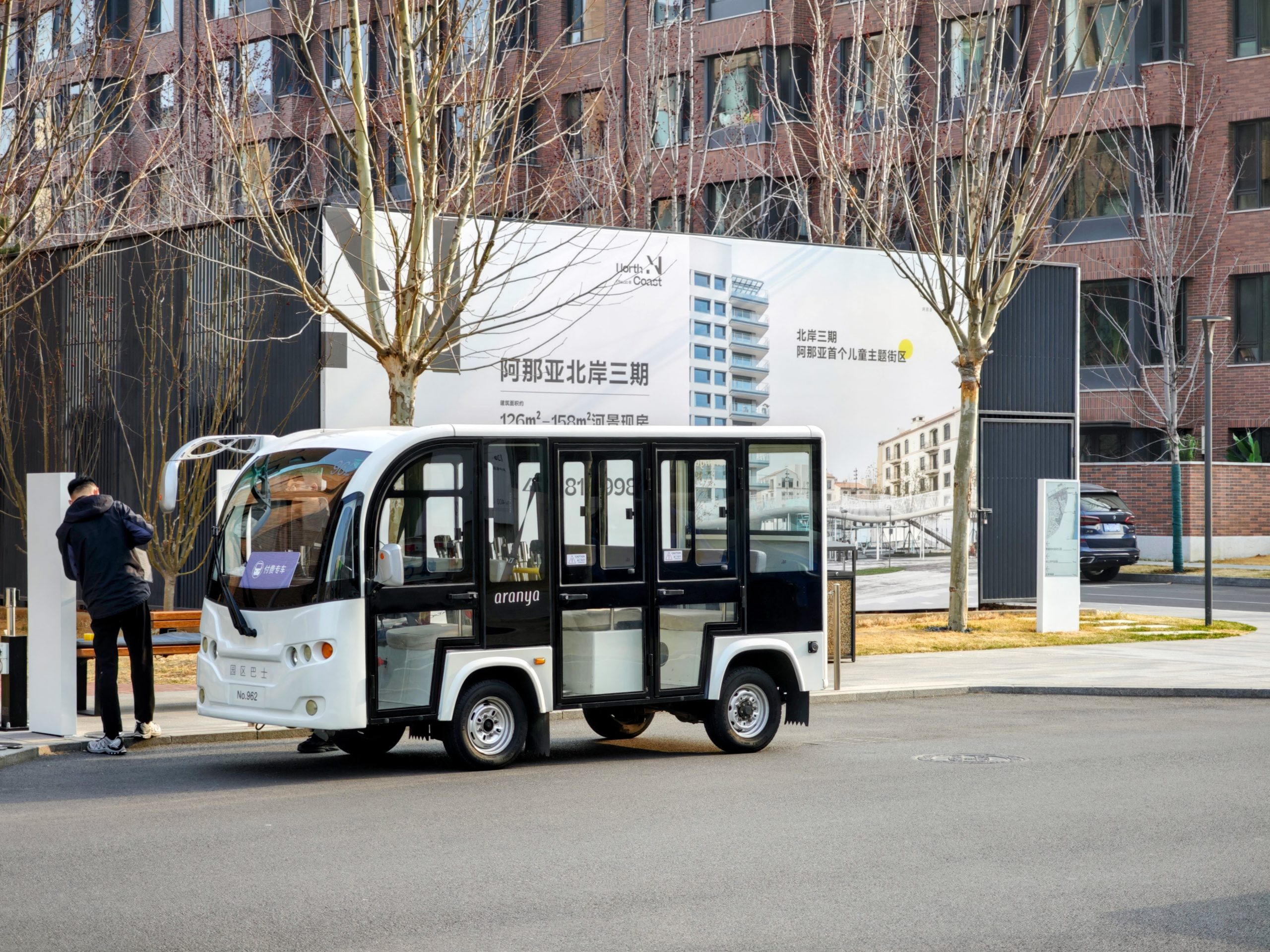
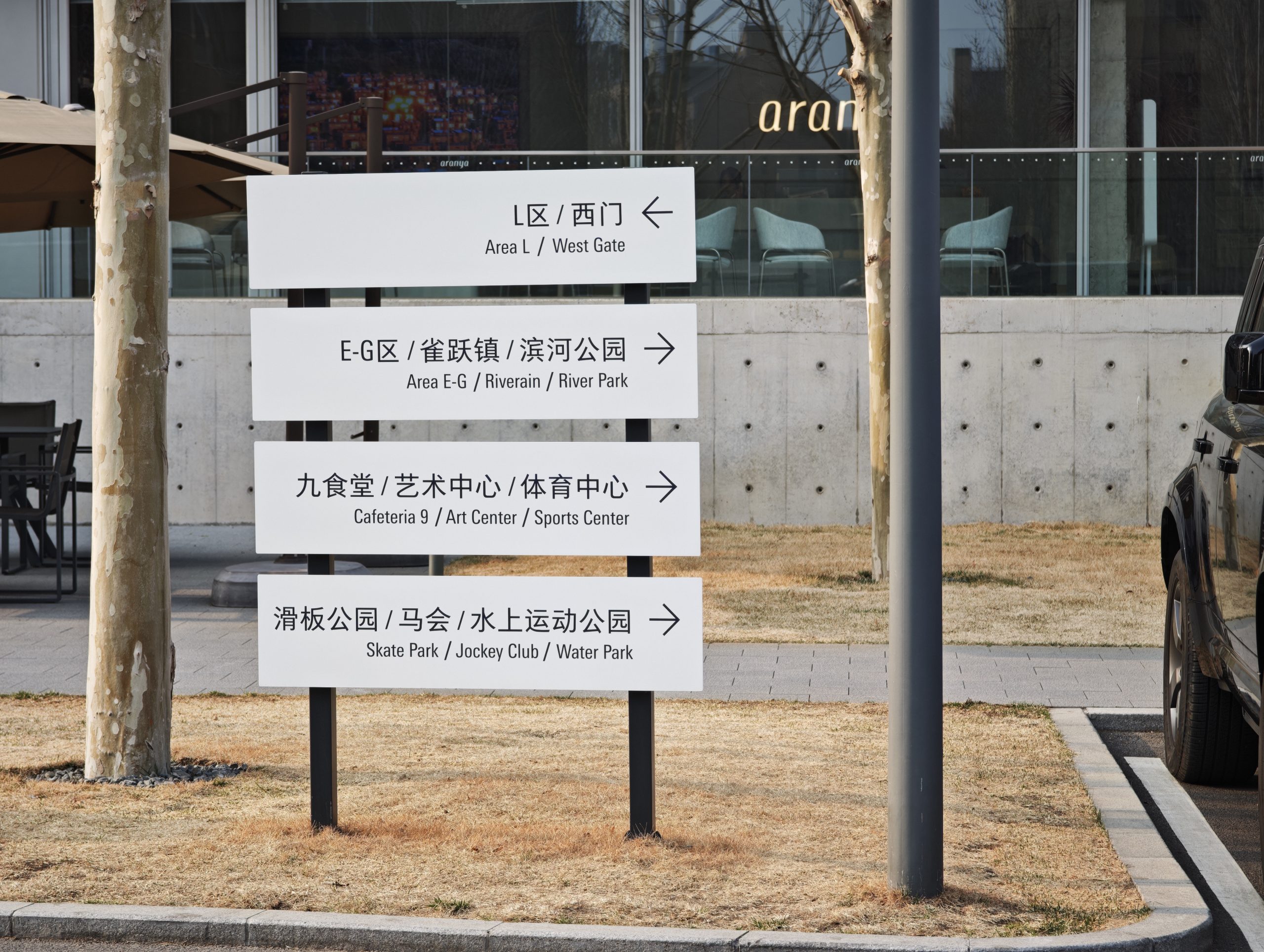
ARANYA (or Anaya) is probably the Qinhuangdao experience that will surprise design lovers the most. It is a design-led gated seaside community in Beidaihe, known for architecture, lifestyle spaces, art, cafés, hotels, residences and a very curated seaside environment. It has become known for its minimalist landmarks, including the Seashore Library, Seashore Chapel, Dune Art Museum and Chapel of Music, which have helped turn ARANYA into a popular escape for travellers looking for slow living, sea views and highly photogenic architecture.
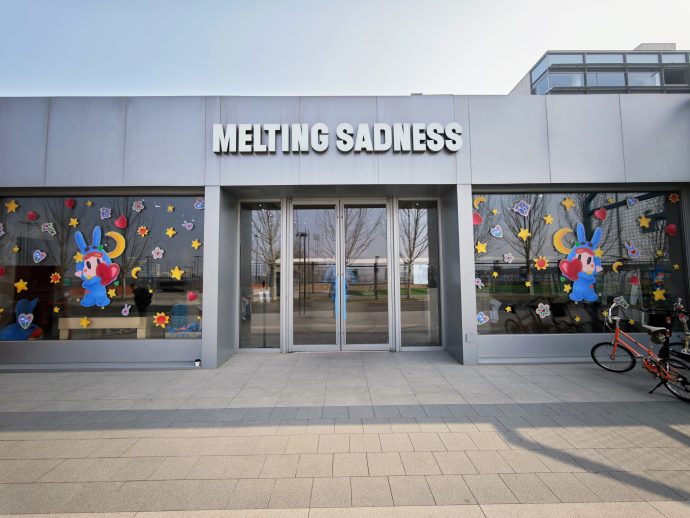
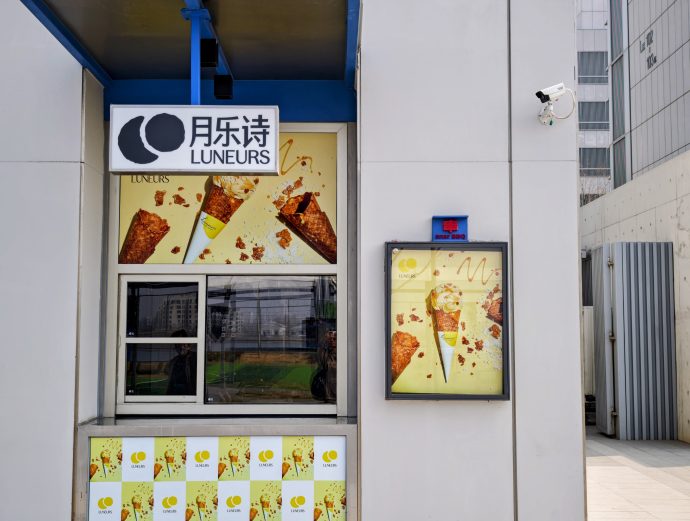
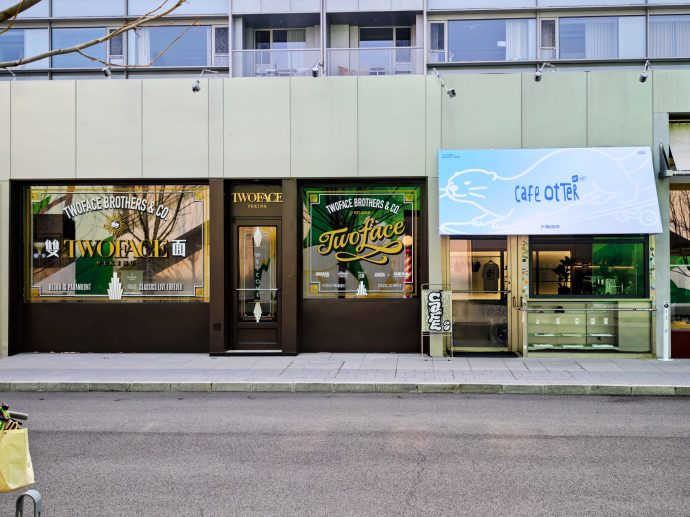
This place does not feel like a conventional Chinese beach resort. Instead, it feels quieter, more controlled and much more design-conscious with clean lines, open spaces, sculptural buildings and the kind of beach setting where everyone seems to be taking photos, but somehow the place still feels calm.
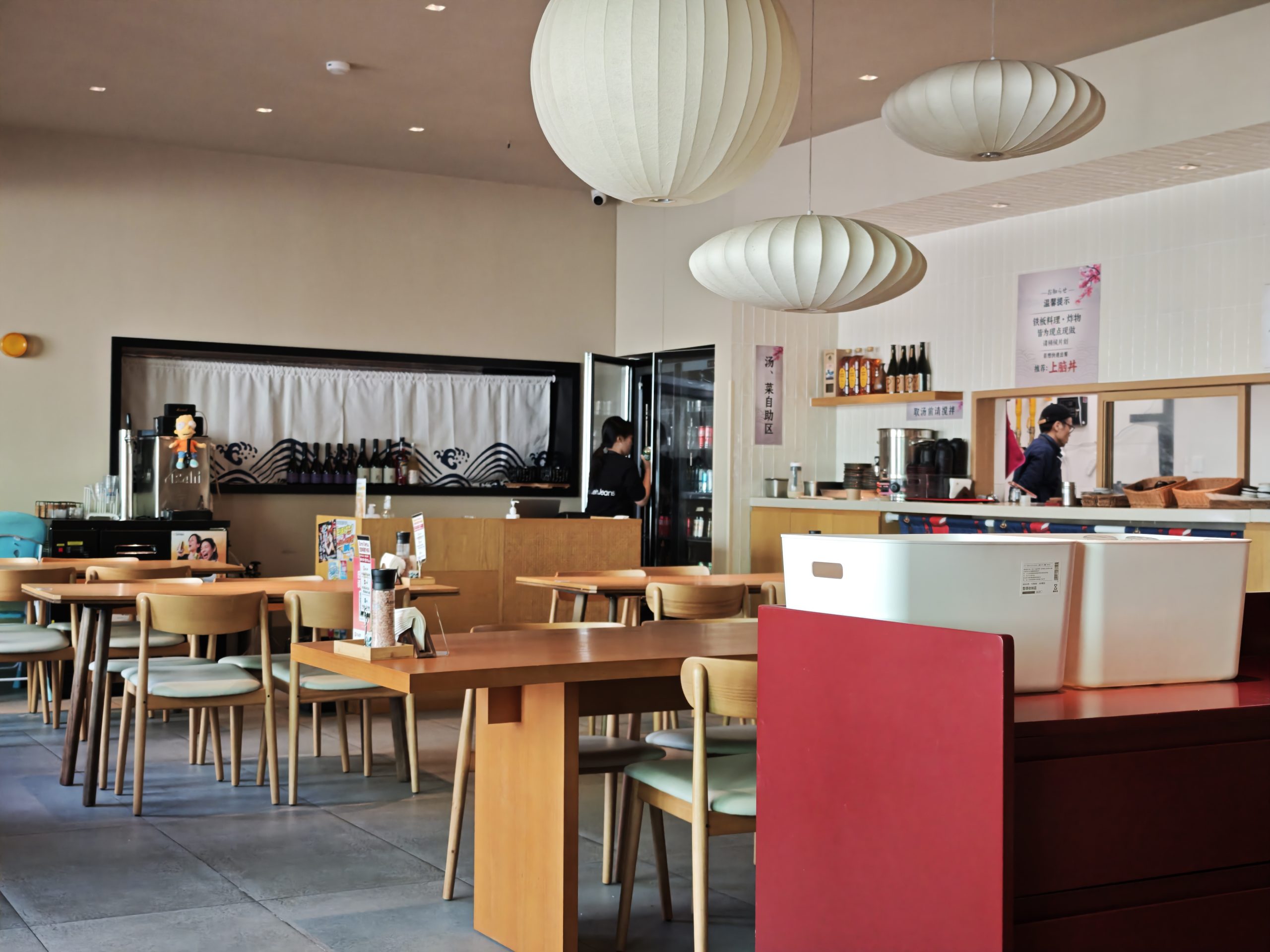
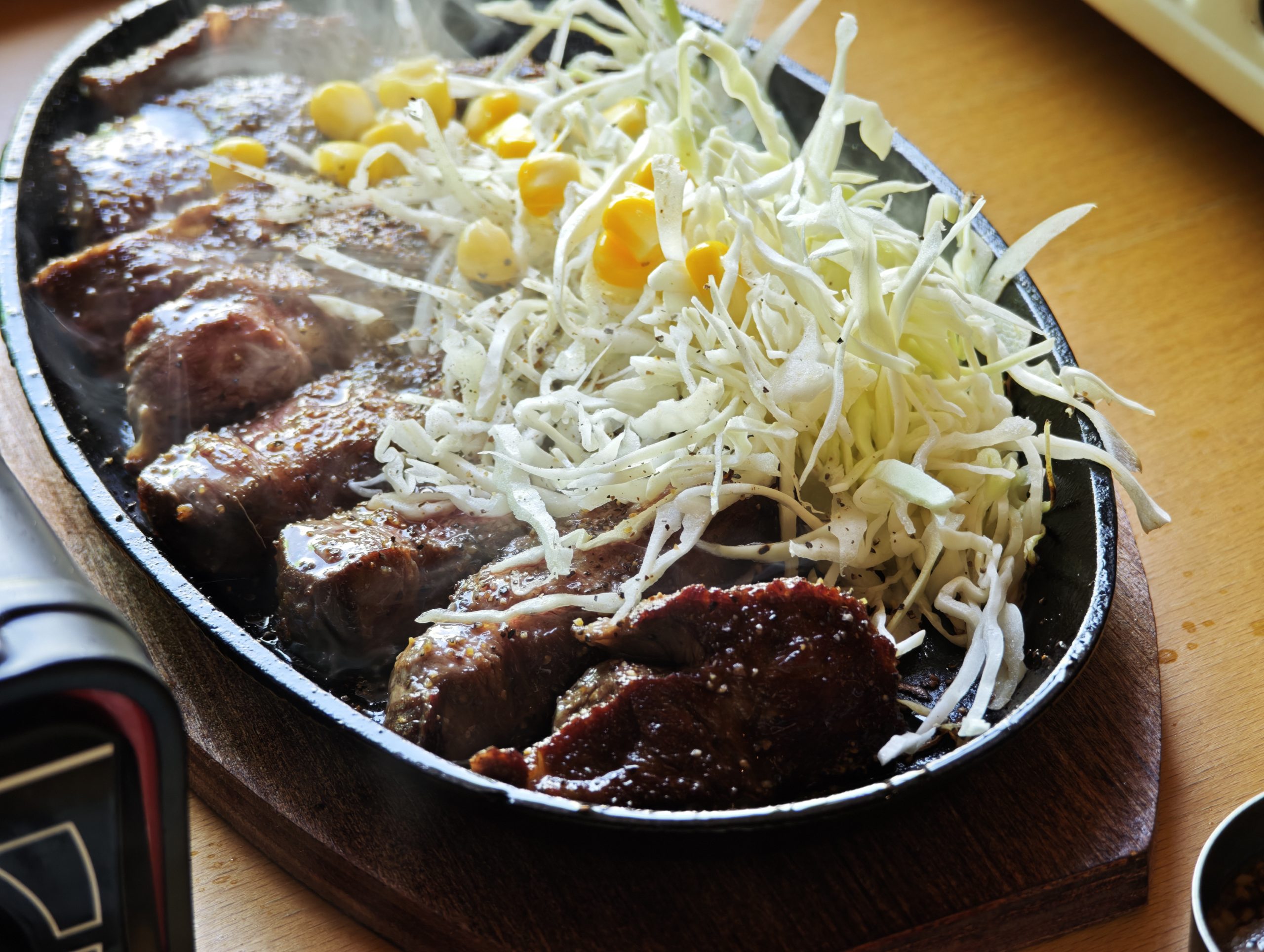
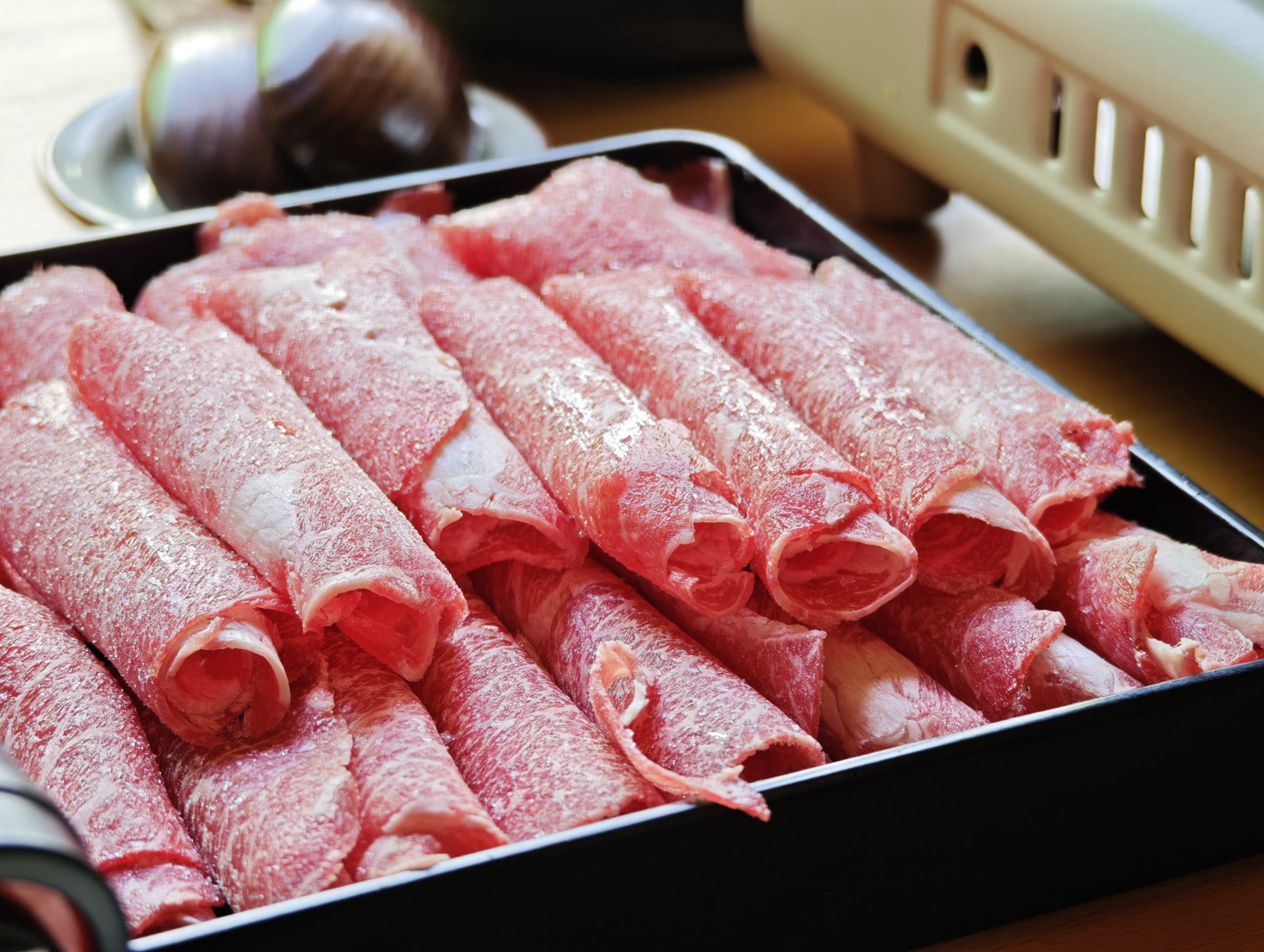
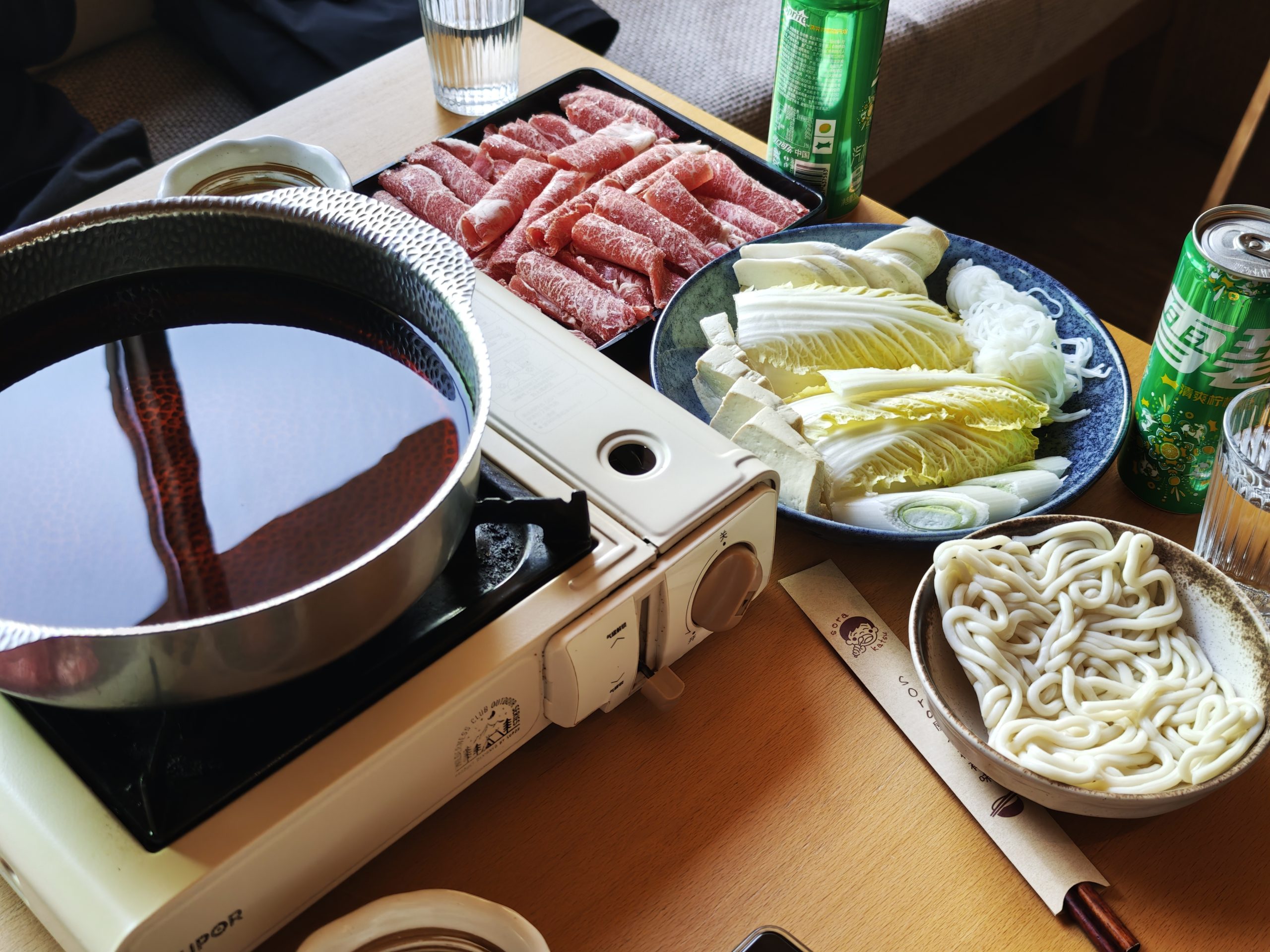
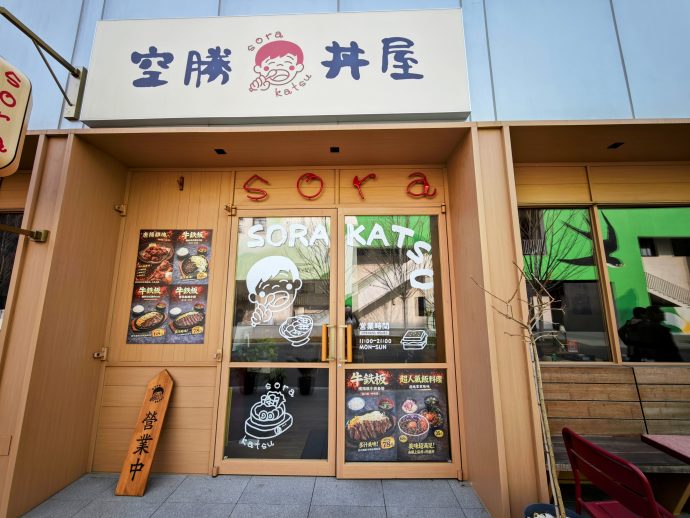
As part of the gated community, shuttle buses transport residents to near by cafes and amenities. For lunch in ARANYA, we stopped at Sora Katsu 空勝井屋, a casual Japanese-style eatery that felt like an easy comfort-food option after walking around the beach and open spaces. The restaurant had a bright, simple interior and a menu built around donburi, hotpot-style sets and sizzling plates. We ordered a beef hotpot set with thinly sliced beef, vegetables, tofu and udon, along with a sizzling beef plate served with cabbage and corn. It was warm, filling and convenient, exactly what we needed before continuing our afternoon around ARANYA.
One of ARANYA’s most eye-catching beach installations is the giant Hirono sculpture, which stands quietly on the sand near the sea. Hirono is a designer toy character created by contemporary Chinese artist Lang and produced by POP MART, with the character often used to express subtle human emotions, self-reflection and the quiet ups and downs of life. The ARANYA sculpture is titled “A Reticent Boy, Self-Repairing All Lifetime”, according to the inscription on the artwork.
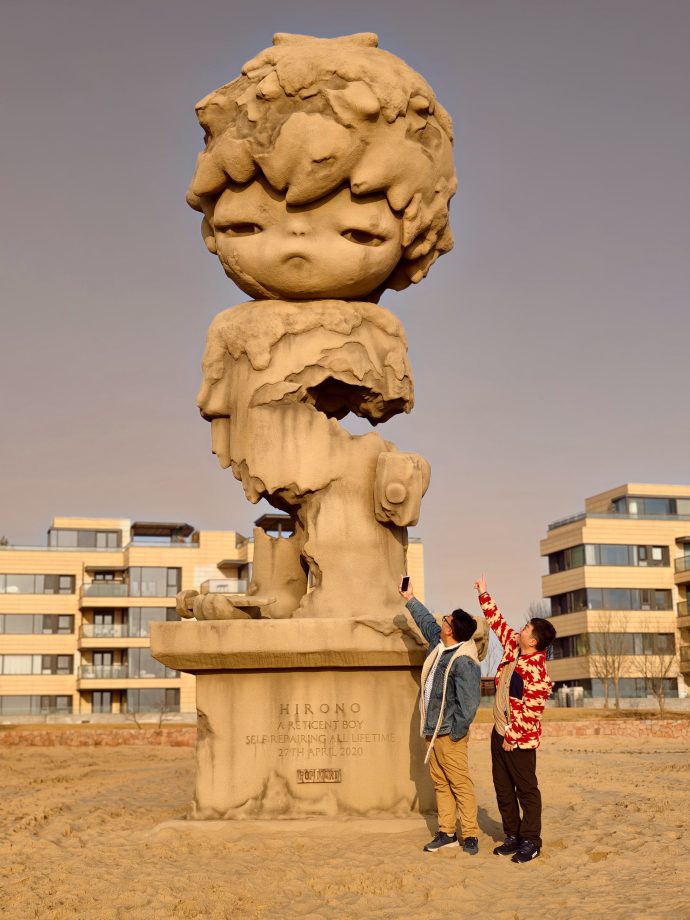
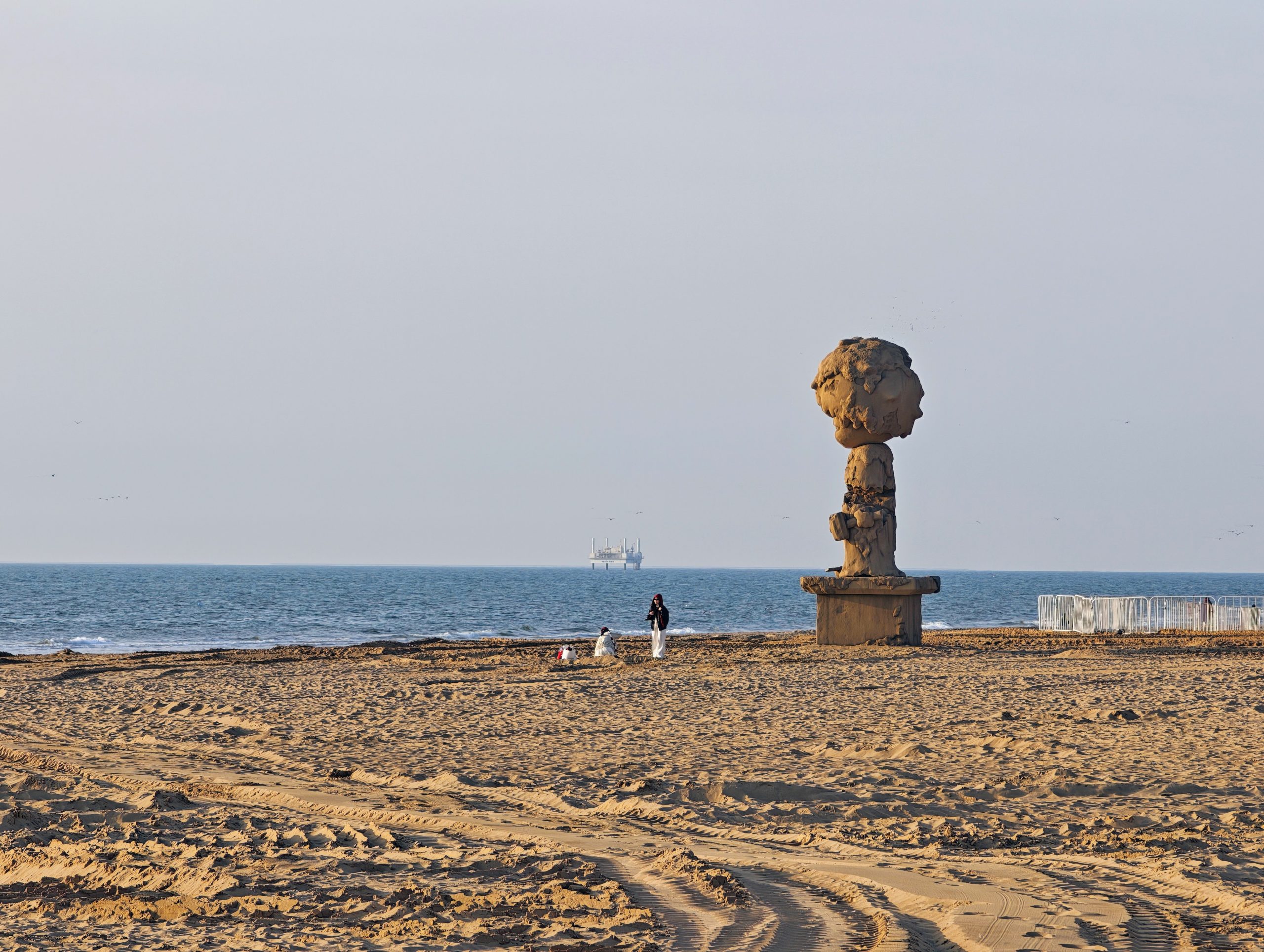
Its weathered, hollowed-out body makes it feel less like a cute photo prop and more like a piece about vulnerability, repair and growing through time. Placed against ARANYA’s open beach landscape, it fits the community’s design-led mood perfectly, playful enough for photos, but with a melancholic edge that makes you look twice.
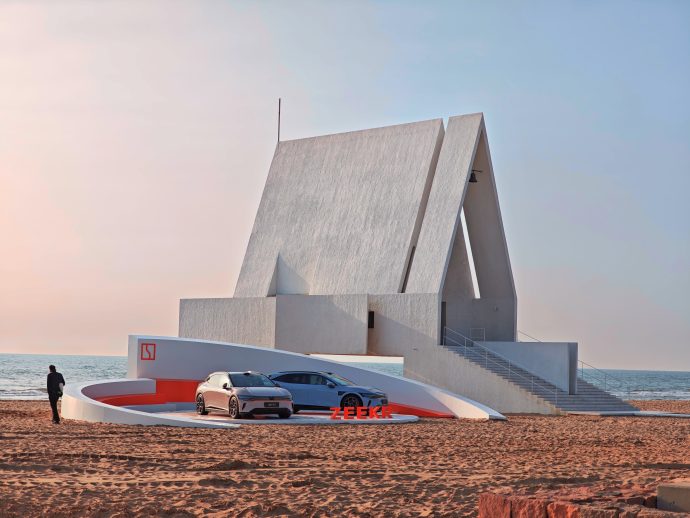
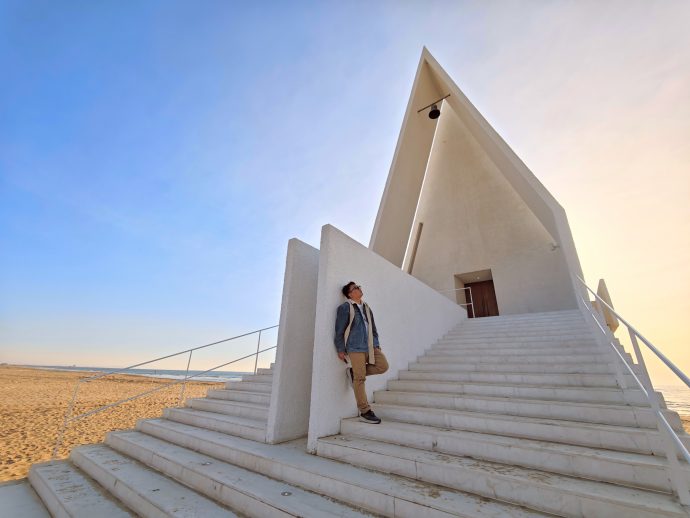
One of ARANYA’s most recognisable landmarks is the Seashore Chapel, a white, triangular chapel standing directly on the beach. Designed by Vector Architects and completed in 2015, the chapel was imagined as an old boat left behind on the sand after the sea receded. That idea makes sense when you see it in person. Its raised form, long stairs and clean white surfaces make it look almost like it is floating above the beach, with the Bohai Sea behind it. The building is not just for photos, though it is ridiculously photogenic. Its upper chapel space is designed to frame the ocean and control natural light, while the covered area below acts as a resting space for people on the beach. Together with ARANYA’s Seashore Library and other cultural spaces, it gives the community its calm, spiritual and design-led character.
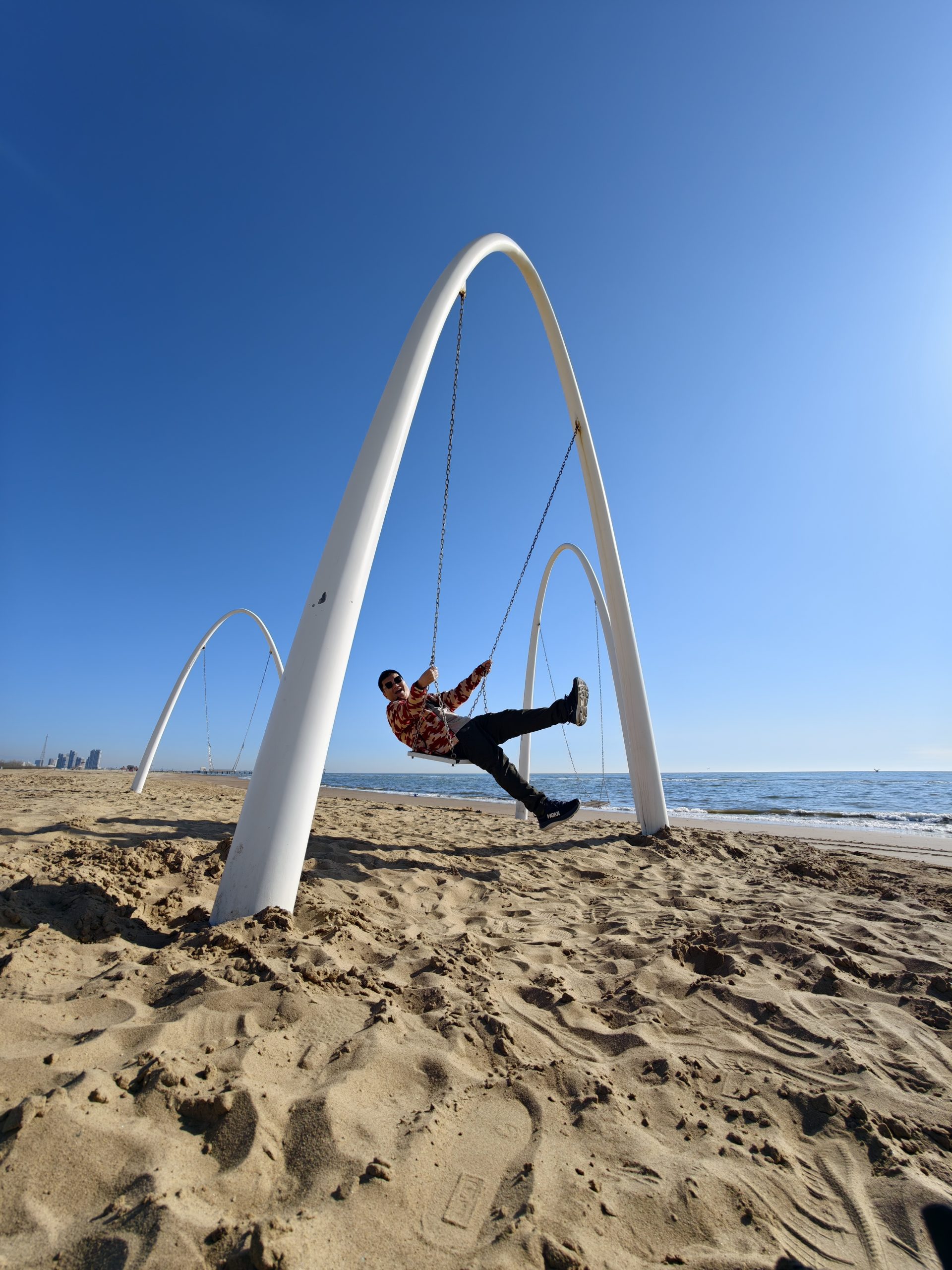
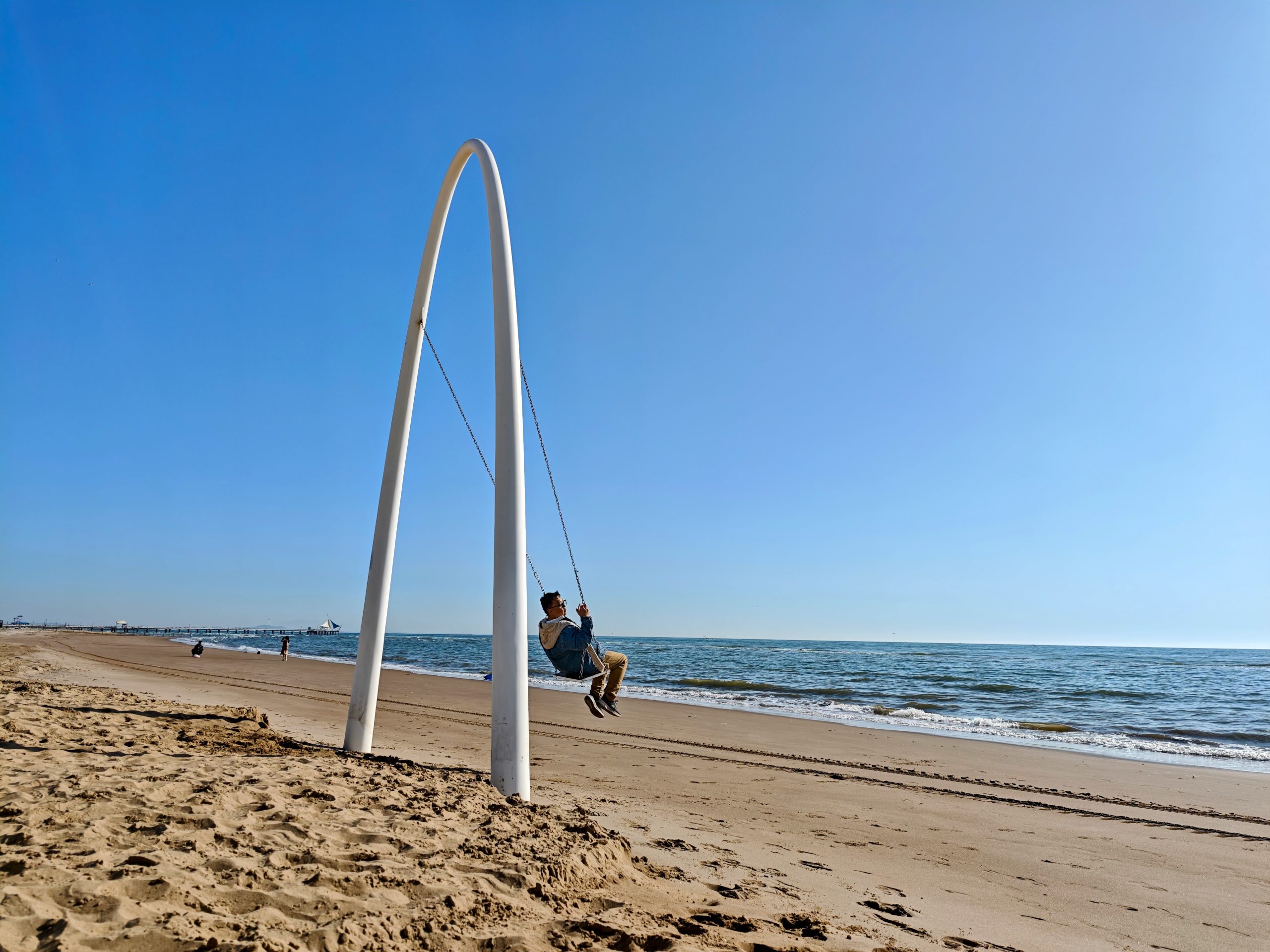
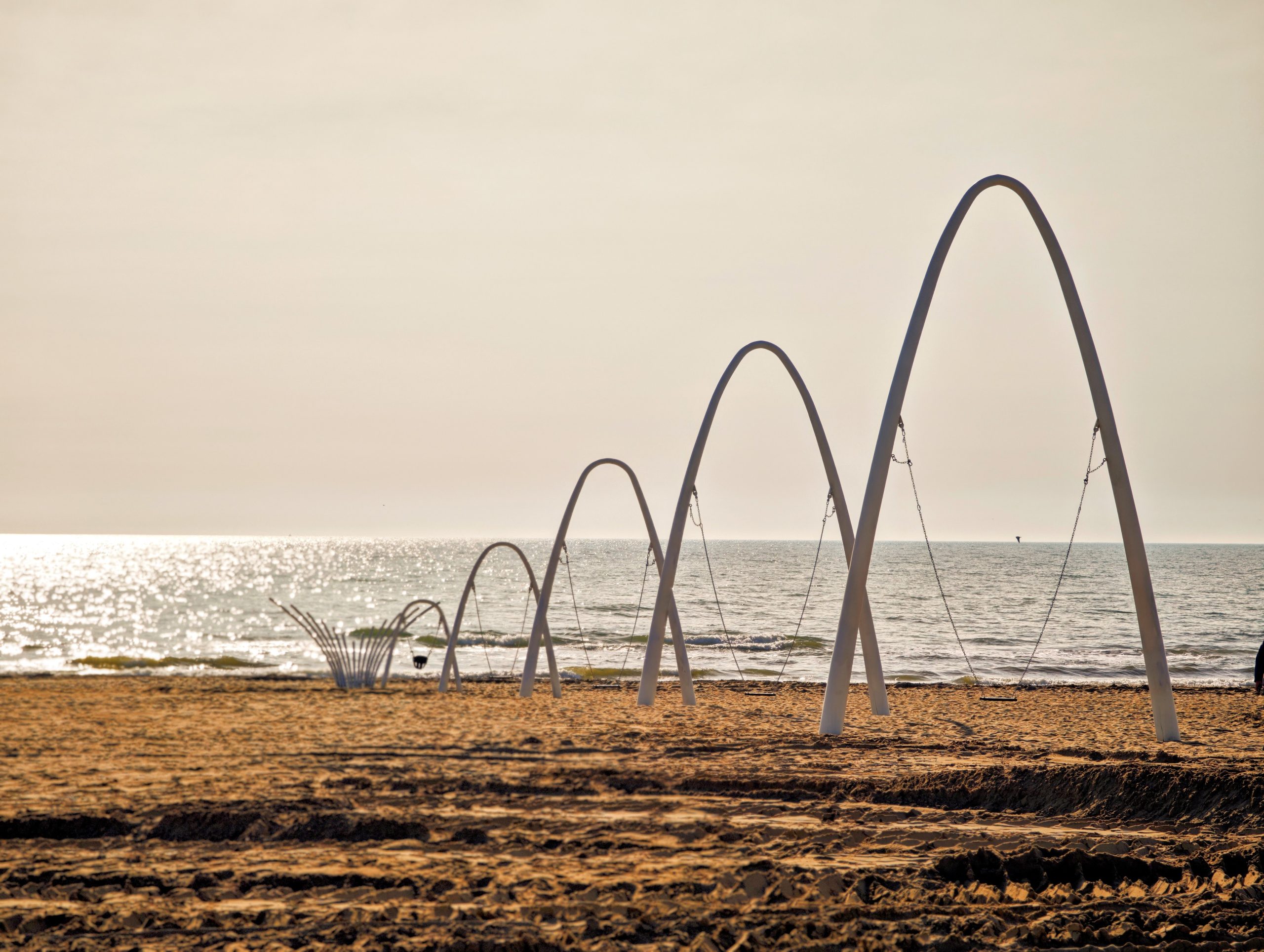
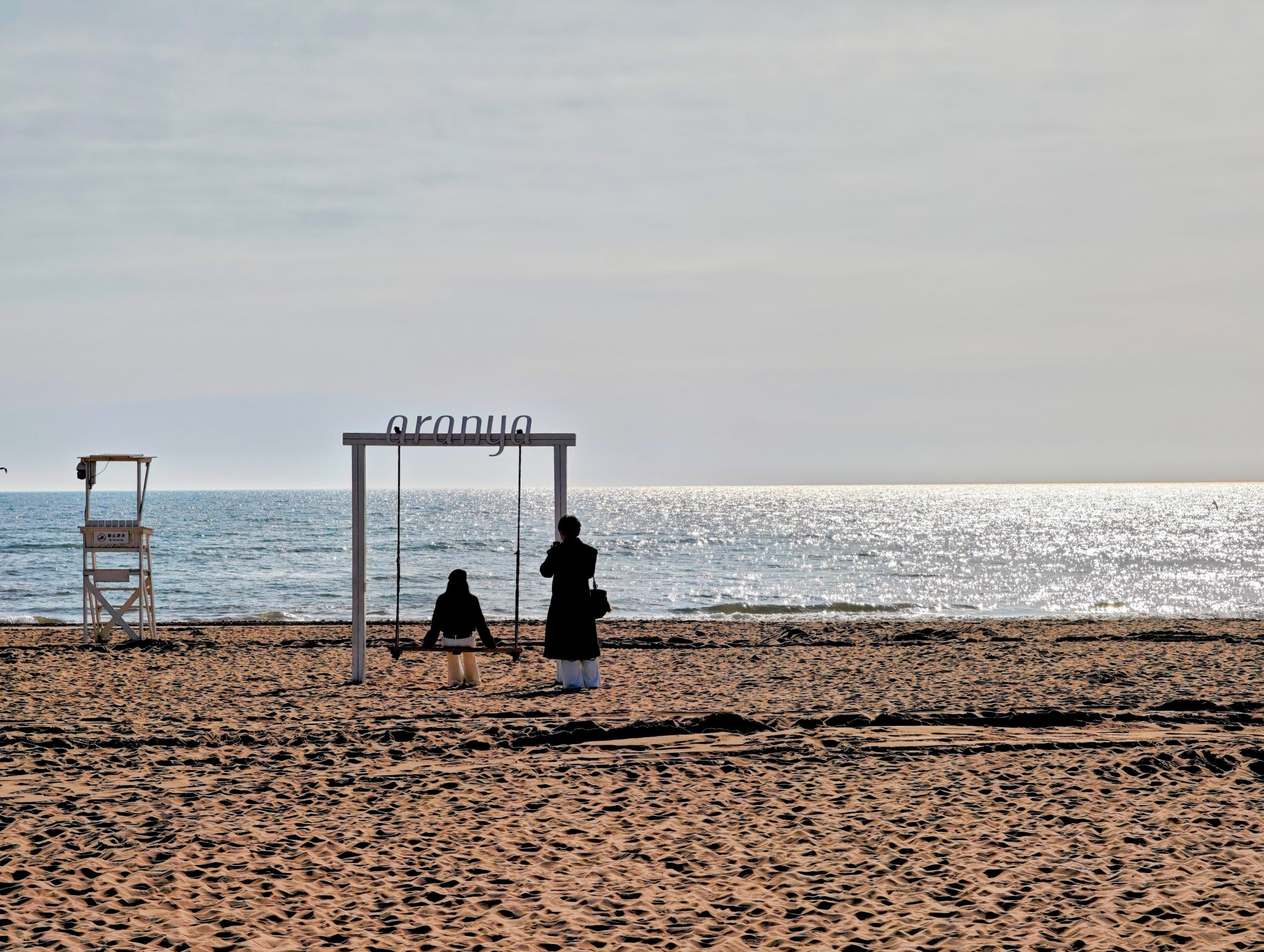
There were also multiple arched swings along the beach, which looked simple but worked beautifully in photos. Sometimes the most effective travel content is not the most complicated. It is just you, a clean frame, the sea, and hopefully the wind not destroying your hair too badly.
Staying At Lanci (Lanxi) Hotel 澜汐酒店
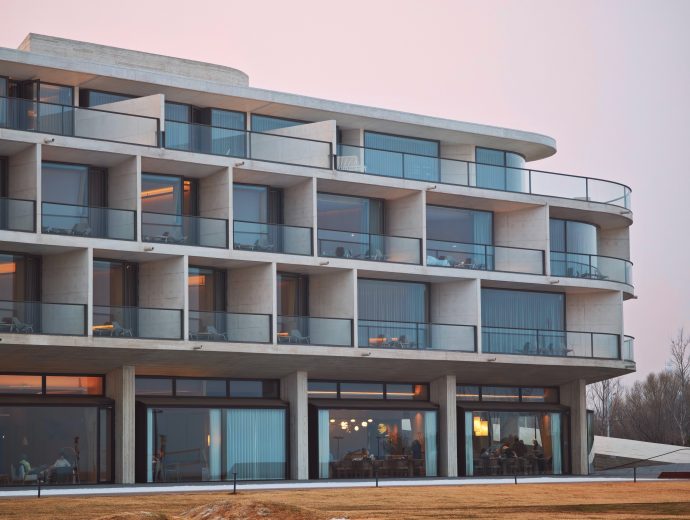
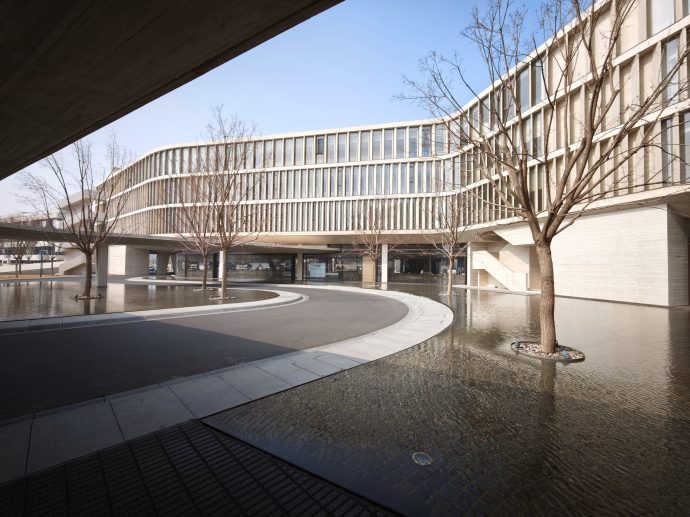
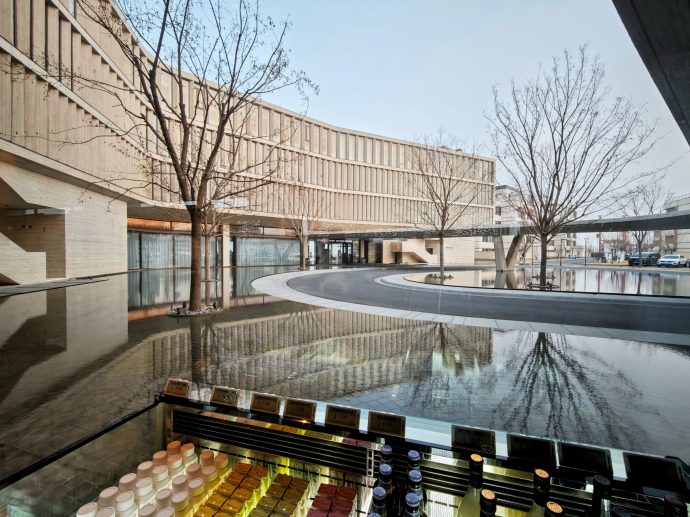
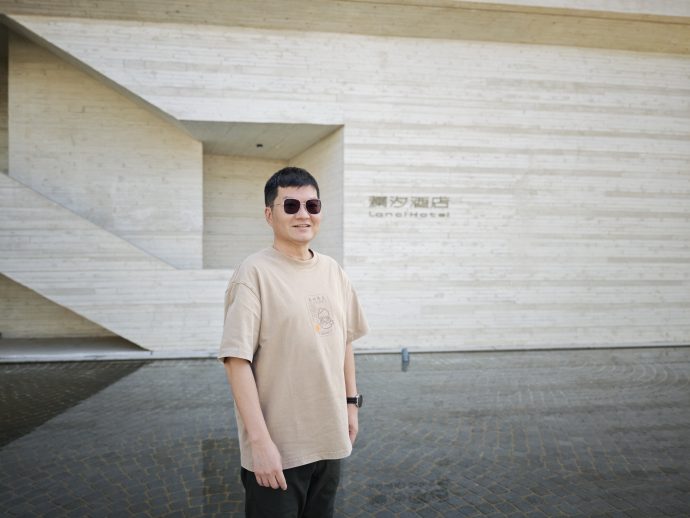
ARANYA Lanci Hotel (or Anaya Lanxi Hotel 澜汐酒店) was the stay that made Qinhuangdao feel like a proper hidden beach getaway. Opened in 2025, the hotel has 83 rooms and sits within ARANYA’s South Zone, close to the beach. It was designed under the direction of architect Zhang Ke from standardarchitecture / 标准营造, with the property positioned around architecture, interiors, art, local culture and a relaxed seaside mood. The hotel faces the open sea and comes with resort-style facilities including a lobby bar, outdoor pool, restaurant, gym and private beach area. What made it work for us was its location inside ARANYA itself.
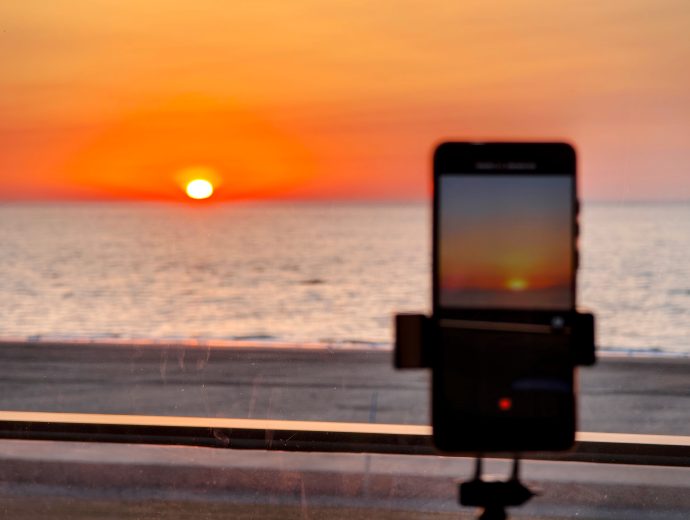
After staying in the city at Shangri-La Qinhuangdao, Lanci Hotel gave the trip a quieter, more design-led beach escape, with easy access to the Seashore Chapel, Hirono sculpture, beach swings and sunrise views.
There is something very calming about waking up, looking out to the sea, and realising you are in a part of China that most travellers from Singapore probably do not know about.
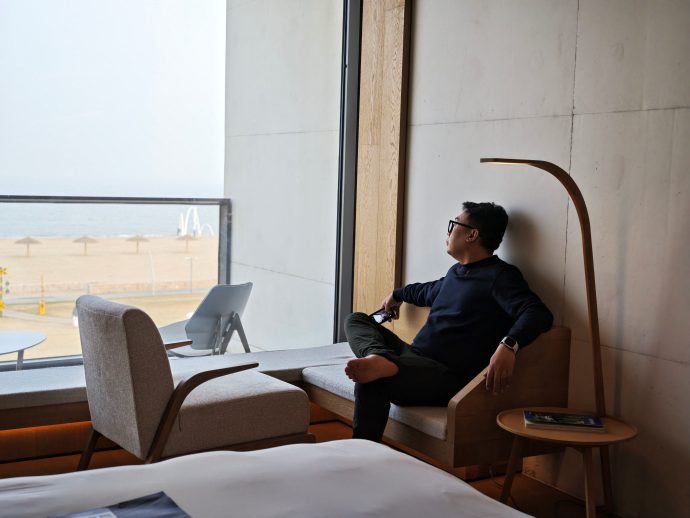
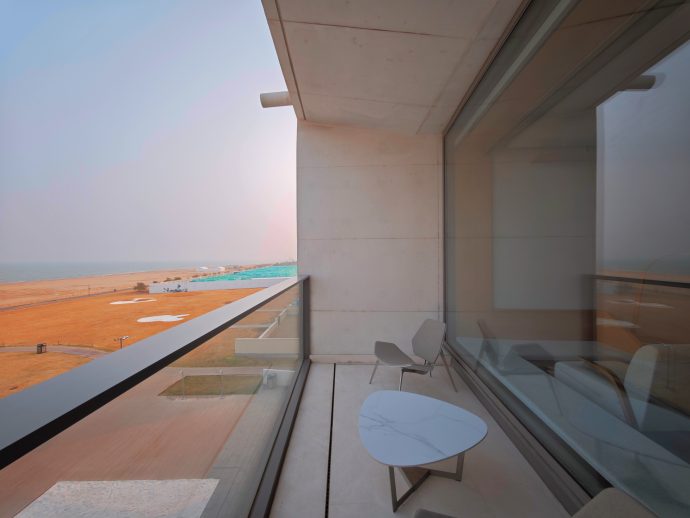
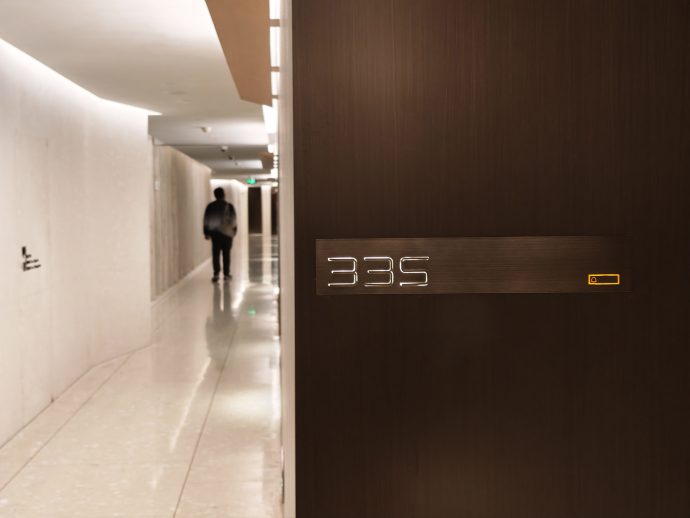
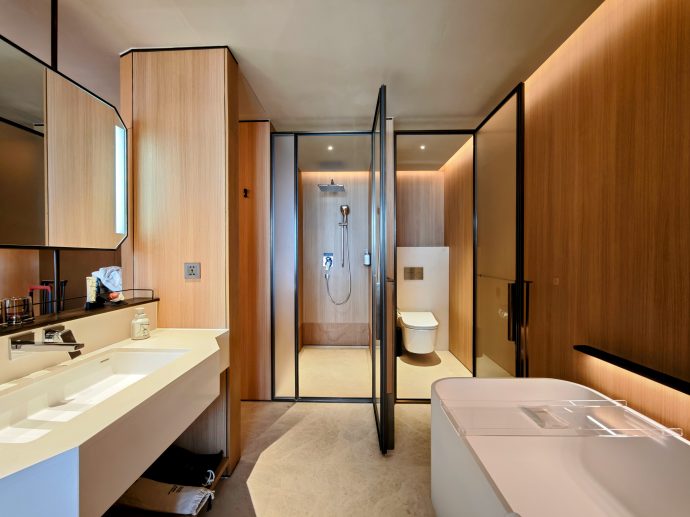
The hotel felt minimalist, quiet and more intimate compared with the larger city-hotel feel of Shangri-La. Less about grand lobbies and more about slowing down. It suited ARANYA’s whole personality, a beach community where design, lifestyle and the sea come together.
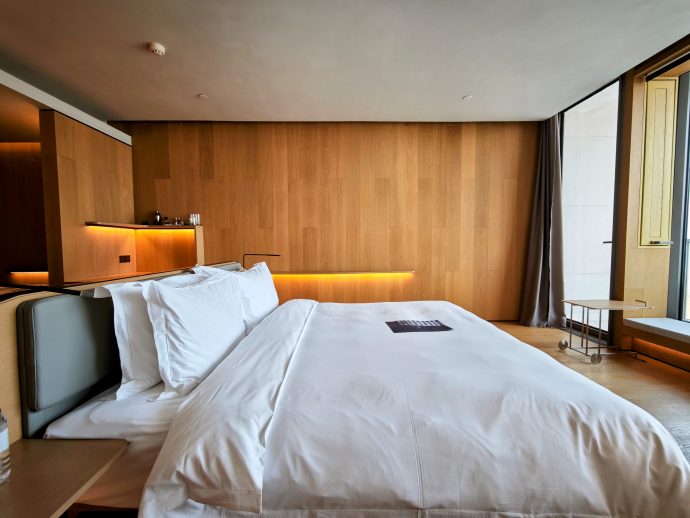
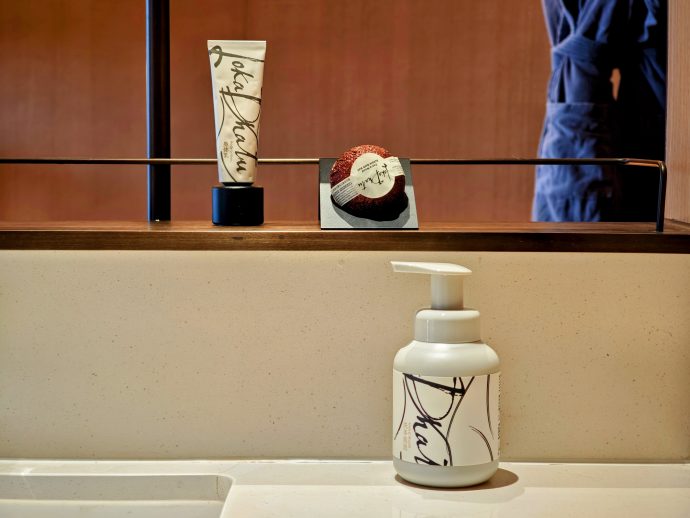
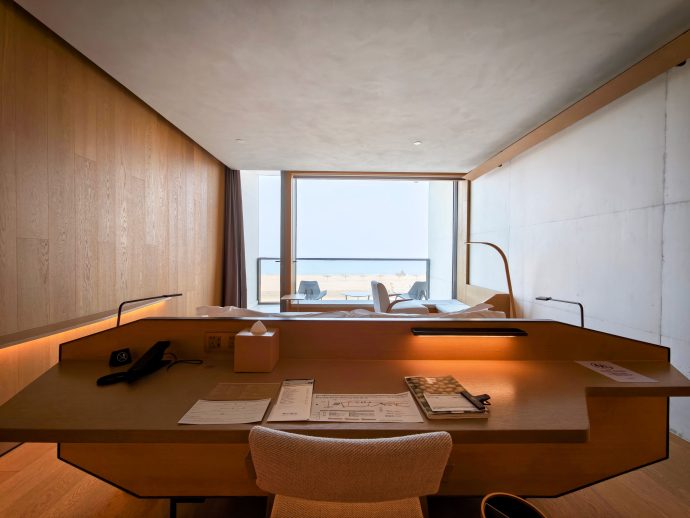
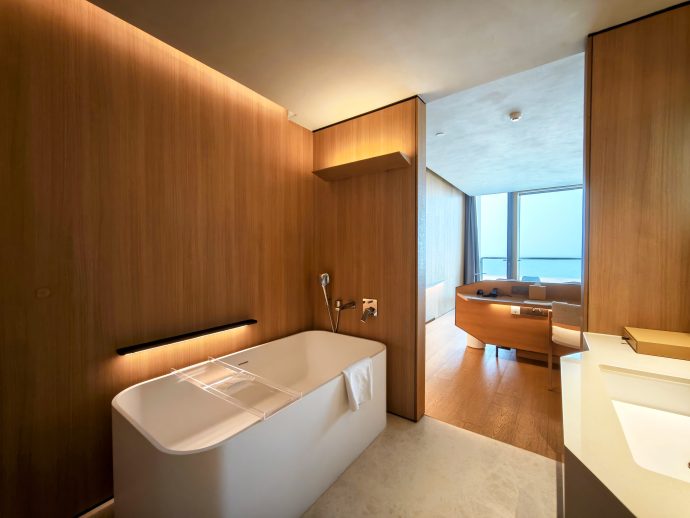
ARANYA and Lanci Hotel (or Lanxi Hotel) are very rewarding visually. The sunrise, chapel, beach, sculpture, swings, and architecture offer many different frames within a compact area. You do not need to work too hard to find good angles.
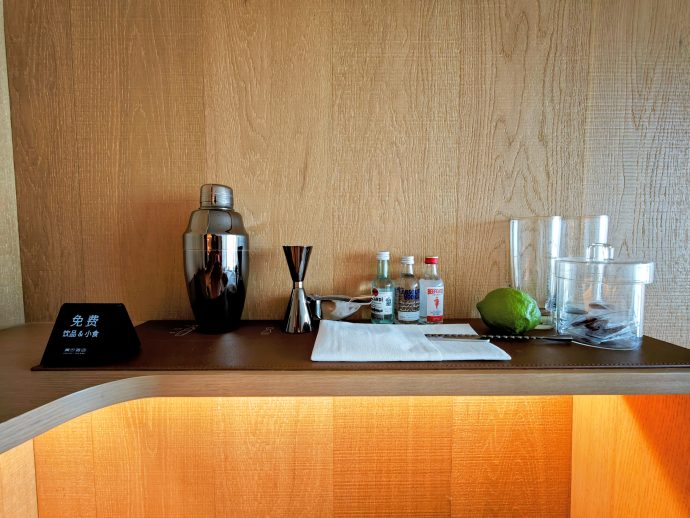
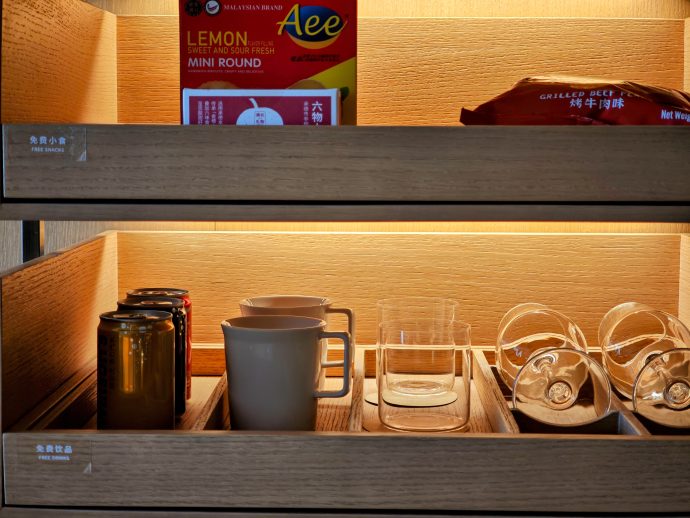
Another small touch we appreciated at Lanci Hotel was the complimentary minibar. It was not overly extravagant, but it was thoughtful and useful, with drinks (alcohol too with instructions and a cocktail shaker and a fresh lemon to make a cocktail) and snacks that came in handy after exploring ARANYA’s beach and open-air spaces. It also added to the relaxed resort feel of the stay. When you are already inside a gated seaside community, small conveniences like this make it easier to slow down, stay in and enjoy the room without constantly having to look for the nearest shop.
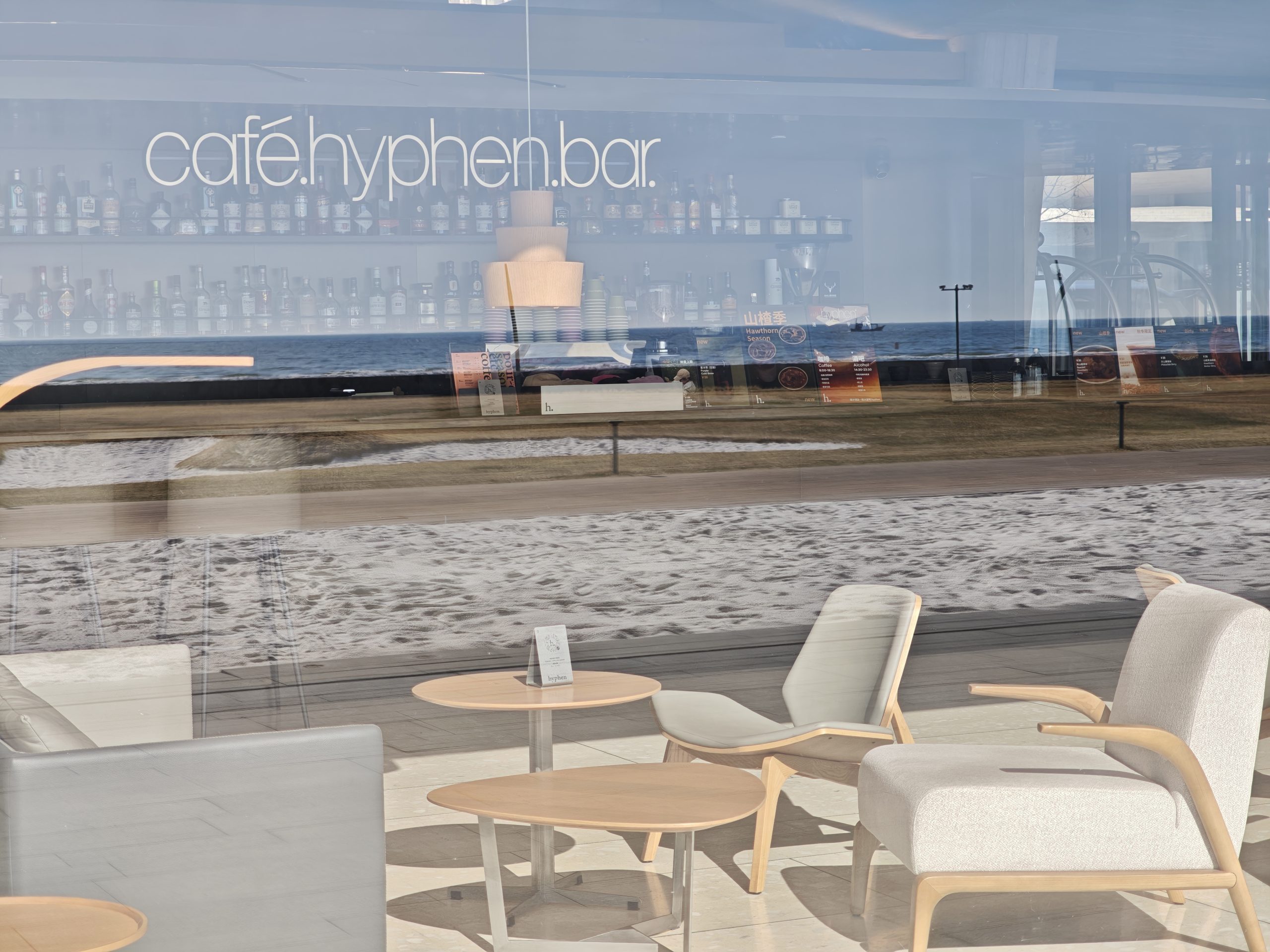
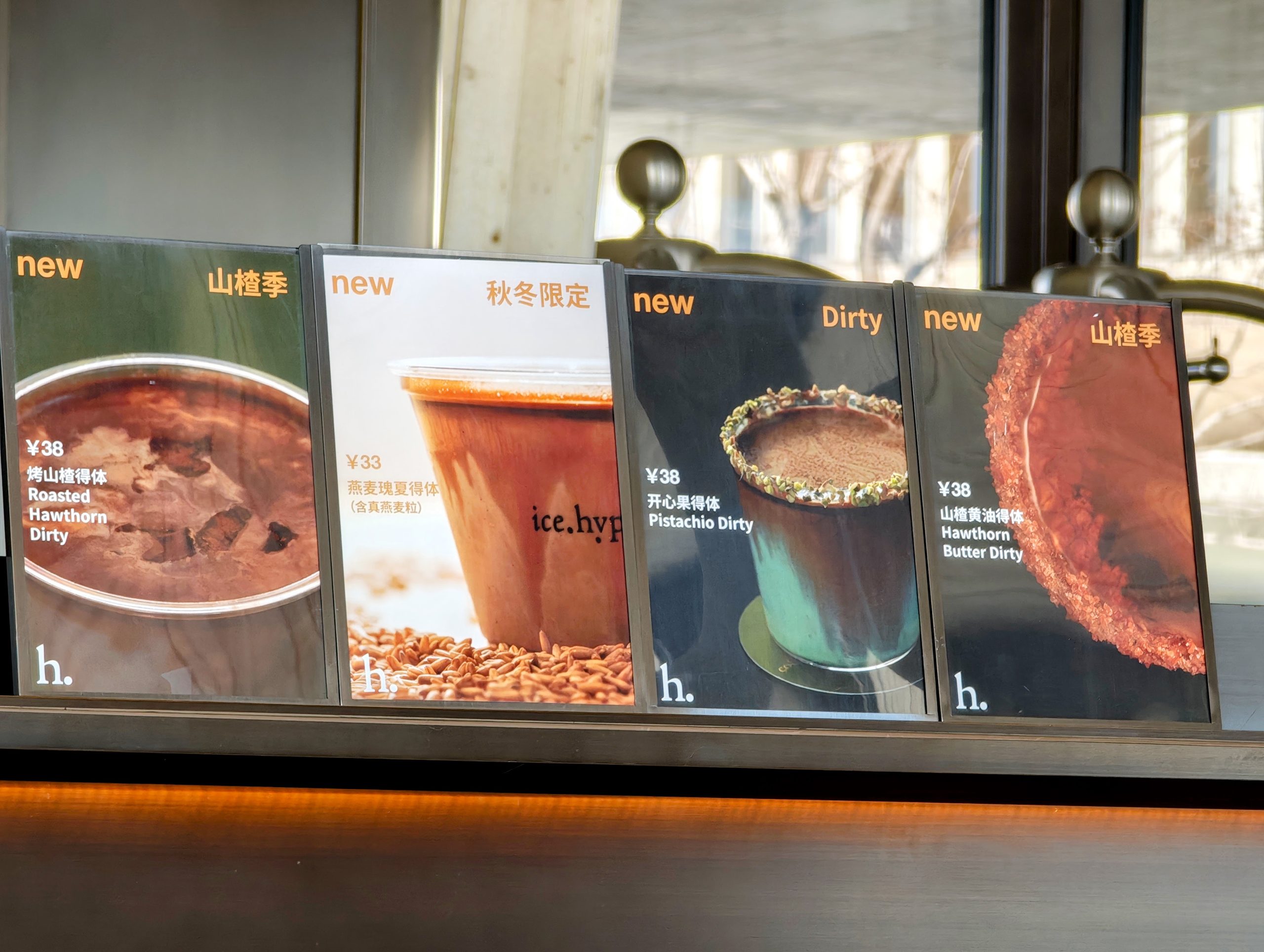
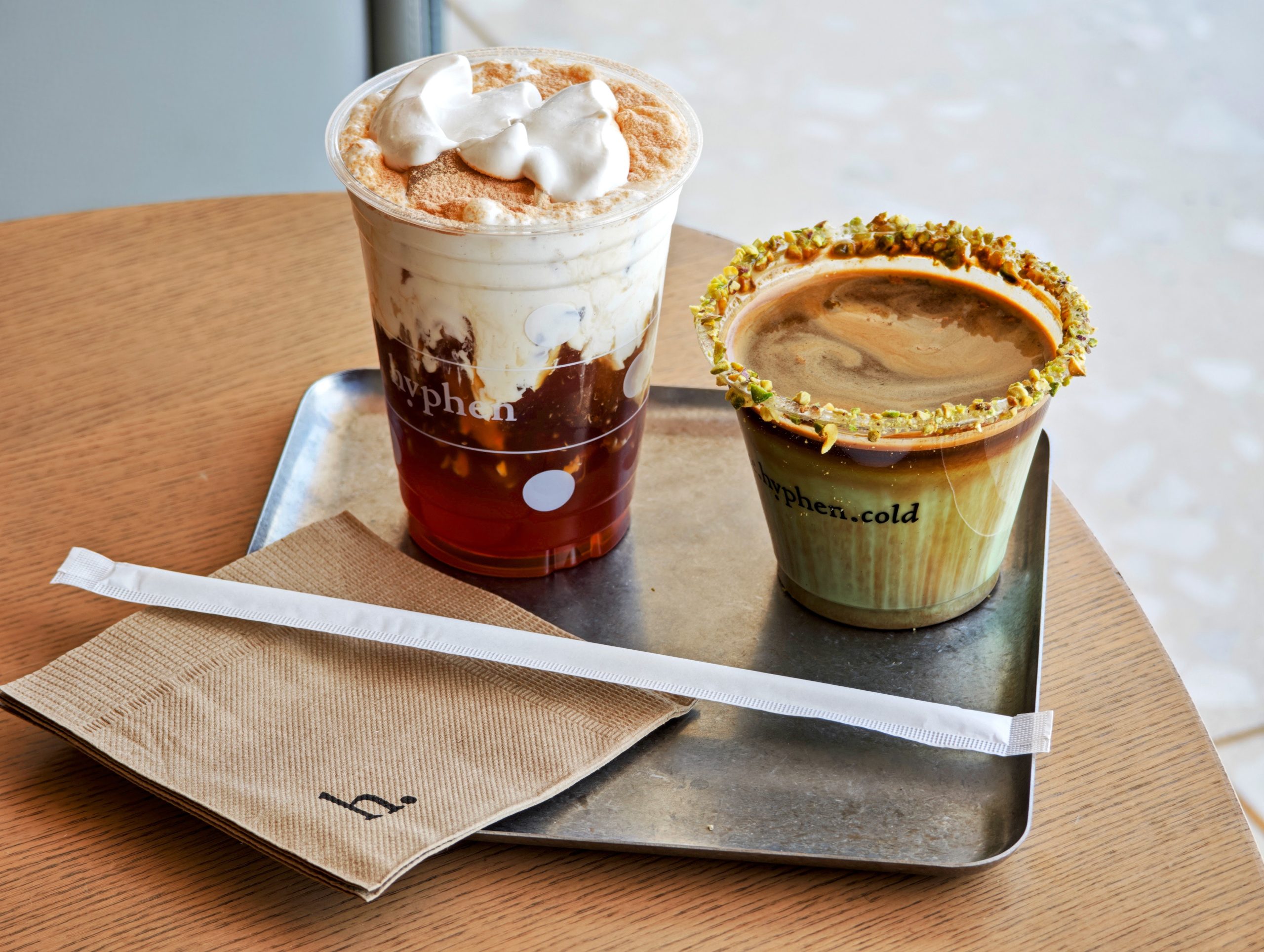
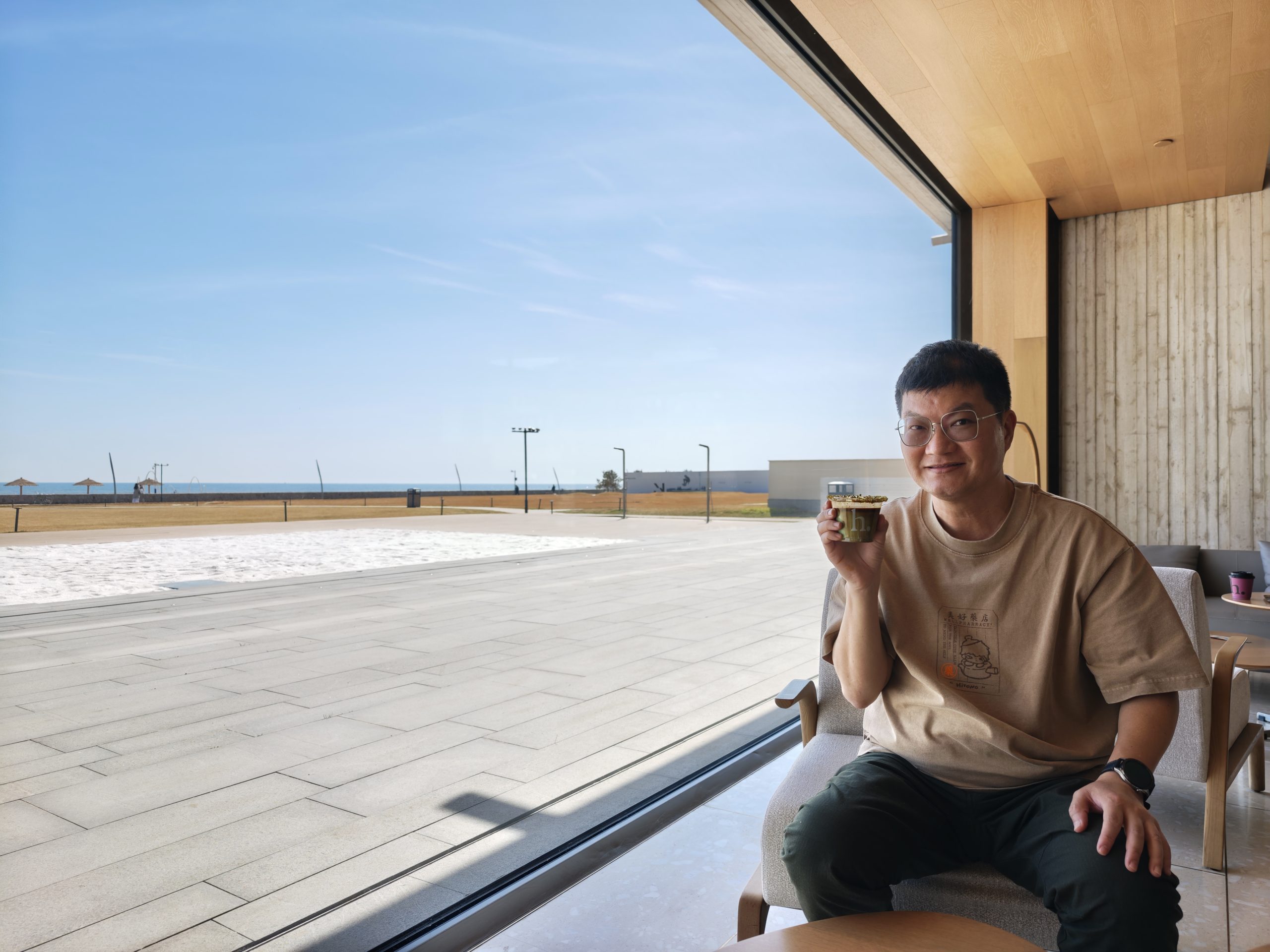
Inside Lanci Hotel, we also stopped by café.hyphen.bar, or simply hyphen, a stylish lobby café by day and bar by afternoon. It serves coffee from 8am to 6.30pm, before switching into alcohol mode from 2.30pm to 11.30pm. The menu had some fun creations, including Geisha coffee, dirty coffee variations, hawthorn-themed drinks and cocktails. We tried two of the seasonal coffees, including the Pistachio Dirty and a creamy hawthorn drink, which felt very ARANYA, polished, photogenic and just a little bit extra. Perfect for a slow beachside coffee break before heading back out to explore.
Why Visit Qinhuangdao?
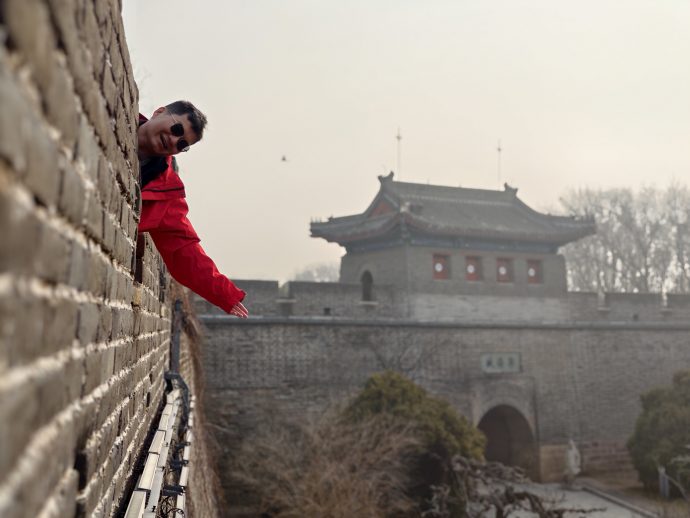
Qinhuangdao is worth considering if you want a China trip that feels different from the usual Shanghai, Beijing, Hangzhou or Suzhou route.
It combines three things that do not usually come together so neatly: the Great Wall, the Bohai Sea and a modern design-led beach community. You can visit Laolongtou and Shanhaiguan for history, eat seafood, stay by the coast, then spend time in ARANYA for architecture, sunrise views and lifestyle content.
For Singapore travellers, I would not say Qinhuangdao should replace your first trip to China. But if you have already visited the major cities and want somewhere less expected, this is a destination that rewards curiosity. It is especially useful as an extension from Beijing, or as a more adventurous add-on from Shanghai if flight and train timings work for you.
When Is The Best Time To Visit Qinhuangdao?
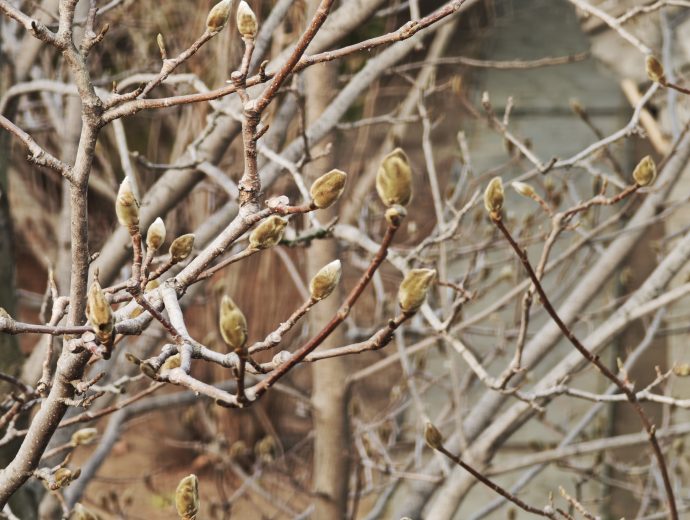
Late March to early April worked well for us because it was low season. The weather was cool, the crowds were manageable and ARANYA felt peaceful. This is a good period if you want photos, quiet beach walks and lower-season travel vibes. Just do not expect a summer beach holiday.
May, June, September and October are probably the sweet spots for many travellers, with better weather and a more comfortable seaside atmosphere. Summer from June to September is peak season, especially in Beidaihe. That is when the beaches are livelier, hotels can be busier, and you should book earlier.
If your priority is swimming, beach energy and summer atmosphere, go in summer. If your priority is photography, design, history and a more relaxed experience, shoulder season may suit you better.
Suggested 3D2N Qinhuangdao Itinerary
| Day | What to Do | Where To Stay |
|---|---|---|
| Day 1 | Arrive in Qinhuangdao, check in, seafood dinner, explore a local mall or neighbourhood | Shangri-La Qinhuangdao |
| Day 2 | Visit Laolongtou and Shanhaiguan Pass, transfer to Beidaihe and ARANYA | Lanci Hotel, ARANYA |
| Day 3 | Sunrise by the beach, ARANYA chapel, Hirono sculpture, arched swings, cafés, depart | Depart from Qinhuangdao or continue to Beijing |
Final Thoughts
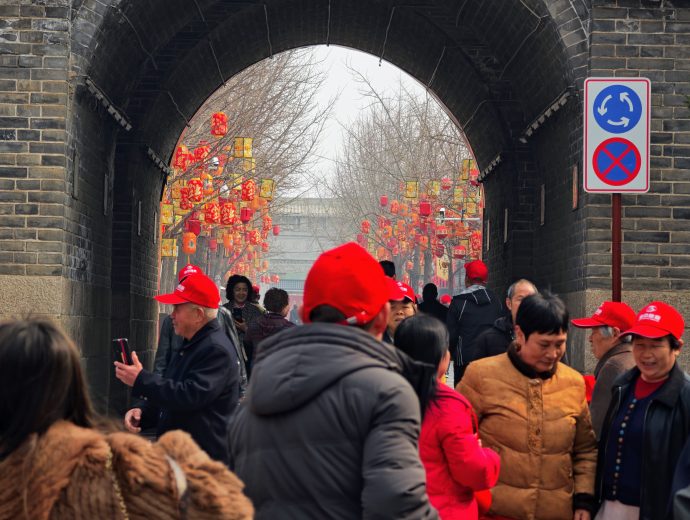
Qinhuangdao was not on our radar. It was not a destination we planned years in advance, and it was definitely not the first place that came to mind when we thought of travelling in China.
But that is exactly why it was interesting.
It gave us a different side of China, one with the Great Wall meeting the sea, a quiet low-season coastline, seafood dinners, old town streets, a comfortable Shangri-La stay and a very photogenic ARANYA beach escape.
Sometimes the best travel discoveries are the places you did not know you were looking for. Qinhuangdao turned out to be one of them.