
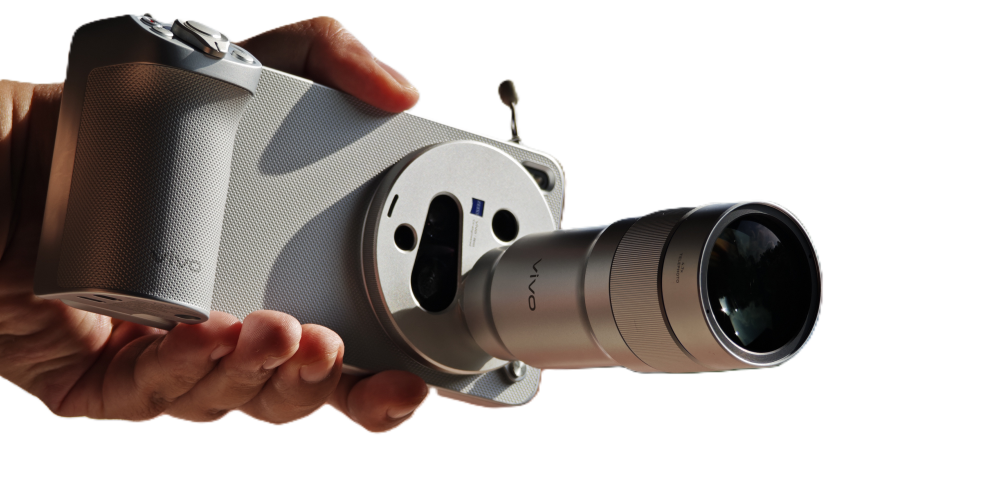



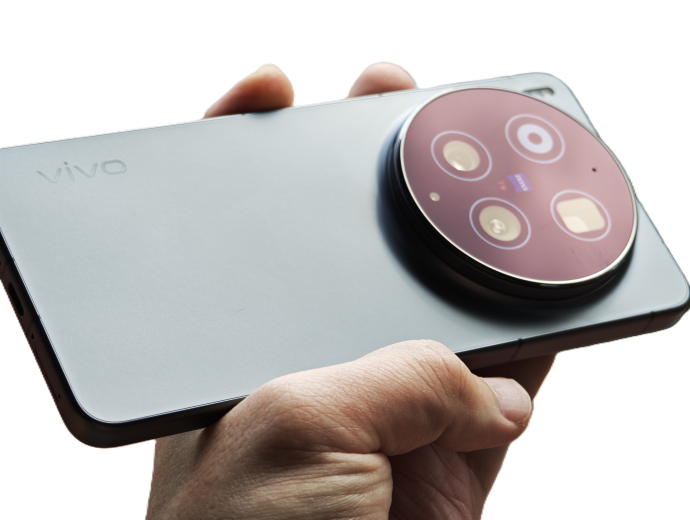
vivo’s Ultra camera phone has finally gone global. The vivo X300 Ultra Global Edition makes its world debut with Singapore among its first markets, unlike last year’s X200 Ultra, which remained officially limited to China. That did not stop Dennis, our tech editor, who was so impressed by the X200 Ultra’s photo and video performance that he bought the China version and made it his daily workhorse. The X200 Ultra Photographer Kit cost under S$3,000. This year, the vivo X300 Ultra Photographer Kit arrives in Singapore at S$3,299, bringing vivo’s most serious mobile imaging setup to global buyers, but at a sharper premium.
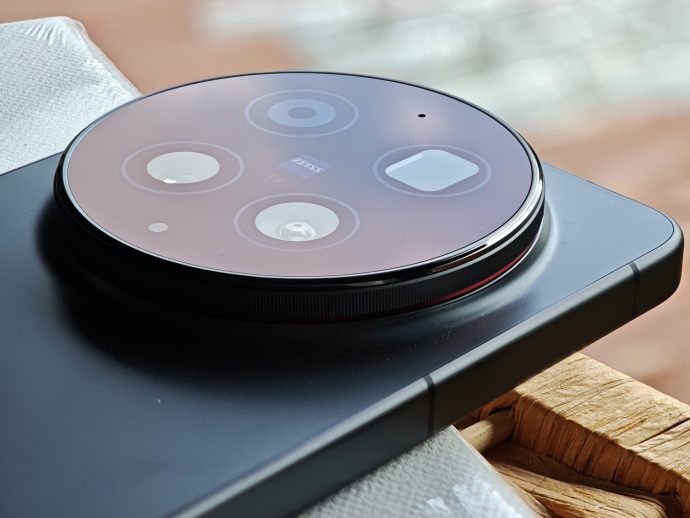
In Singapore, the vivo X300 Ultra comes in a 16GB RAM and 1TB storage configuration, priced at S$2,499. The vivo X300 Ultra with Photographer Kit is priced at S$3,299. It is now available in Steppe Green and Volcano Black.
vivo X300 Ultra Singapore Pricing And Availability
| Model | Price | Configuration | Colours |
|---|---|---|---|
| vivo X300 Ultra | S$2,499 | 16GB RAM + 1TB storage | Steppe Green, Volcano Black |
| vivo X300 Ultra with Photographer Kit | S$3,299 | 16GB RAM + 1TB storage | Steppe Green, Volcano Black |
All purchases come with a vivo WATCH GT 2 worth S$199, two years of local warranty and three months of screen care. Purchases of the vivo X300 Ultra with Photographer Kit also receive a vivo Ultra Camera Bag worth S$49.
Why This Is Not Just Another Camera Phone
Most camera phone launches still revolve around megapixels. The vivo X300 Ultra is more interesting because it behaves more like a compact lens system. Its ZEISS Master Lenses Collection covers three core focal lengths, a 14mm ultra-wide camera, a 35mm documentary camera and an 85mm gimbal-grade APO telephoto camera.
The 35mm ZEISS Documentary Camera is the one that makes the most sense for street, travel and lifestyle shooting. It gives a more natural perspective than the wider default lenses used by many smartphones, which often make people and spaces look more stretched than they should. The 85mm telephoto camera, meanwhile, uses a 200MP sensor with 3-degree gimbal-grade OIS and 60fps AF tracking (in snapshot mode), making it useful for portraits, concerts, wildlife and distant details. The 14mm ultra-wide is not just there to make up the numbers either, with vivo positioning it as a main-camera-grade ultra-wide lens for landscapes, architecture and wide scenes.
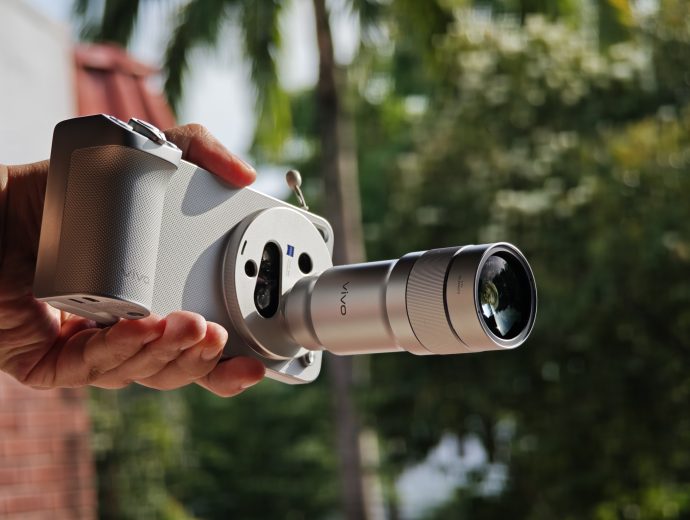
The Photographer Kit pushes the phone closer to a travel camera system. It includes the 200mm equivalent vivo ZEISS Telephoto Extender Gen 2 and the 400mm equivalent vivo ZEISS Telephoto Extender Gen 2 Ultra, along with the imaging grip, lens adapter ring, mount rings, filter adapter ring, strap, tripod collar ring and professional imaging phone case. That is a serious setup, but still far easier to travel with than a separate camera body, long lens and accessories.
This is where the X300 Ultra starts to make sense for casual photographers who want better shots without becoming pack mule uncle at the airport. You still get a phone that slips into daily life, but you also get proper focal length options for portraits, food, architecture, landscapes, performances and travel details. It is not about replacing a full professional camera kit for every job. It is about giving travellers and creators a lighter way to capture more than the usual wide-angle phone snapshot.
Built For Video Creators Too
The X300 Ultra is not only pitching itself at still photographers. It supports multi-focal 4K 120fps 10-bit Log video and multi-focal 4K 120fps Dolby Vision video across its rear cameras. It also offers Pro Video Mode, custom 3D LUT preview while recording in Log, and compatibility with ACES workflows for post-production. For creators, that means the phone can handle travel reels, event footage, food videos, hotel walkthroughs, and more serious colour-grading work without needing to start with a large camera setup.
Sound also gets attention through an upgraded quad-mic recording system. That matters more than most brands admit. Good video can still feel unusable if the audio is messy, especially when filming outdoors, at launches, in restaurants or at live events. We have not had the chance to properly test the video features yet, as the review unit only arrived recently.
Why Travellers Should Care
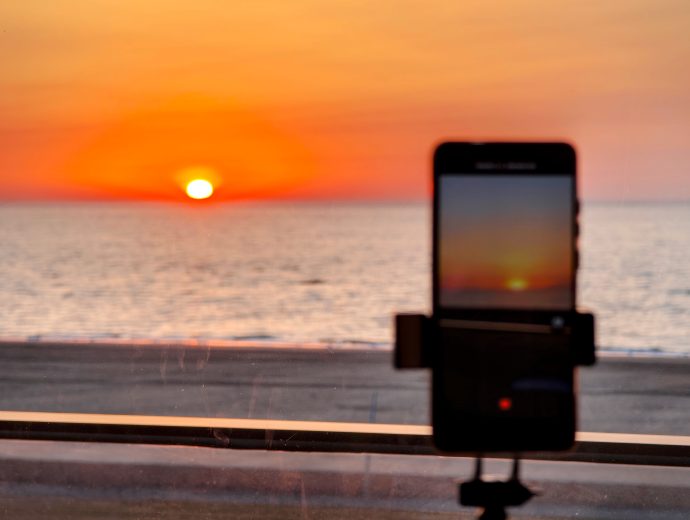
For travellers, the best camera is often the one that does not make you rethink your packing list. The X300 Ultra is not a small phone in the usual sense, but it is far more manageable than carrying a camera body and multiple lenses. The Volcano Black edition weighs 232g, while the Steppe Green version keeps a slim 8.49mm profile according to vivo’s press materials.
The 200mm telephoto extender has also been reduced to 153g, making it easier to bring along when you know you will need reach but do not want the full bulk of a telephoto lens. This is useful for safaris, cruises, concerts, city skylines, mountain viewpoints, street details and all those “eh, can zoom more or not?” travel moments.
More Than A Camera Phone
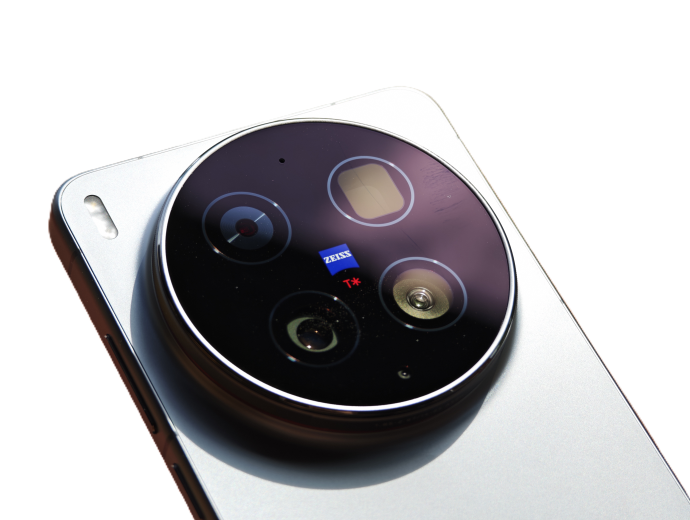
The X300 Ultra also has to work as a daily flagship. It runs on the Snapdragon 8 Elite Gen 5 with vivo’s Pro Imaging Chip VS1+, a 6600mAh BlueVolt Battery, 100W FlashCharge and 40W Wireless FlashCharge. It also features a 2K ZEISS Master Colour Display with up to 4500 nits local peak brightness, IP68 and IP69 dust and water resistance, and 3D Ultrasonic Fingerprint Scanning 2.0.
The software promise is also stronger than before. vivo says the X300 Ultra offers five years of OS upgrades and seven years of security maintenance. OriginOS 6 also brings vivo Office Kit, One-Tap Transfer for iPhone, Origin Island, Private Space and broader cross-device productivity features. That makes it more than a camera with a SIM card. It is still a full flagship phone, productivity tool, travel companion and content machine in one.
Why Our Instagram Video Shows The Interest Is Global
Our Instagram Reel featuring the vivo X300 Ultra and Photographer Kit has crossed 540,000 views at the point of publishing this article. This suggests that interest in the X300 Ultra is not limited to Singapore or vivo’s existing fan base.
The public conversation around the phone also shows where the tension sits. One recurring concern was whether the Global Edition would come with Google Play Store. That may sound basic to some users, but it is an important point for a China-born camera flagship. Last year’s vivo X200 Ultra was officially limited to China, which meant interested buyers outside China had to consider China ROM limitations, Google services, warranty and local support. The X300 Ultra Global Edition removes much of that uncertainty, and that alone makes its world debut more significant.
The most telling comments, however, were the ones joking about whether this is still a phone. One viewer imagined being told, “You can only use your phone to take pictures here”, before replying, “Ma’am, this is my phone.” It is funny because it captures exactly what vivo is trying to do. With the grip, telephoto extender, case and lens-style accessories attached, the X300 Ultra no longer looks like a regular camera phone. It looks like a compact imaging setup that happens to make calls, run apps, edit videos and upload content immediately.
That makes the X300 Ultra more interesting than a routine phone announcement. The question is not simply whether vivo has made another powerful Android flagship. The real question is whether a phone can now replace the extra camera many travellers used to pack “just in case”.
At S$2,499, the vivo X300 Ultra is not cheap. At S$3,299 with the Photographer Kit, it moves into serious camera money. But for travellers, content creators and casual photographers who want one device for photos, videos, editing, sharing and daily use, this may be one of the most compelling camera phone launches of 2026.
The vivo X200 Ultra was the phone many watched from afar. The vivo X300 Ultra is the one vivo is finally letting the world buy.